Step Lively
1944
No user ratings available yet
Representation score: 0.8 out of 10
Representation Score
Minimal
1943
ApprovedDirector
Walter Hart
Runtime
15 minutes
Average Rating
No ratings yetNew Showbiz Analysis
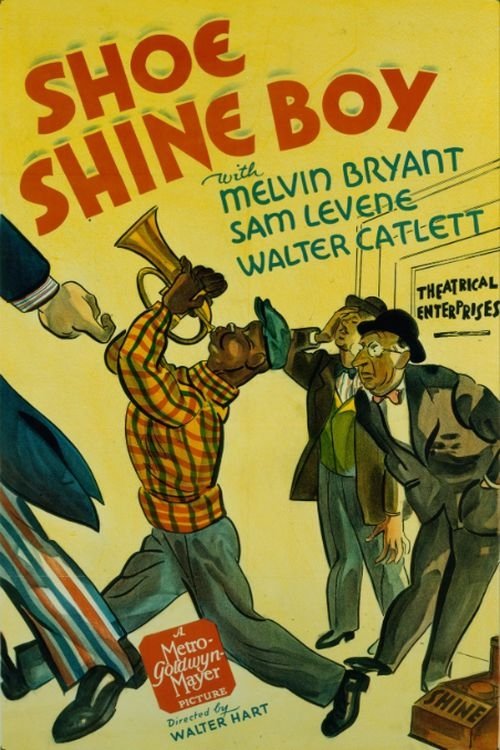
Shoe Shine Boy is a period drama focusing on a young protagonist's pursuit of a personal goal. The narrative is built around a race against time to acquire a secondhand bugle. Because the available information is limited to this central premise, the film lacks verifiable evidence of diverse representation. There are no confirmed details regarding the race, gender roles, or identities of the characters involved. Ultimately, the film adheres to standard, individualistic dramatic conventions of the 1940s without addressing broader social or identity-based themes.
Category Breakdown
The film does not include any LGBTQ+ identities or same-sex relationships. The story revolves around a single musical objective.
The story centers on a teenage boy. There is no information about female characters or their roles in the story.
While the setting and premise might imply certain racial dynamics, the protagonist's race is not explicitly stated. There is no confirmation of diverse casting.
The plot follows a conventional, goal-driven storyline centered on acquiring a bugle. It does not critique Western institutions or social structures.
The character descriptions provide no mention of physical disabilities, neurodivergence, or mental health conditions.
Present on Screen
Limited or Absent
Official Synopsis
A teenaged shoeshine boy urgently tries to raise the remaining amount of money he needs to purchase a secondhand bugle before 6p.m.
1944
1946
1956
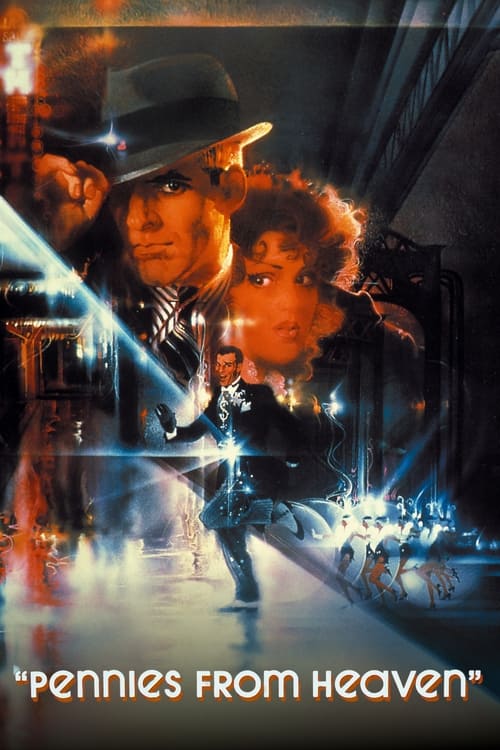
1981
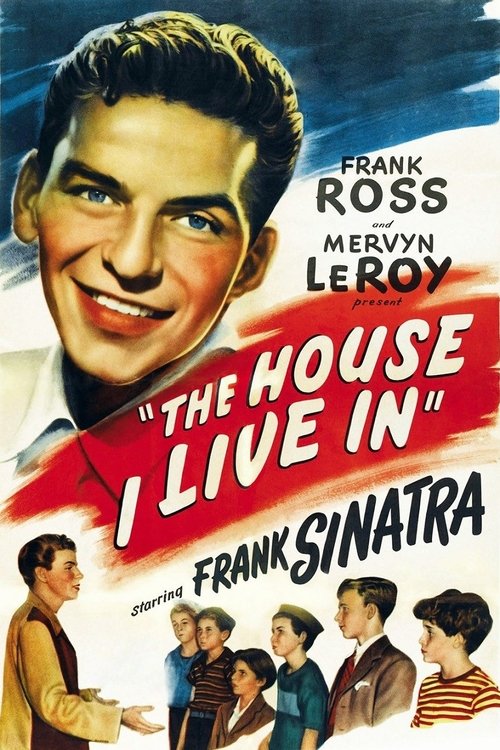
1945
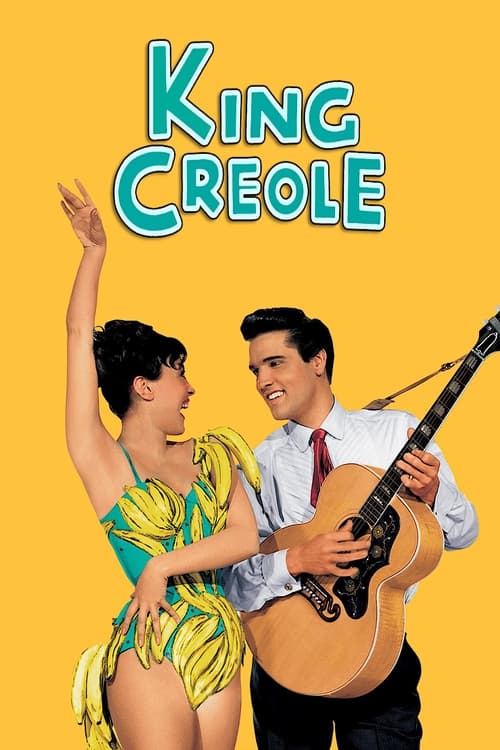
1958
1936
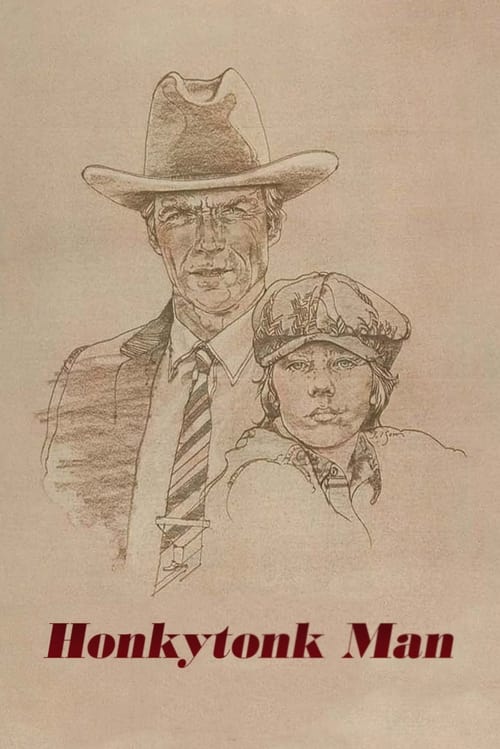
1982
No reviews yet. Be the first to share your thoughts on this movie!
Use the rating form above to leave a star rating and optional review.