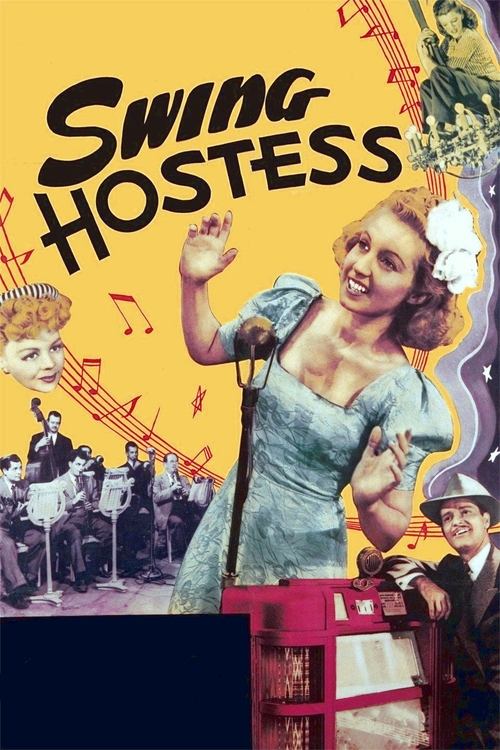
Swing Hostess
1944
No user ratings available yet
Representation score: 1.8 out of 10
Representation Score
Minimal
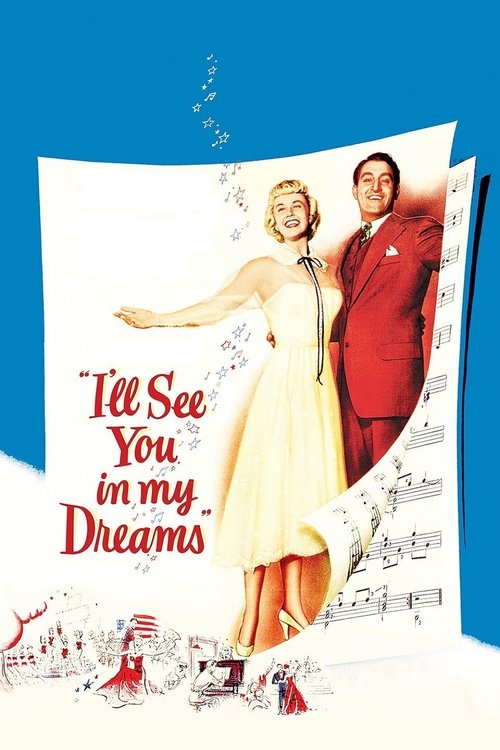
1951
NRDirector
Michael Curtiz
Runtime
110 minutes
Average Rating
No ratings yetNew Showbiz Analysis
I'll See You in My Dreams is a classic mid-century studio production that emphasizes traditional storytelling over social diversity. While it excels in providing a deep character study of a woman reclaiming her emotional ability to act, it remains firmly anchored in the conventions of its time. The film lacks diverse representation, presenting a nearly homogeneous demographic landscape. It operates as a traditional melodrama that upholds established societal norms rather than challenging them. Ultimately, the film's strength lies in its detailed exploration of female subjectivity, despite its lack of meaningful representation for LGBTQ+ individuals, diverse ethnic groups, and people with disabilities.
Category Breakdown
The film follows a strictly heterosexual storyline and does not depict any queer identities or subtext related to non-cisgender identities.
The story offers a nuanced portrayal of female empowerment through the character of Sandor Berecz. She evolves from emotional repression to romantic independence, breaking away from the traditional widow stereotype.
The production reflects the demographic uniformity of mid-century Hollywood, featuring a predominantly white cast without diverse ethnic representation.
The narrative upholds traditional Western social structures and middle-class values, emphasizing moral norms and family stability.
There are no characters with visible or invisible disabilities, and disability is not utilized as a narrative device in this film.
Present on Screen
Limited or Absent
Official Synopsis
Songwriter Gus Kahn fights to make his name, then has to fight again to survive the Depression.
1944

1942

1940

1981
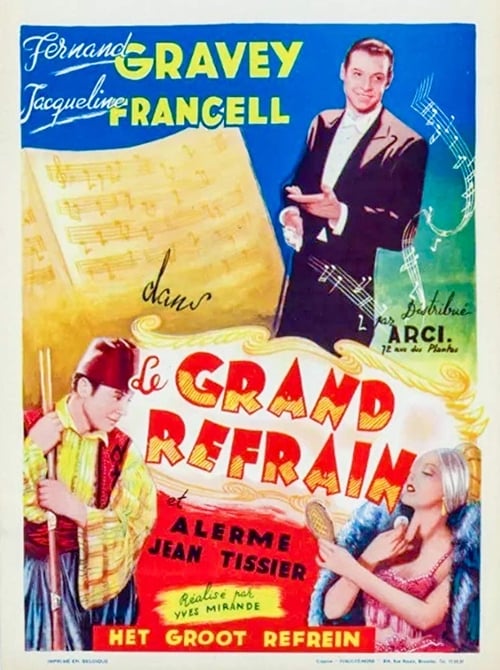
1936
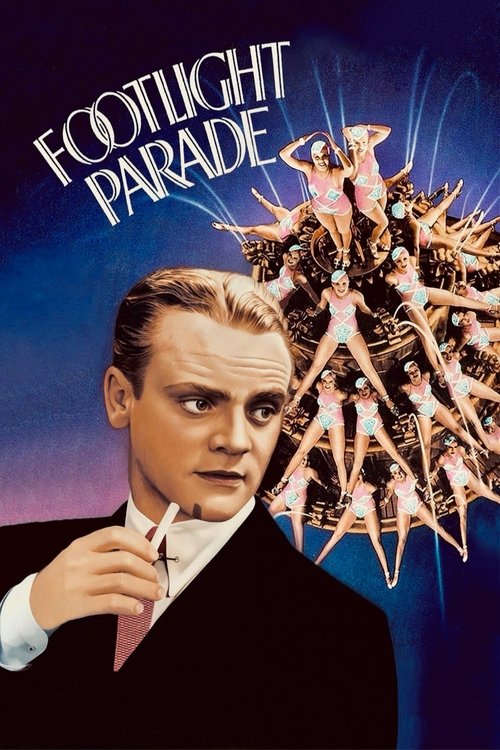
1933

1936

1954
No reviews yet. Be the first to share your thoughts on this movie!
Use the rating form above to leave a star rating and optional review.