
Carnival Rock
1957
No user ratings available yet
Diversity score: 2.5 out of 10
1952
NRDirector
Raoul Walsh
Runtime
80 minutes
Average Rating
No ratings yetSynopsis
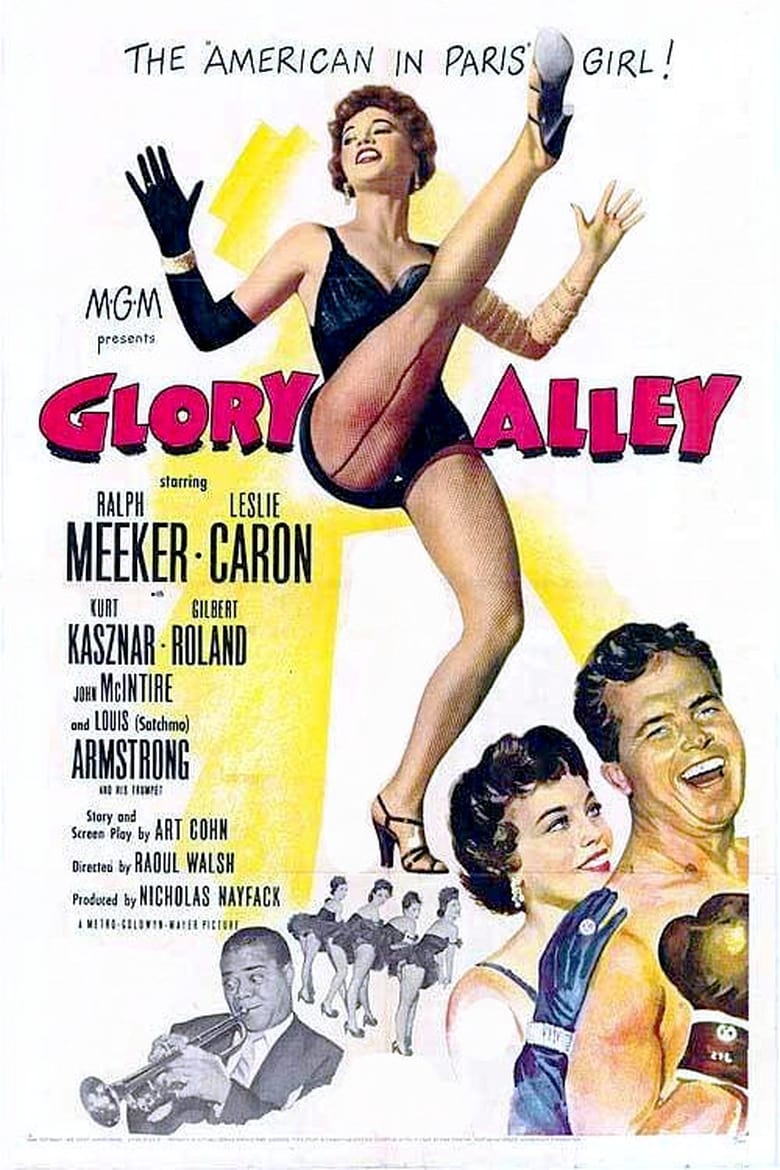
A New Orleans boxer backs out of a bout and leaves his girlfriend for Korea.
Overall Score
Limited
Category Breakdown
LGBTQ+ Representation
The film focuses on a heteronormative romantic dynamic between a boxer and his girlfriend. There is no evidence of non-cisnormative identities or critiques of traditional romantic tropes.
Gender Representation
The narrative centers on the male protagonist's agency and career decisions. The female character serves primarily as an emotional anchor and the recipient of his abandonment.
Racial & Ethnic Diversity
The New Orleans setting suggests potential for racial complexity. However, the film lacks specific details regarding characters of color in positions of agency.
Religious & Cultural Diversity
The story aligns with mid-century individualistic values regarding professional advancement. It follows standard dramatic conventions rather than challenging Western institutions or moral norms.
Disability Representation
There is no information available regarding the depiction of physical or neurodivergent characters in this film.
Strengths
Areas for Improvement
AI Analysis
Glory Alley is a mid-century melodrama that adheres to the traditional narrative structures of the 1950s studio system. The plot prioritizes masculine-coded themes of professional ambition and individualistic pursuit over nuanced social exploration. The film's character dynamics reinforce existing social hierarchies. The male protagonist drives the plot through his choices, while the female lead occupies a more reactive, domestic role within the romantic arc. While the New Orleans setting offers a backdrop for potential cultural depth, the film appears to follow standardized casting and storytelling conventions of its era without subverting traditional power dynamics.
1957
1944

1959

1936

1956

1946

1953
1952

1944

1962

1936

1947
No reviews yet. Be the first to share your thoughts on this movie!
Use the rating form above to leave a star rating and optional review.