The Great Waltz
1938
No user ratings available yet
Diversity score: 1.8 out of 10
1942
NRDirector
Archie Mayo
Runtime
98 minutes
Average Rating
No ratings yetSynopsis
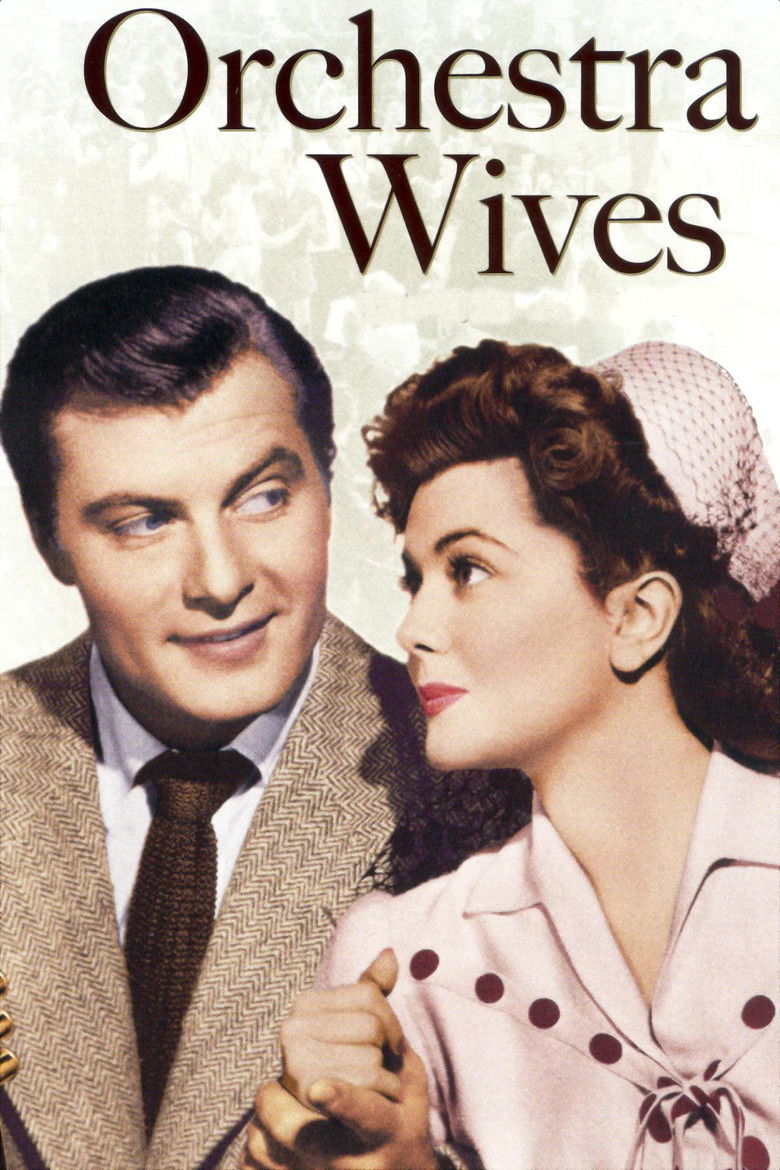
Connie Ward is in seventh heaven when Gene Morrison's band rolls into town. She is swept off her feet by trumpeter Bill Abbot. After marrying him, she joins the band's tour and learns about life as an orchestra wife, weathering the catty attacks of the other band wives.
Overall Score
Minimal
Category Breakdown
LGBTQ+ Representation
The film lacks any presence of non-cisnormative identities. The romantic arc is strictly centered on a traditional heterosexual marriage with no queer subtext.
Gender Representation
Narrative hierarchies favor male professional ambition. Female agency is confined to domestic roles and emotional responses to their husbands' careers within the band.
Racial & Ethnic Diversity
The cast is largely homogeneous, reflecting 1942 production standards. There is no evidence of significant racial blending or non-white protagonists.
Religious & Cultural Diversity
The story promotes traditional Western values regarding marriage and professional success. It seeks to resolve conflict by restoring domestic and social order.
Disability Representation
No visible or invisible disabilities are portrayed. Characters are presented as able-bodied performers without engagement with neurodivergence or physical disability.
Strengths
Areas for Improvement
AI Analysis
Orchestra Wives serves as a quintessential example of Golden Age Hollywood storytelling. It prioritizes the maintenance of established social and gendered hierarchies through a narrative built on the stabilization of the nuclear family. The film adheres strictly to the social mores of the 1940s, focusing on the domestic tensions of the big band era. It lacks intersectional complexity and does not engage in the disruption of conventional tropes. Ultimately, the work functions to celebrate professional merit and marital stability within a traditional Western framework, offering little representation outside of the era's standard casting practices.
1938

1943
1941
1950
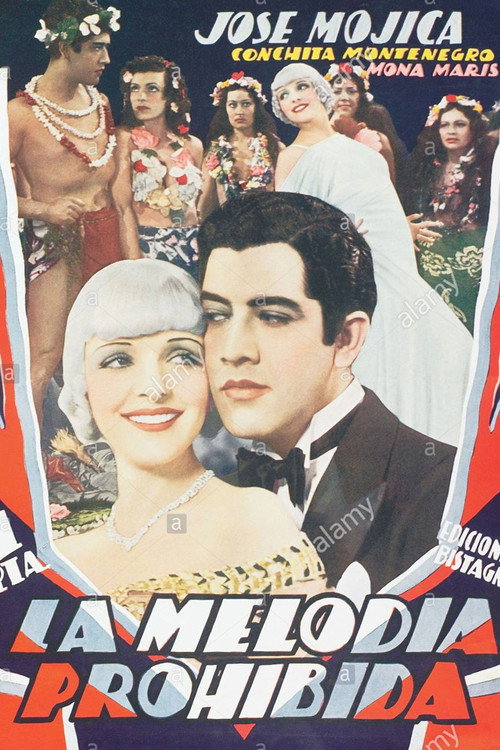
1933
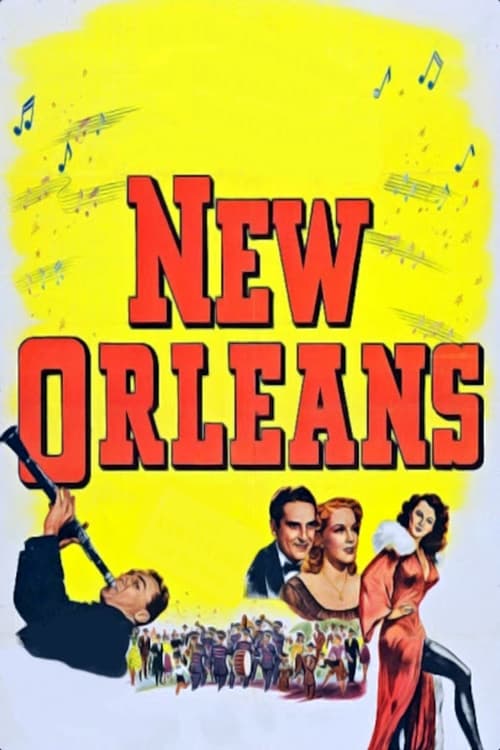
1947
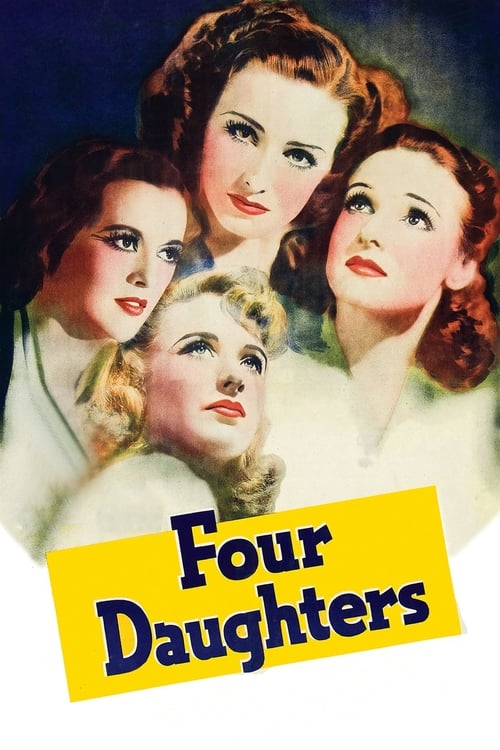
1938
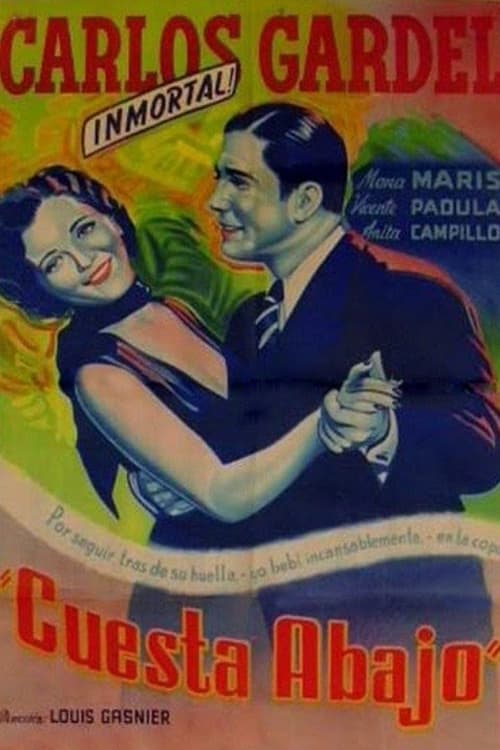
1934

1943
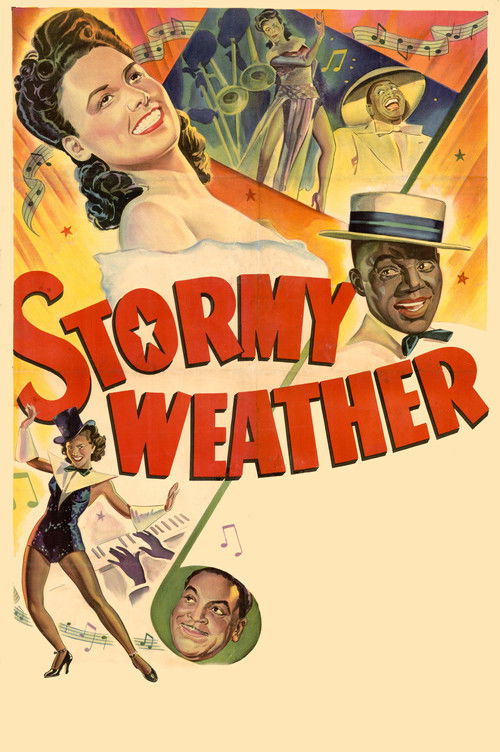
1943
No reviews yet. Be the first to share your thoughts on this movie!
Use the rating form above to leave a star rating and optional review.