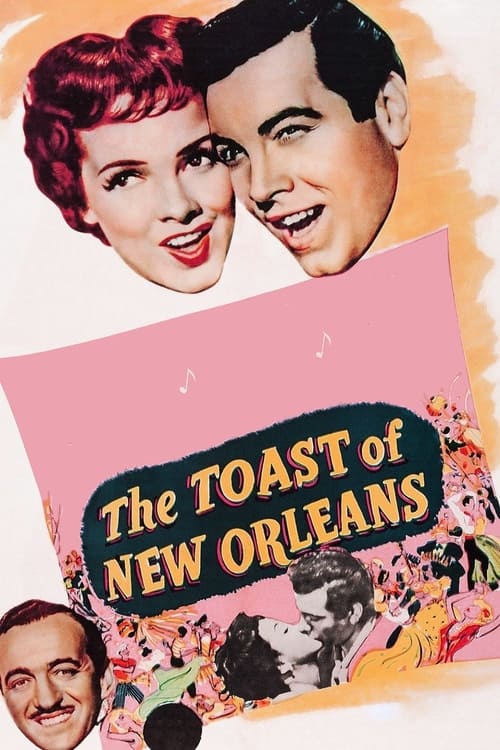
The Toast of New Orleans
1950
No user ratings available yet
Representation score: 2.7 out of 10
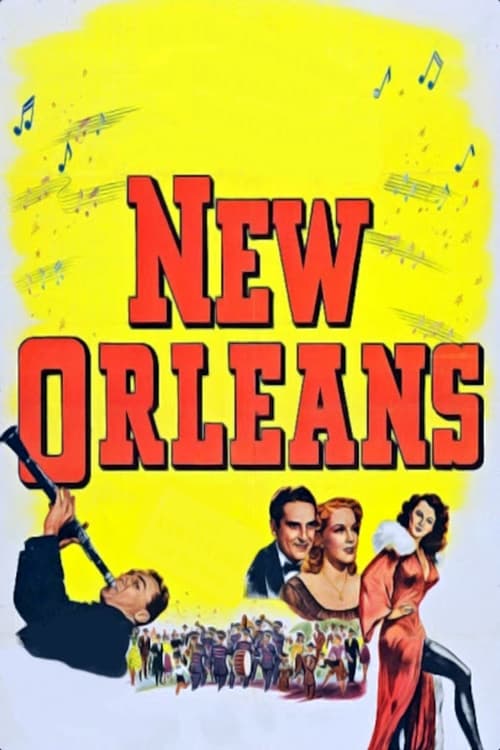
Representation Score
Minimal
1947
NRDirector
Arthur Lubin
Runtime
90 minutes
Average Rating
No ratings yetNew Showbiz Analysis
New Orleans (1947) serves as a musical tribute to jazz legends, offering historical recognition for Black performers. While the inclusion of icons like Louis Armstrong and Billie Holiday adds cultural significance, the film remains a product of its time, adhering to the conservative social structures of the late 1940s. The narrative focuses on musical performances and traditional romantic clichés, prioritizing spectacle over social depth. It functions as a celebration of talent rather than a means to explore identity or power dynamics. Overall, the film upholds conventional gender roles and lacks diverse identity representation, resulting in a traditionalist cinematic experience.
Category Breakdown
The film does not include any representations of LGBTQ+ identities or non-straight relationships. Romantic storylines are limited to traditional heterosexual pairings typical of musical comedies from that era.
Women in the film are mainly characterized by their singing abilities and romantic interests. The movie upholds traditional gender roles from the mid-20th century without challenging them.
The film highlights legendary Black musicians such as Louis Armstrong and Billie Holiday, contributing to cultural visibility. However, these performers are often showcased within a hierarchical framework that emphasizes spectacle over deeper narratives.
The storyline is set within a traditional Western framework centered around musical passion. It avoids systemic critiques and instead celebrates the professional success and prestige of the performers.
There is no depiction of physical, sensory, or neurodivergent disabilities among the main characters or the supporting cast.
Present on Screen
Limited or Absent
Official Synopsis
A gambling hall owner relocates from New Orleans to Chicago and entertains his patrons with hot jazz by Louis Armstrong, Billie Holiday, Woody Herman, and others.
1950

1954
1929
1981
1950

1977
1942
1951
No reviews yet. Be the first to share your thoughts on this movie!
Use the rating form above to leave a star rating and optional review.