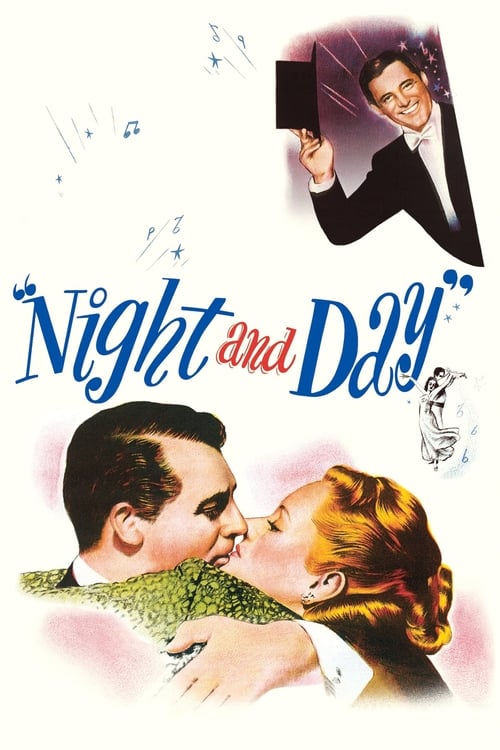
Night and Day
1946
No user ratings available yet
Representation score: 1.6 out of 10
Representation Score
Minimal
1949
NRDirector
Henry Levin
Runtime
96 minutes
Average Rating
No ratings yetNew Showbiz Analysis
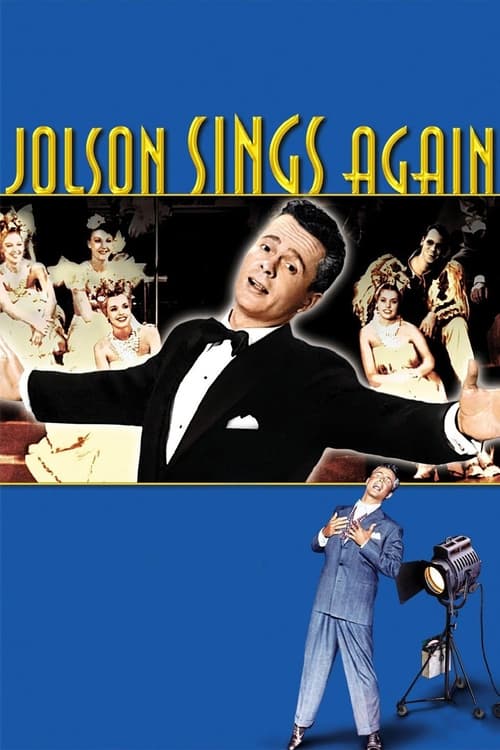
Jolson Sings Again is a typical product of the post-war Hollywood studio system. It serves as a standard biographical vehicle celebrating individual perseverance and traditional social structures. The film reinforces the status quo of its era. It relies on conventional narrative arcs that prioritize the protagonist's journey through fame and war over any meaningful social disruption. Ultimately, the work lacks depth in reflecting multiple aspects of identity. It maintains mid-century archetypes regarding gender and race, favoring established theatrical norms and traditional Western values.
Category Breakdown
The film strictly adheres to the assumption that everyone is straight or cisgender, focusing on marital issues and a romantic relationship with a female nurse. There is no exploration of non-traditional sexual or gender identities.
The narrative centers on the male lead's triumphs and crises. Female characters, such as Ellen Clark, are relegated to supportive or caretaking roles that reinforce mid-century gender stereotypes.
The film uses blackface as a central element of the protagonist's stage persona, relying on racial caricatures rather than nuanced portrayals of people of color.
The story celebrates Western values, including patriotism and the show business dream, following a classic capitalist success narrative without critiquing existing social or economic orders.
There are no prominent depictions of physical or neurodivergent disabilities that drive the narrative or provide real power to the characters.
Present on Screen
Limited or Absent
Official Synopsis
In this sequel to The Jolson Story, we pick up the singer's career just as he has returned to the stage after a premature retirement. But his wife has left him and the appeal of the spotlight isn't what it used to be. This time Jolson trades in the stage for life in the fast lane: women, horses, travel. It takes the death of Moma Yoelson and World War II to bring Jolson back to earth - and to the stage. Once again teamed with manager Steve Martin, Jolson travels the world entertaining troops everywhere from Alaska to Africa. When he finally collapses from exhaustion it takes young, pretty nurse Ellen Clark to show him there's more to life than "just rushing around".
1946

1942

1936

1954
1952

1954
1946
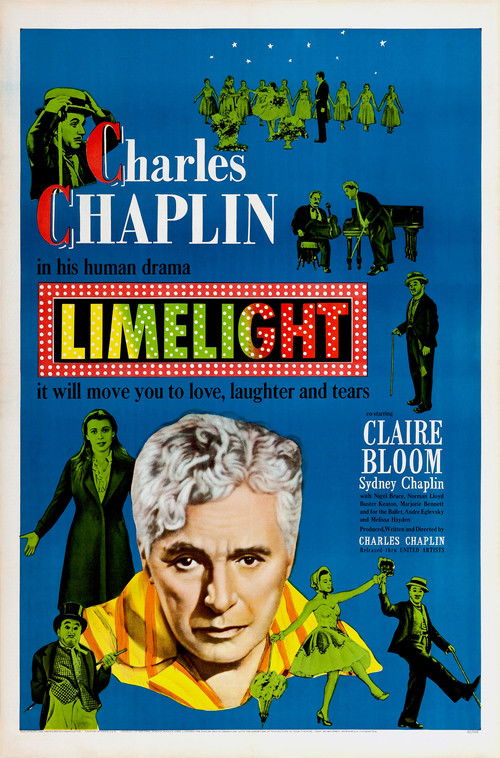
1952
No reviews yet. Be the first to share your thoughts on this movie!
Use the rating form above to leave a star rating and optional review.