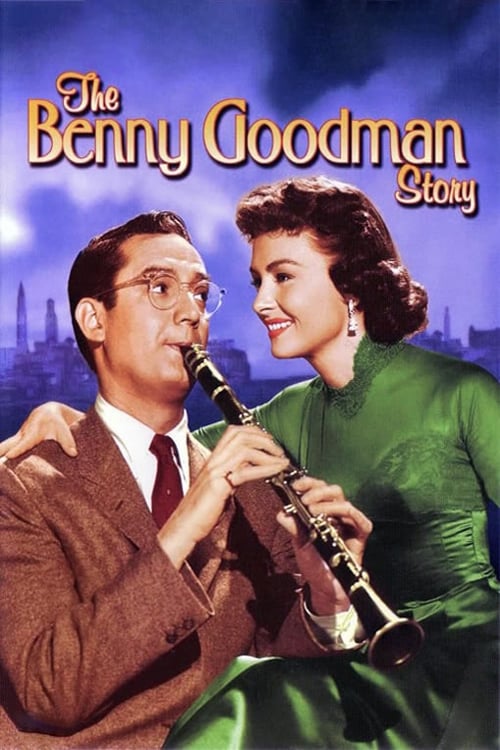
The Benny Goodman Story
1956
No user ratings available yet
Representation score: 1.6 out of 10
Representation Score
Good
1945
NRDirector
Mervyn LeRoy
Runtime
11 minutes
Average Rating
No ratings yetNew Showbiz Analysis
The film distinguishes itself through its sociological critique, moving beyond mid-century moral binaries to explore systemic failures. By focusing on environmental determinism, it questions the notion that delinquency is an inherent flaw. While the film lacks LGBTQ+ and disability representation, it offers a nuanced urban landscape. The inclusion of diverse ethnic backgrounds provides a broader view of the American experience. Ultimately, the film's strength lies in its critique of established social hierarchies and its portrayal of a capable female professional in a male-dominated field.
Category Breakdown
The film does not include any LGBTQ+ characters or non-binary gender identities. It adheres strictly to the heterosexual and cisgender norms of the 1940s.
A female social worker serves as the main character, demonstrating strong intellectual abilities and challenging the passive female stereotypes of the time. She actively critiques male-dominated structures.
The cast includes a variety of ethnicities reflecting the diverse urban centers of the 1940s. It avoids isolating characters based on race by incorporating different socioeconomic backgrounds.
The story critiques traditional Western institutions and economic systems, viewing delinquency as a symptom of systemic issues rather than individual moral failure. It highlights the impact of societal neglect.
There is no intentional focus on visible or invisible disabilities. The narrative emphasizes socioeconomic factors and psychological responses to poverty over disability-specific stories.
Present on Screen
Limited or Absent
Official Synopsis
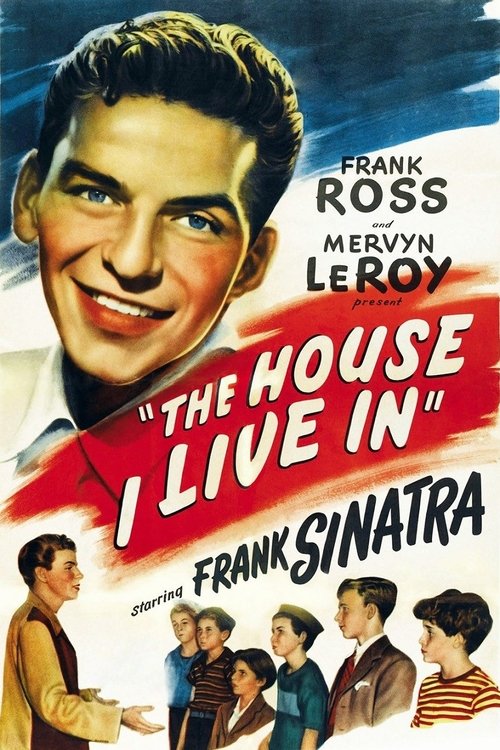
Frank Sinatra teaches a group of young boys a lesson in religious tolerance.
1956
1944
1953

1986
1948

1958
1965

1981
No reviews yet. Be the first to share your thoughts on this movie!
Use the rating form above to leave a star rating and optional review.