Ladies at Play
1926
No user ratings available yet
Representation score: 2.8 out of 10
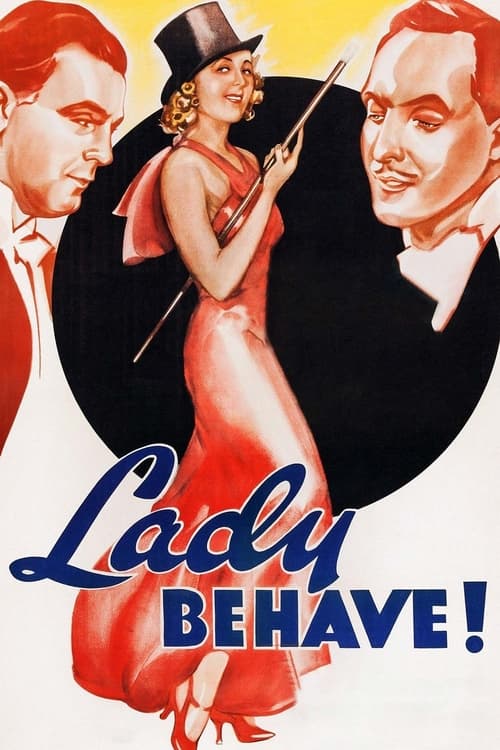
Representation Score
Minimal
1937
ApprovedDirector
Lloyd Corrigan
Runtime
70 minutes
Average Rating
No ratings yetNew Showbiz Analysis
Lady Behave! is a quintessential 1930s screwball comedy that leans heavily into the era's standard social hierarchies. The plot functions through mistaken identity and transactional maneuvers, centering on class and marriage rather than diverse perspectives. The film adheres to traditional gendered clichés, where female characters drive the conflict through perceived irresponsibility. This focus on domestic and legal complications keeps the narrative within a very narrow, conventional social scope. Ultimately, the work reflects the demographic norms of Golden Age Hollywood. It prioritizes situational irony and established social structures over any meaningful representation of underrepresented identities or diverse cultural experiences.
Category Breakdown
The film does not include any characters with LGBTQ+ identities or same-sex relationships. The central plot revolves around a traditional marriage and annulment scenario.
The story relies on 1930s gender archetypes, emphasizing female irresponsibility and the burden placed on the protagonist to resolve social issues. While women navigate the legal conflict, the framework remains conventional.
Despite the Mardi Gras setting implying a specific cultural backdrop, the narrative focuses on a homogeneous social circle. There is no evidence of diverse or multi-layered casting.
The film explores social instability through archetypes like the 'gigolo' and marital subversion. It reinforces established Western legal and financial structures rather than challenging them.
There is no mention of physical disabilities, neurodivergence, or mental health conditions within the narrative.
Present on Screen
Limited or Absent
Official Synopsis
It's bad enough that Clarice Kendall Andrews, Paula's irresponsible sister, comes home from celebrating Mardi Gras and drunkenly mentions that she got married during the festivities. What's worse is the fact that Paula knows that Clarice is still married to an equally irresponsible gigolo. Paula learns that the man Clarice married, Stephen Cormack, is on his yacht and his lawyer, thinking that Paula is Clarice, offers the older woman $5000 to annul the marriage.
1926
1938

1937
1942
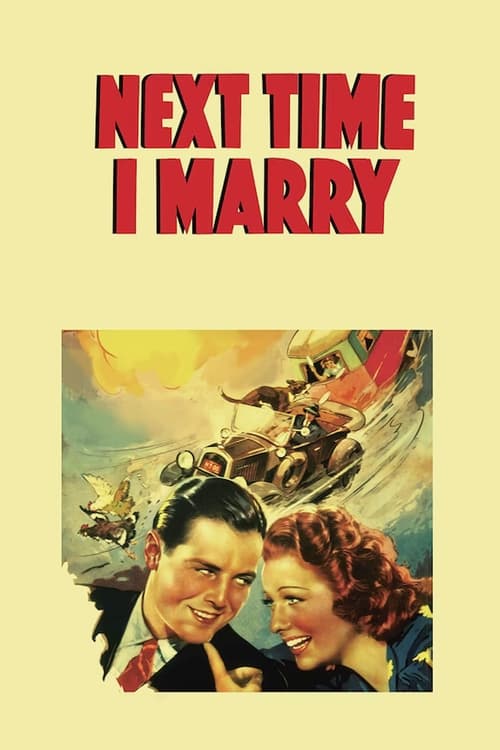
1938
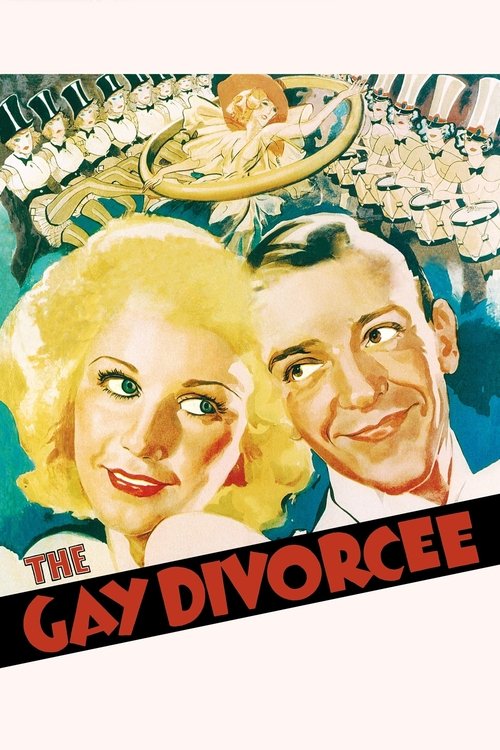
1934
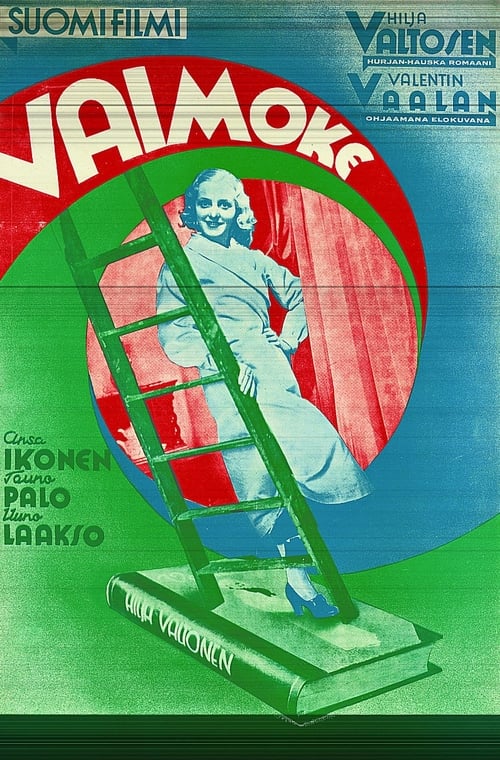
1936
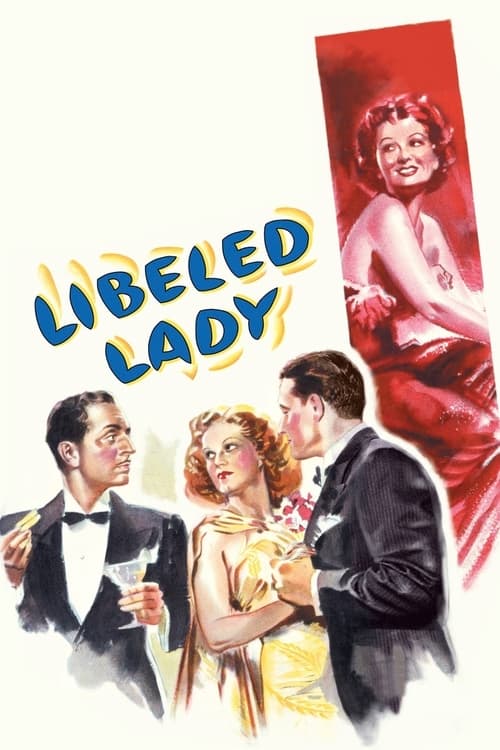
1936
No reviews yet. Be the first to share your thoughts on this movie!
Use the rating form above to leave a star rating and optional review.