
Waikiki Wedding
1937
No user ratings available yet
Diversity score: 2.1 out of 10
1936
ApprovedDirector
Richard Wallace
Runtime
81 minutes
Average Rating
No ratings yetSynopsis
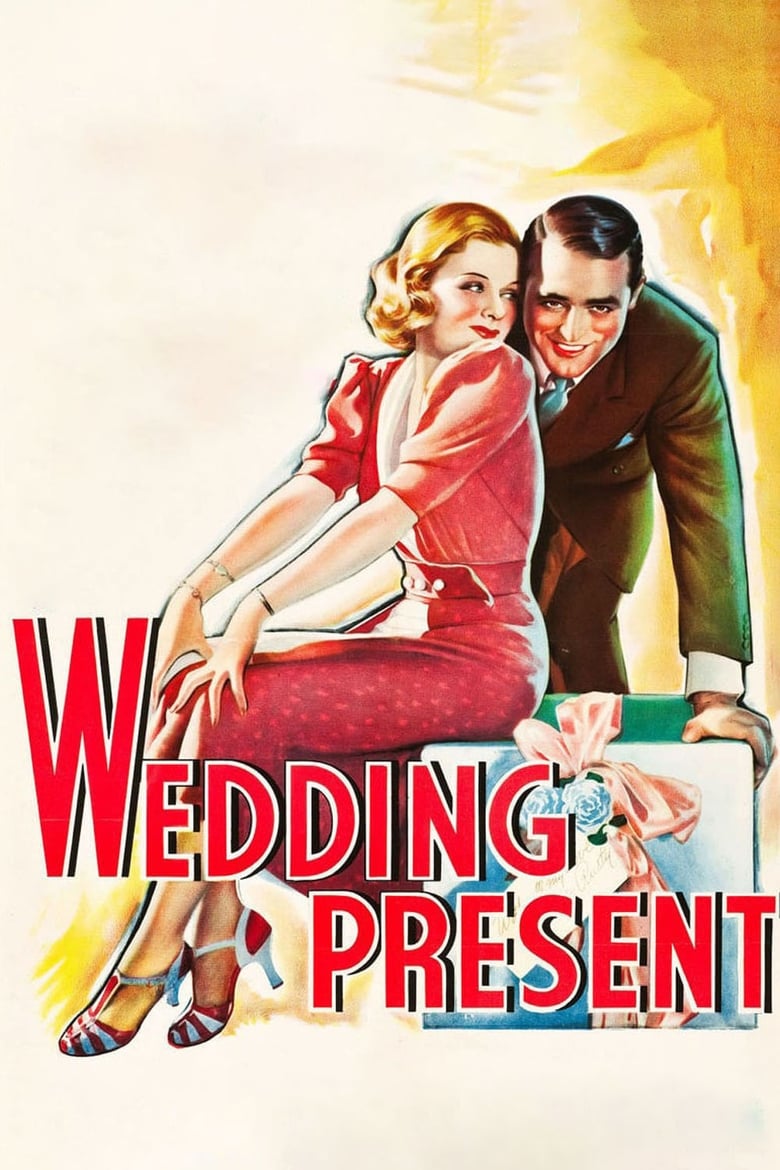
Charlie Mason and Rusty Fleming are star reporters on a Chicago tabloid who are romantically involved as well. Although skilled in ferreting out great stories, they often behave in an unprofessional and immature manner. After their shenanigans cause their frustrated city editor to resign, the publisher promotes Charlie to the job, a decision based on the premise that only a slacker would be able crack down on other shirkers and underachievers. His pomposity soon alienates most of his co-workers and causes Rusty to move to New York. Charlie resigns and along with gangster friend Smiles Benson tries to win Rusty back before she marries a stuffy society author.
Overall Score
Minimal
Category Breakdown
LGBTQ+ Representation
The film adheres to the heteronormative frameworks of 1930s studio cinema. There are no same-sex romantic dynamics or non-cisnormative gender identities present.
Gender Representation
Rusty Fleming shows professional agency as a star reporter, but the plot prioritizes romantic reconciliation. The narrative follows traditional 'battle of the sexes' tropes and gender hierarchies.
Racial & Ethnic Diversity
The casting follows homogeneous Hollywood conventions of the mid-1930s. The story focuses on a white, urban professional class in Chicago with no significant ethnic diversity.
Religious & Cultural Diversity
The film presents a conventional social reality centered on professional status and romantic stability. It does not engage in critiques of Western institutions or religious morality.
Disability Representation
There are no visible or invisible disabilities portrayed. Characters are depicted through able-bodied comedic archetypes typical of the screwball genre.
Strengths
Areas for Improvement
AI Analysis
Wedding Present is a quintessential 1930s romantic comedy that reinforces rather than disrupts the social hierarchies of its era. The narrative focuses on the comedic friction of romantic pursuit within a highly homogeneous social environment. The film lacks intersectional complexity, relying on standard genre tropes. It presents a singular, Anglo-centric social norm that reflects the demographic and moral paradigms of the mid-1930s studio system.
1937
1937
1936

1936
1938
1937
1931
1932
1936
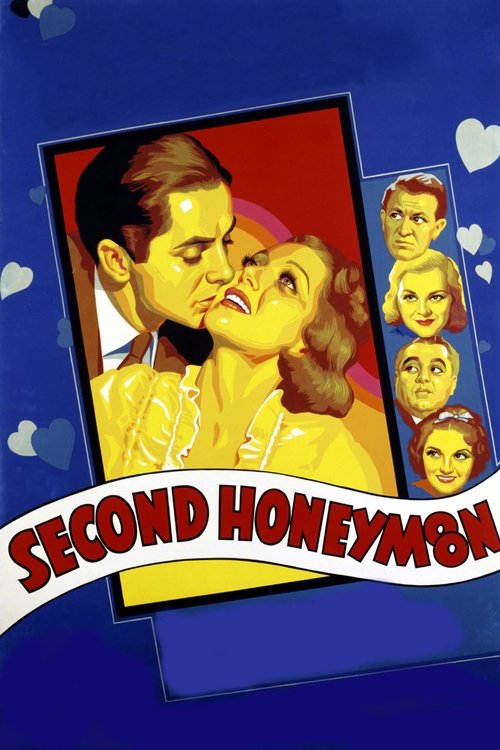
1937
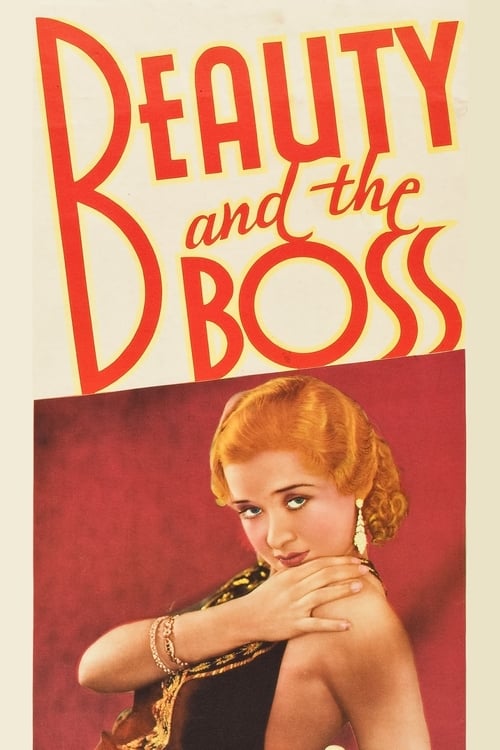
1932
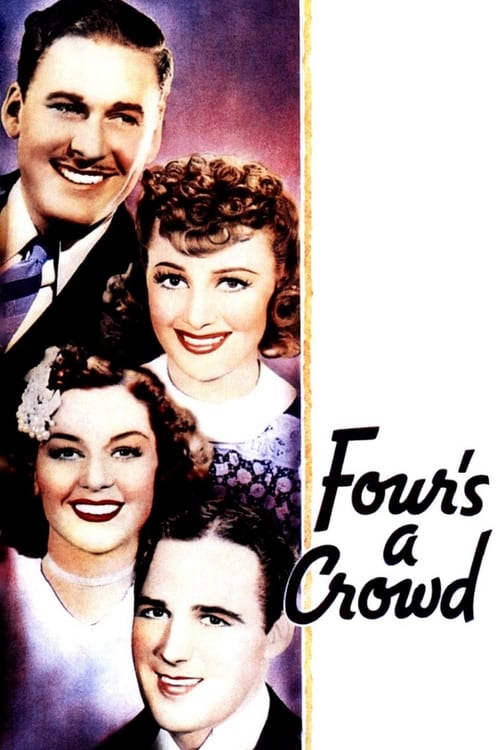
1938
No reviews yet. Be the first to share your thoughts on this movie!
Use the rating form above to leave a star rating and optional review.