The Sport Parade
1932
No user ratings available yet
Representation score: 0.6 out of 10
Representation Score
Minimal
1926
NRDirector
Jack Conway
Runtime
85 minutes
Average Rating
No ratings yetNew Showbiz Analysis
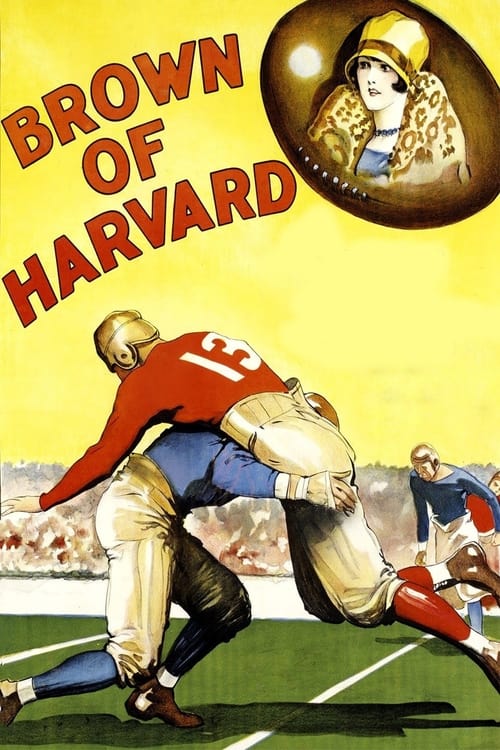
Brown of Harvard is a quintessential product of its time, serving as a traditional collegiate drama centered on male rivalry and romantic pursuits. The narrative adheres closely to the social and gender norms of the 1920s. The film offers a homogeneous view of university life, lacking diversity in racial backgrounds or representation of characters with disabilities. It reinforces the status quo of the Anglo-Saxon social elite without challenging the era's social norms. Ultimately, the work provides a narrow, conventional lens on collegiate culture, reflecting the social expectations of the early 20th century.
Category Breakdown
The film follows a traditional heterosexual relationship model. There are no characters with non-binary genders or same-sex relationships.
The plot revolves around male competition in sports and social activities. Mary Abbott is portrayed as a romantic prize, reinforcing traditional gender roles.
The film depicts a uniform social setting dominated by Anglo-Saxon students, typical of 1920s college dramas.
The narrative highlights traditional Western institutions, portraying collegiate social status and athletic success as stabilizing factors without questioning social hierarchies.
There are no characters with physical, sensory, or neurodevelopmental disabilities. Characters are depicted as idealized representations of collegiate life.
Present on Screen
Limited or Absent
Official Synopsis
Tom Brown shows up at Harvard, confident and a bit arrogant. He becomes a rival of Bob McAndrew, not only in football and rowing crew, but also for the affections of Mary Abbott, a professor's daughter.
1932
1927
1938
1932
1927
1931
1936
1925
No reviews yet. Be the first to share your thoughts on this movie!
Use the rating form above to leave a star rating and optional review.