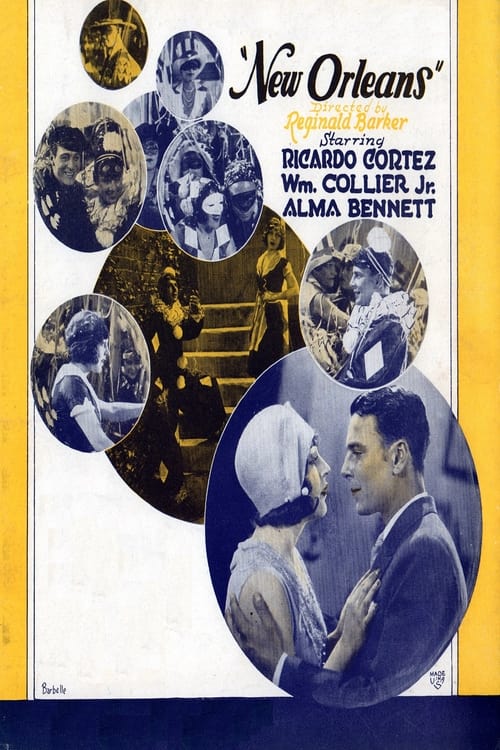
New Orleans
1929
No user ratings available yet
Diversity score: 1.4 out of 10

1938
Director
David Butler
Runtime
96 minutes
Average Rating
No ratings yetSynopsis
Young lovers Jack and Sally are from families that compete to send horses to the 1938 Kentucky Derby, but during the Civil War, her family sided with the South while his sided with the North--and her Uncle Peter will have nothing to do with Jack's family.
Overall Score
Minimal
Category Breakdown
LGBTQ+ Representation
The film centers on a traditional romantic arc between Jack and Sally. It operates within the heteronormative constraints of 1930s cinema without exploring non-cisnormative identities.
Gender Representation
The plot is driven by masculine pursuits of equestrian excellence and family legacy. While Sally is central to the romance, the narrative momentum favors male-driven competition.
Racial & Ethnic Diversity
The story focuses on white, Anglo-Saxon lineages tied to the Kentucky Derby and Civil War history. It reflects the homogeneous social structures of the era.
Religious & Cultural Diversity
Conflict is framed through regional loyalty and ancestral grudges from the Civil War. The film emphasizes the preservation of traditional social structures and family honor.
Disability Representation
There is no mention of characters navigating physical or neurodivergent disabilities within the narrative.
Strengths
Areas for Improvement
AI Analysis
Kentucky is a period-typical drama that reinforces the social hierarchies and conventional romantic structures of the 1930s. The narrative relies heavily on traditionalist themes, such as family honor and regional legacies, to drive its central conflict. While the film provides a classic romantic backdrop, it lacks the depth to challenge the era's established norms. The focus remains on established American sporting institutions and historical grievances rather than diverse perspectives. Ultimately, the film serves as a reflection of its time, prioritizing homogeneous social frameworks and traditional gender roles over inclusive storytelling.
1929
1961
1936
1929
1947
1931

1952
1941

1919
1941
1944
1958
No reviews yet. Be the first to share your thoughts on this movie!
Use the rating form above to leave a star rating and optional review.