The Shining Hour
1938
No user ratings available yet
Diversity score: 3.1 out of 10
1934
PassedDirector
Wanda Tuchock, George Nichols Jr.
Runtime
74 minutes
Average Rating
No ratings yetSynopsis
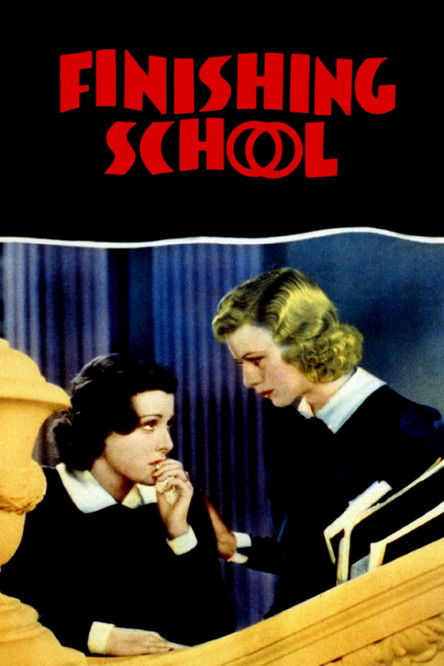
Virginia, who studies at a boarding school for upper-class girls, falls in love with a medical intern who works as a waiter for a living. Both the director of the school and her mother oppose such a relationship.
Overall Score
Minimal
Category Breakdown
LGBTQ+ Representation
The film follows a conventional heterosexual romantic trajectory. There is no evidence of same-sex intimacy or non-cisnormative identities.
Gender Representation
The single-sex boarding school setting provides a platform for female social dynamics. While women navigate complex hierarchies, their agency remains tethered to traditional 1930s romantic tropes.
Racial & Ethnic Diversity
The narrative focuses on the socioeconomic distinctions of the white upper class. The cast reflects the homogeneous social demographics typical of 1934.
Religious & Cultural Diversity
Conflict arises from the friction between individual desire and institutional authority. The film treats these class-based struggles as personal romantic hurdles rather than systemic critiques.
Disability Representation
There is no evidence of characters with visible or invisible disabilities. No such characters are used as narrative devices.
Strengths
Areas for Improvement
AI Analysis
Finishing School is a period-specific drama centered on class-based romance and adolescent rebellion. It operates strictly within the established social and cultural frameworks of the 1930s, focusing on the tension between personal agency and institutional oversight. The film lacks intersectional identities, instead utilizing standard coming-of-age tropes. The narrative does not seek to disrupt traditional social hierarchies or deconstruct systemic power dynamics, remaining a study of socioeconomic friction.
1938
1932
1944
1926
1932

1933

1943
1925

1924
1932
1923

1935
No reviews yet. Be the first to share your thoughts on this movie!
Use the rating form above to leave a star rating and optional review.