
The Office Wife
1930
No user ratings available yet
Diversity score: 2.2 out of 10
1931
PassedDirector
Melville W. Brown
Runtime
82 minutes
Average Rating
No ratings yetSynopsis
Mary Linden is the secretary who is the unheralded power behind successful executive James Duneen. He takes her for granted until rival Wales tries to take her away from him.
Overall Score
Limited
Category Breakdown
LGBTQ+ Representation
The story focuses entirely on a heterosexual romantic rivalry. There are no depictions of non-cisnormative identities or narratives that challenge heteronormative structures.
Gender Representation
Mary Linden is portrayed as a vital but secondary force whose value is tied to supporting a male executive. Her agency is framed through service rather than independent autonomy.
Racial & Ethnic Diversity
The narrative appears centered on a homogeneous social stratum. There is no indication of racial diversity or the subversion of Anglo-Saxon norms.
Religious & Cultural Diversity
The film upholds traditional Western institutional values and corporate hierarchies. It centers on professional stability and interpersonal loyalty rather than deconstructing social norms.
Disability Representation
The film provides no information regarding the inclusion or portrayal of characters with physical or neurodivergent disabilities.
Strengths
Areas for Improvement
AI Analysis
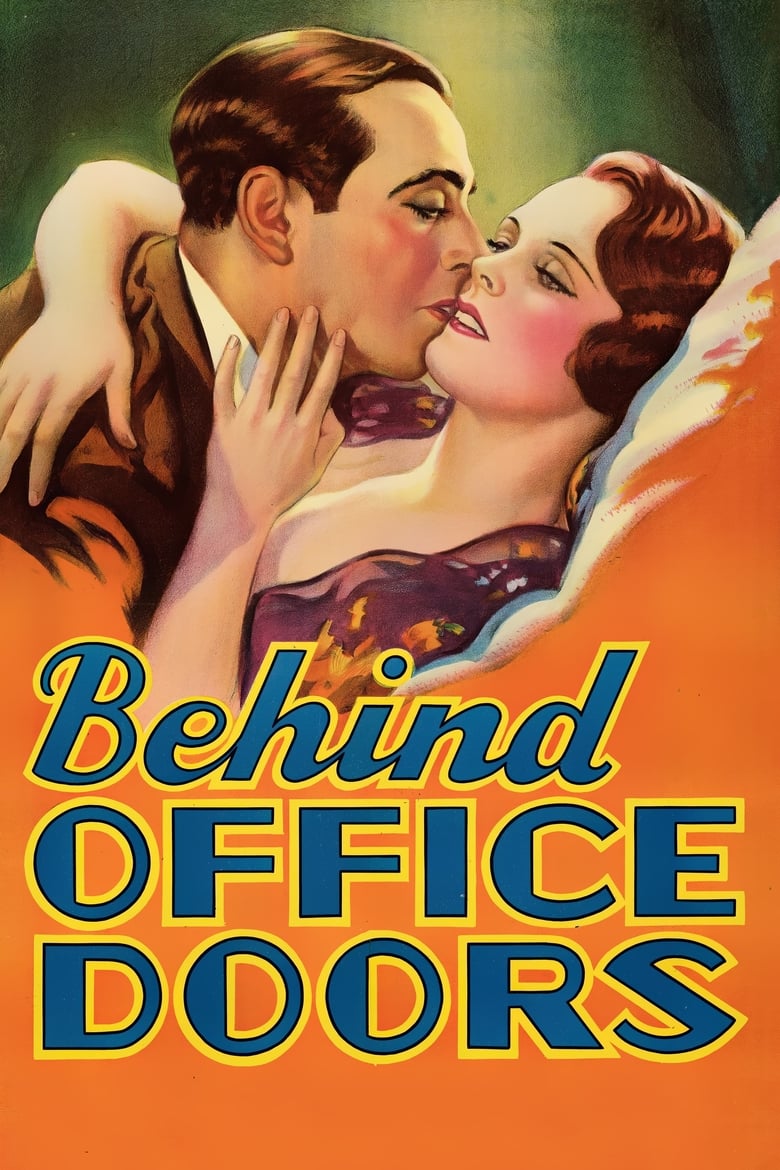
Behind Office Doors is a conventional 1930s workplace drama that reinforces the social and gender hierarchies of its era. The plot relies on standard romantic tropes and a rigid corporate structure. The narrative centers on a male executive and a rivalry for a female secretary, offering little room for diverse perspectives. It functions primarily as a study of traditional power dynamics within a professional setting. Ultimately, the film lacks meaningful representation, prioritizing established status quos over any subversion of identity or social norms.
1930
1931
1936
1936

1932
1934

1933

1934
1930
1938

1931
1921
No reviews yet. Be the first to share your thoughts on this movie!
Use the rating form above to leave a star rating and optional review.