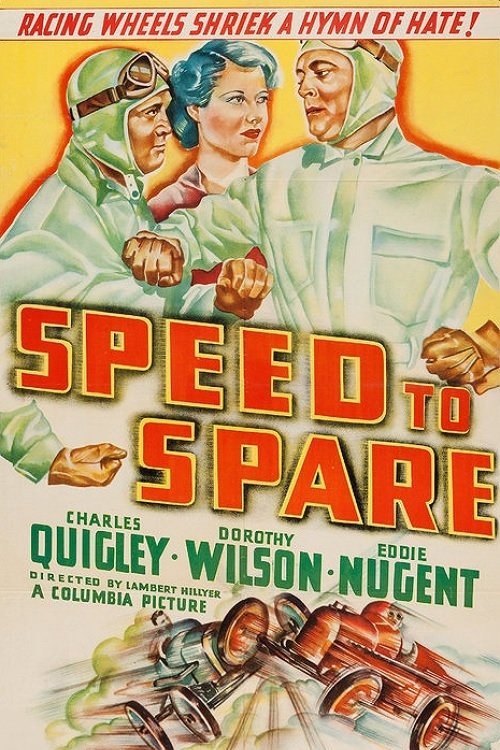
Speed to Spare
1937
No user ratings available yet
Diversity score: 2.4 out of 10
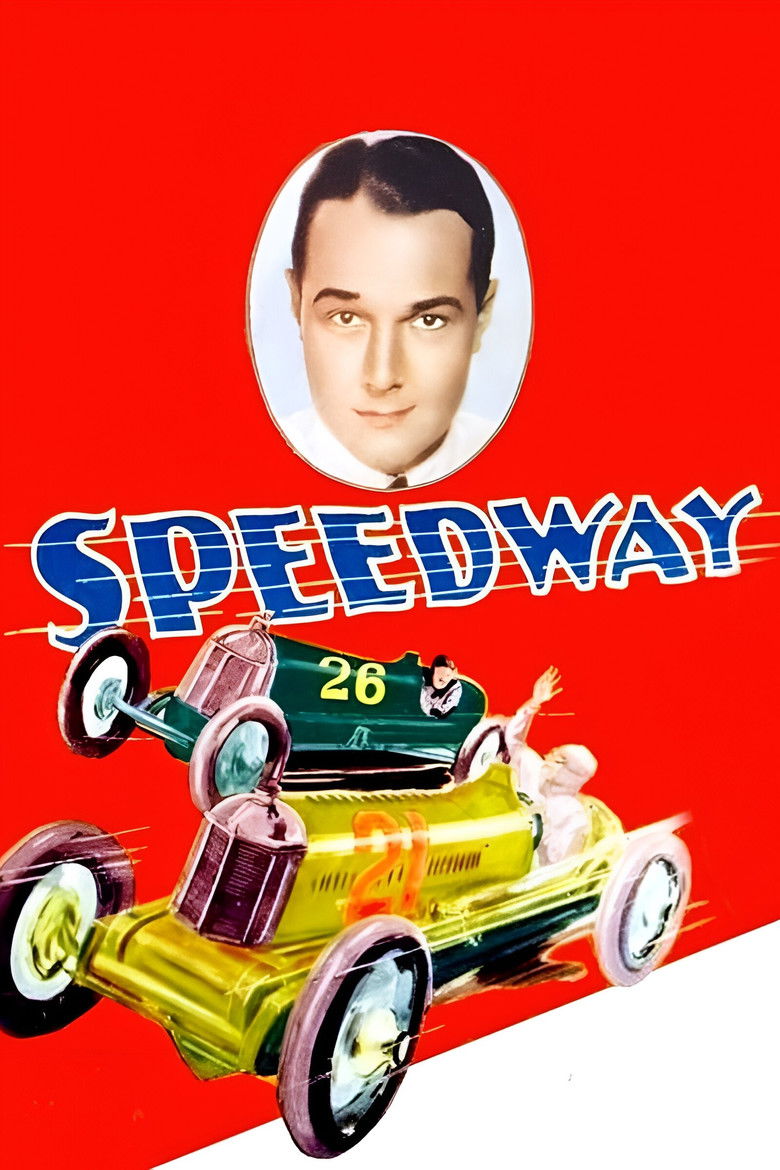
1929
PassedDirector
Harry Beaumont
Runtime
76 minutes
Average Rating
No ratings yetSynopsis
Bill Whipple is a happy-go-lucky mechanic for MacDonald who thinks that he is the worlds greatest driver and lover. Mac has treated Bill like a son since he took him in. One day at the track, Bill sees Pat Bannon, and tries his best to impress her, but to no avail. On his way to catch a flight, he tricks Pat into taking him to the airport and she gets even by taking him up in a plane. He hates to fly, but will not show her that he is afraid and when the plane breaks up, he is a hero for rescuing her. This gets him publicity and Renny offers him his car to drive in the Indianapolis 500. Bill breaks with Mac to drive the car and puts it on the pole for the race. Then Renny double crosses Bill and plans to drive the car himself since Bill has tuned it so well.
Overall Score
Minimal
Category Breakdown
LGBTQ+ Representation
The film follows a traditional romantic trajectory centered on a heterosexual pairing. There is no evidence of queer subtext or non-cisnormative identities within the narrative.
Gender Representation
Pat Bannon displays some agency by outmaneuvering the protagonist during a flight sequence. However, the story ultimately centers on male heroism and professional triumph.
Racial & Ethnic Diversity
The production reflects the homogeneous social structures of 1929. The cast and setting appear to reinforce the era's standard of white, Western protagonists as the default.
Religious & Cultural Diversity
The narrative operates within a framework of traditional Western values and meritocratic ideals. It focuses on individual professional competition and romantic achievement.
Disability Representation
The plot focuses on physical prowess and mechanical skill. There is no mention of characters with visible or invisible disabilities or neurodivergence.
Strengths
Areas for Improvement
AI Analysis
Speedway is a product of the late 1920s studio system, adhering strictly to the conventional social hierarchies of its time. The narrative is built around a standard hero's journey, prioritizing male professional success and heteronormative romance. The film lacks any meaningful representation of marginalized groups, including racial minorities, LGBTQ+ individuals, or people with disabilities. It functions as a period-typical drama that reinforces the status quo rather than challenging it. While the female lead shows brief moments of spirited agency, the structural weight of the film remains firmly on the male protagonist's development and public recognition.
1937
1932
1941
1929
1932
1926

1936
1926

1984
1928
1925
1978
No reviews yet. Be the first to share your thoughts on this movie!
Use the rating form above to leave a star rating and optional review.