
American Dream
1990
No user ratings available yet
Representation score: 3.4 out of 10
Representation Score
Good
1976
PGDirector
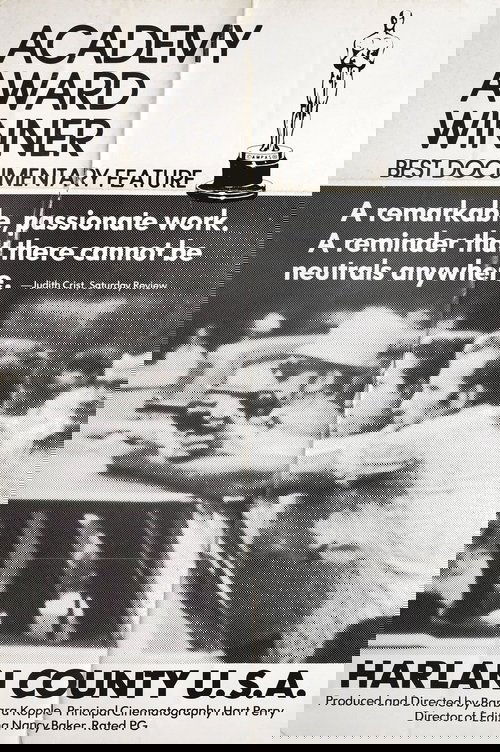
Barbara Kopple
Runtime
104 minutes
Average Rating
No ratings yetNew Showbiz Analysis
Barbara Kopple’s documentary stands out by highlighting the power of women and the collective strength of the working class. It offers a sophisticated critique of corporate exploitation and systemic coercion. However, the film’s demographic focus is narrow, showing a lack of racial and LGBTQ+ diversity. Despite this, it remains a landmark of social realism that deeply explores class-based struggles and resistance.
Category Breakdown
The film does not include explicit LGBTQ+ identities or stories focused on non-straight relationships. It centers on traditional 1970s rural Appalachian culture and the nuclear family.
Women move from being passive observers to active leaders in political resistance. They manage households and organize communities during the strike.
The story focuses almost entirely on the white Appalachian working class. It does not show diverse racial backgrounds among the main characters involved in the strike.
The film critically examines Western economic systems and the oppressive company town model. It emphasizes collective solidarity over individual achievement.
Disability is shown mainly through the physical risks of mining work. The film lacks characters with specific roles or neurodivergent representation.
Present on Screen
Limited or Absent
Official Synopsis
A heartbreaking record of the thirteen-month struggle between a community fighting to survive and a corporation dedicated to the bottom line.
1990

1969

2016
1987
1985
1954
1970

2011
No reviews yet. Be the first to share your thoughts on this movie!
Use the rating form above to leave a star rating and optional review.