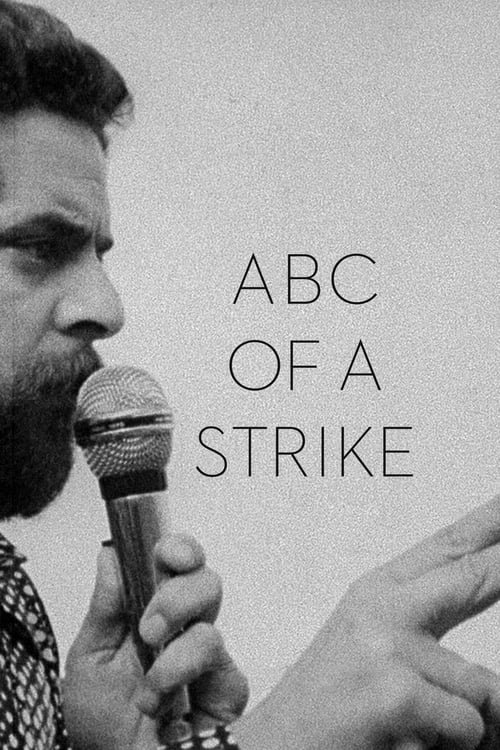
ABC of a Strike
1990
No user ratings available yet
Representation score: 3.7 out of 10
Representation Score
Good
2004
Director
Eduardo Coutinho
Runtime
85 minutes
Average Rating
No ratings yetNew Showbiz Analysis
Eduardo Coutinho’s documentary serves as a vital piece of social documentation, reclaiming history for the underrepresented. By centering the stories of 21 anonymous workers, the film disrupts grand political narratives to highlight the ability to act of the proletariat. While the film excels at systemic critique and cultural reclamation, it lacks specific focus on LGBTQ+ identities or disability. Its strength lies in its class-based lens and its commitment to the voices of the Global South. Ultimately, the work functions as a powerful deconstruction of power, even if it does not explicitly address every dimension of individual identity.
Category Breakdown
The film focuses on socio-economic and industrial themes without highlighting LGBTQ+ identities. There are no explicit LGBTQ+ characters or narratives within this labor-centric scope.
The documentary centers the lived experiences of the working class, which includes various gendered perspectives. However, the historical strikes were often male-dominated, limiting specific evidence of female-led roles.
By focusing on 21 workers in São Paulo, the film challenges Anglo-centric history. It prioritizes voices from the Global South and the local proletariat over Western industrial narratives.
The film offers a deep critique of capitalist power structures. It frames the labor movement as a catalyst for political change, prioritizing collective experience over traditional Western institutions.
There is no evidence that disability is a central theme or that characters with disabilities play significant roles. Occupational health remains an implicit rather than explicit focus.
Present on Screen
Limited or Absent
Official Synopsis
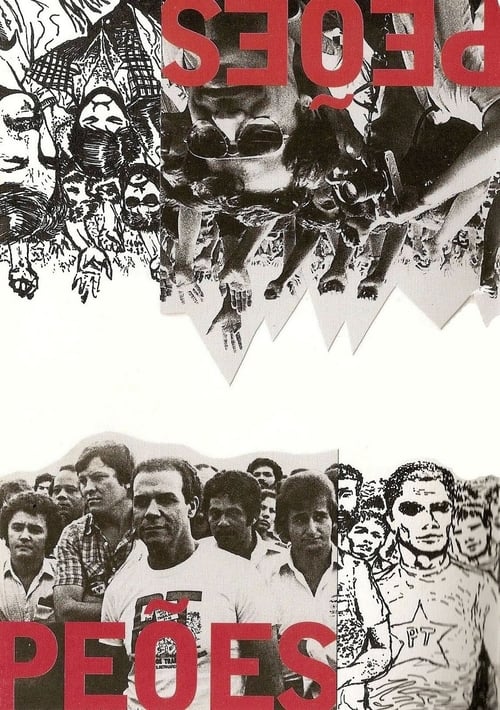
In 1979 and 1980, workers in São Paulo’s metallurgical industry organized a series of strikes that changed the face of union politics in Brazil. In the process, they established the groundwork for Brazil’s Worker’s Party and brought to the national spotlight union leader Luís Inácio Lula da Silva. Metalworkers is a feature-length documentary about the stories of 21 of these workers who took part in these historic strikes but remain in relative anonymity today.
1990

1977
1982

2020
1979
2019
1968

2013
No reviews yet. Be the first to share your thoughts on this movie!
Use the rating form above to leave a star rating and optional review.