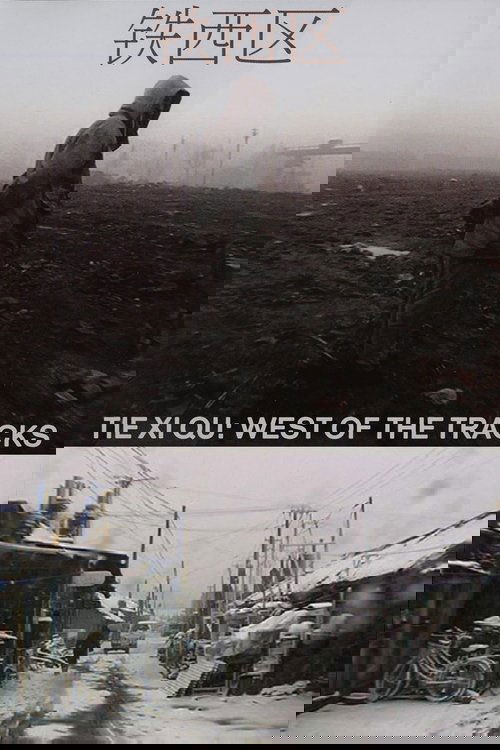
Tie Xi Qu: West of the Tracks
2004
No user ratings available yet
Representation score: 6.5 out of 10

Representation Score
Limited
2009
Not RatedDirector
Steven Bognar, Julia Reichert
Runtime
40 minutes
Average Rating
No ratings yetNew Showbiz Analysis
The Last Truck serves as a specialized sociological document rather than a broad demographic survey. It prioritizes a deep, localized study of a specific socioeconomic group over a diverse range of identities. While the film scores low in identity politics like race and orientation, it excels in cultural critique. It effectively challenges narratives of American prosperity by highlighting the systemic failures of globalized economic policies. Ultimately, the film's value lies in its humanistic storytelling regarding deindustrialization, even if its subject matter remains demographically narrow.
Category Breakdown
The film focuses on the industrial workforce of the Rust Belt and does not include any LGBTQ+ characters or explore non-straight identities.
The narrative centers on traditional industrial roles and a male-dominated labor force, showing how the decline of industrial jobs affects traditional masculinity.
The documentary focuses on the white, working-class community in Moraine, Ohio, and does not include a diverse range of racial backgrounds.
The film critiques neoliberal capitalism and portrays corporate decisions as systemic forces that harm community welfare.
The film highlights the psychological and physical toll of industrial labor but does not specifically address neurodivergence or visible physical disabilities.
Present on Screen
Limited or Absent
Official Synopsis
The inside story of the last days of a General Motors plant in Moraine, Ohio, as lived by the people who worked the line.
2004

1977

2015

1978

1990

1989

2016

2013
No reviews yet. Be the first to share your thoughts on this movie!
Use the rating form above to leave a star rating and optional review.