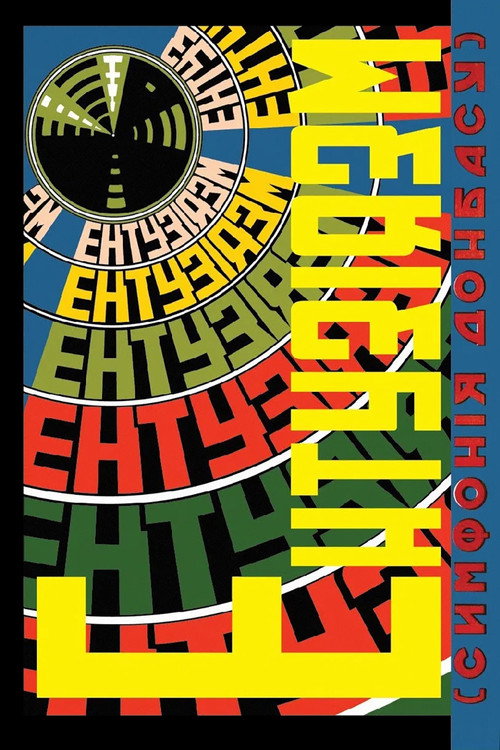
Enthusiasm. Symphony of Donbas
1930
No user ratings available yet
Representation score: 3.0 out of 10
Representation Score
Fair
1934
Director
Henri Storck, Joris Ivens
Runtime
36 minutes
Average Rating
No ratings yetNew Showbiz Analysis
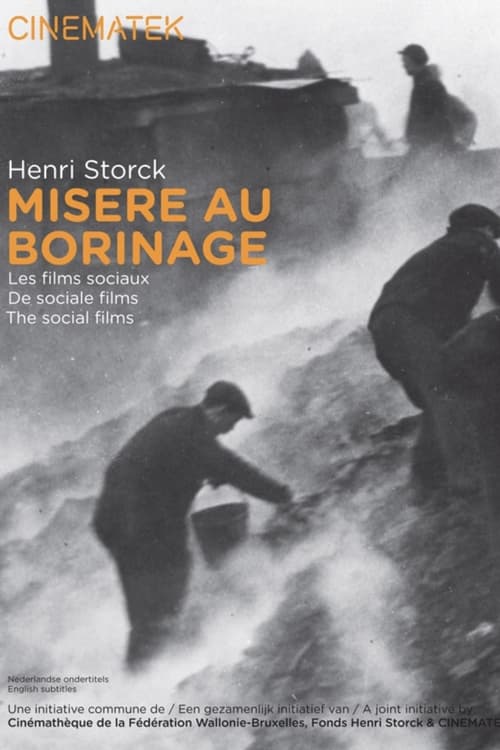
Borinage is a landmark of social realism that prioritizes class-based critique over demographic variety. Its strength lies in its intentional deconstruction of capitalist institutions and the elevation of the disenfranchised. While the film lacks racial and LGBTQ+ diversity, this reflects its specific historical and geographic focus on a Belgian mining community. It frames the struggle of the laborer as a systemic response to oppression rather than mere unrest. The documentary uses the physical hardships of the miners to comment on the human cost of industrial exploitation, providing a profound look at socio-economic ability to act.
Category Breakdown
There are no documented LGBTQ+ characters or narratives exploring non-straight relationships in the film. It focuses solely on the material conditions of the Belgian mining community.
The film shows men in industrial roles and women managing domestic survival. It highlights women's significant role in maintaining communal stability during systemic deprivation.
The cast is ethnically uniform, reflecting the specific demographic reality of the 1932 Borinage region. It lacks diverse racial backgrounds but focuses on working-class identity.
The narrative critiques industrial capitalism and Western institutions. It prioritizes the lived reality of the proletariat over idealized stories of national prosperity.
The film captures the physical toll of industrial labor on the miners' bodies. This serves as a commentary on the vulnerabilities imposed by unregulated capitalism.
Present on Screen
Limited or Absent
Official Synopsis
Henri Storck and Joris Ivens’ landmark of social documentary, blending staged scenes with locals and on-the-spot reportage to depict the 1932 miners’ strike in Belgium’s Borinage—evictions, hunger, and police repression—transforming outrage into a call for solidarity.
1930

1976
1935

1929

1922
1925
1985
1968
No reviews yet. Be the first to share your thoughts on this movie!
Use the rating form above to leave a star rating and optional review.