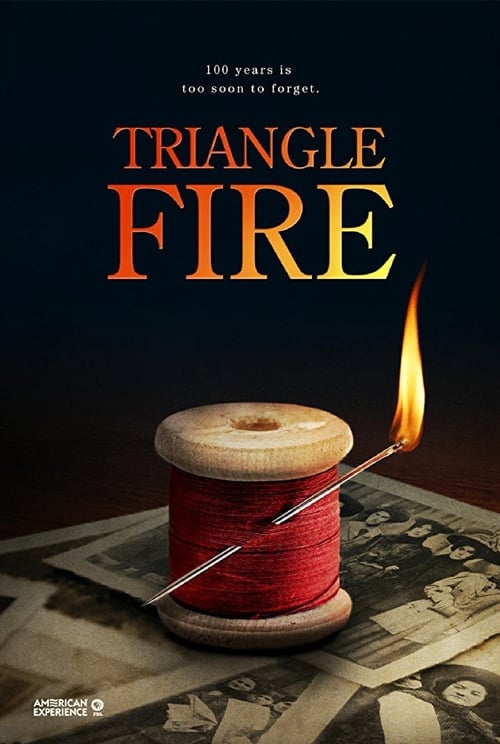
Triangle Fire
2011
No user ratings available yet
Representation score: 9.3 out of 10

Representation Score
Good
2011
Not RatedDirector
Daphne Pinkerson
Runtime
40 minutes
Average Rating
No ratings yetNew Showbiz Analysis
Triangle: Remembering the Fire is a powerful historical documentary that centers on the intersection of gender, immigrant status, and socioeconomic class. By focusing on the 146 workers lost in the 1911 factory fire, the film shifts the perspective from institutional history to the lived realities of the underrepresented working class. The documentary succeeds in humanizing the victims, particularly the young immigrant women who were the primary subjects of the tragedy. It effectively uses the disaster to critique the patriarchal and capitalist structures of the era, showing how systemic negligence catalyzed major social and legal shifts. While the film lacks LGBTQ+ representation and does not focus on permanent disabilities, it provides a profound study of how industrial-era power dynamics exploited vulnerable populations.
Category Breakdown
The film focuses on the historical realities of the early 20th-century garment industry. There are no LGBTQ+ narratives or characters present in this specific historical context.
The narrative highlights the ability to act and vulnerability of young women in the labor force. It portrays the female workforce as central drivers of social reform rather than mere victims.
The film gives significant visibility to the immigrant working class, specifically Jewish and Italian populations. This challenges the homogeneity often found in early 20th-century American historical accounts.
The documentary critiques unregulated capitalism and the tension between corporate interests and the labor movement. It frames the industrial system as a negligent entity prioritizing profit over life.
The film provides a harrowing look at physical trauma and the sudden loss of bodily autonomy. These depictions serve as a commentary on the lack of worker protections.
Present on Screen
Limited or Absent
Official Synopsis
On March 25, 1911, a catastrophic fire broke out at the Triangle Waist Company in New York City. Trapped inside the upper floors of a ten-story building, 146 workers - mostly young immigrant women and teenage girls - were burned alive or forced to jump to their deaths to escape an inferno that consumed the factory in just 18 minutes. It was the worst disaster at a workplace in New York State until 9/11. The tragedy changed the course of history, paving the way for government to represent working people, not just business, for the first time, and helped an emerging American middle class to live the American Dream.
2011

1977
1984
2020
1975
2013
2012
1990
No reviews yet. Be the first to share your thoughts on this movie!
Use the rating form above to leave a star rating and optional review.