
Gasland Part II
2013
No user ratings available yet
Representation score: 5.4 out of 10
Representation Score
Fair
2010
NRDirector
Josh Fox
Runtime
107 minutes
Average Rating
No ratings yetNew Showbiz Analysis
Gasland is an investigative documentary that prioritizes systemic critique over demographic variety. Its strength lies in its ideological challenge to institutional authority and corporate power, framing the struggle as a fight for local sovereignty against industrial capitalism. However, the film lacks significant representation of underrepresented identities. The focus on rural, homogeneous landscapes and the absence of LGBTQ+ or diverse racial narratives limits its demographic breadth. Ultimately, the film's progressive profile is driven by its anti-institutional themes rather than its social diversity. It succeeds as a critique of power dynamics but remains narrow in its human representation.
Category Breakdown
The film does not address LGBTQ+ identities or non-cisgender gender narratives. The environmental theme does not include a framework for stories involving diverse sexual orientations and gender identities.
The narrative emphasizes the roles of both men and women in the local community. It avoids reinforcing traditional patriarchal leadership by focusing on stakeholders involved in the environmental crisis.
The film focuses on rural, often homogeneous American landscapes. It prioritizes class-based conflicts over diverse racial narratives and multi-layered casting.
The film provides a sophisticated critique of industrial capitalism and Western regulatory institutions. It portrays grassroots resistance as a necessary rebellion against predatory corporate structures.
Health crises caused by water contamination are documented throughout the film. These instances frame residents as victims of negligence rather than providing nuanced character development.
Present on Screen
Limited or Absent
Official Synopsis
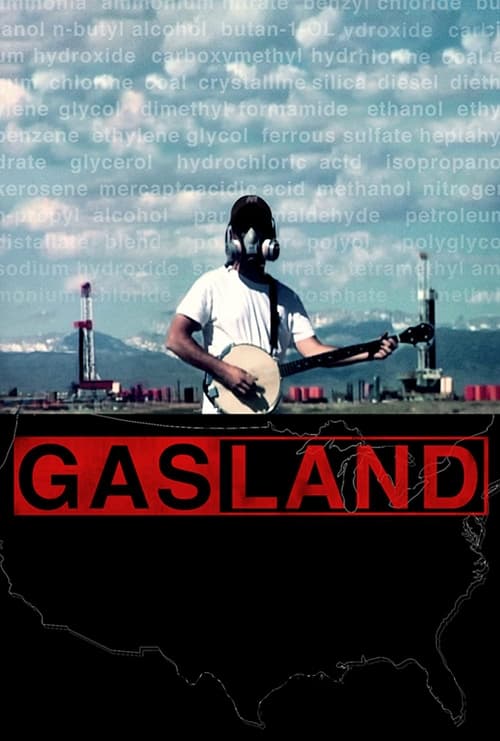
It is happening all across America-rural landowners wake up one day to find a lucrative offer from an energy company wanting to lease their property. Reason? The company hopes to tap into a reservoir dubbed the "Saudi Arabia of natural gas." Halliburton developed a way to get the gas out of the ground-a hydraulic drilling process called "fracking"-and suddenly America finds itself on the precipice of becoming an energy superpower.
2013

2013
2009
2009
2013

2019
2011

2019
No reviews yet. Be the first to share your thoughts on this movie!
Use the rating form above to leave a star rating and optional review.