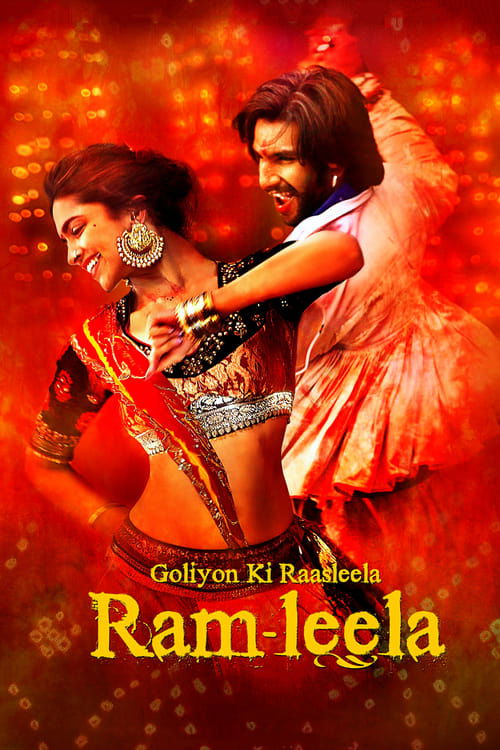
Goliyon Ki Raasleela Ram-Leela
2013
No user ratings available yet
Representation score: 5.0 out of 10
Representation Score
Fair
1960
Not RatedDirector
K. Asif
Runtime
197 minutes
Average Rating
No ratings yetNew Showbiz Analysis
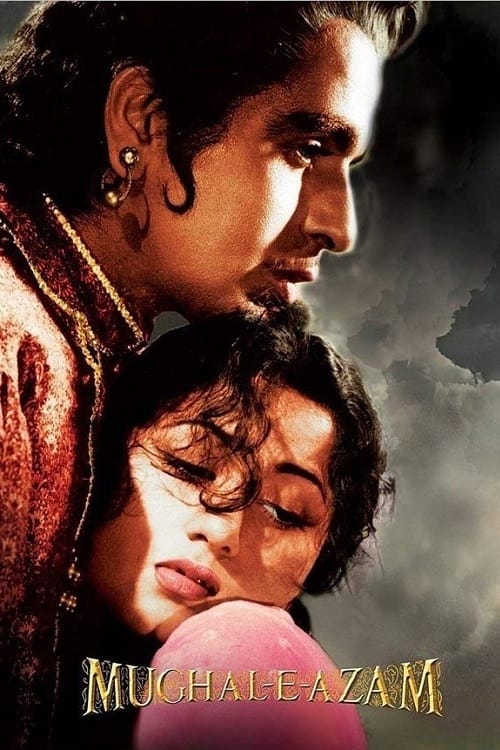
Mughal-e-Azam is a sweeping historical drama that finds its strength in subverting established power dynamics. While the setting is inherently patriarchal, the film elevates the underrepresented individual against the weight of imperial authority. The narrative prioritizes personal ability to act over systemic stability. By framing the conflict as a clash between duty and individual truth, the film challenges the inherent righteousness of absolute monarchical structures. However, the film remains limited by its era, lacking LGBTQ+ representation and any meaningful depictions of disability. It is a culturally rich epic that focuses heavily on traditional romantic and social hierarchies.
Category Breakdown
The story centers on a heterosexual romance between Prince Salim and Anarkali. There are no characters with non-straight or non-cisgender identities, nor any same-sex intimacy in the plot.
Anarkali disrupts traditional hierarchies by playing a significant role in driving the story. Her personal will challenges the patriarchal imperial structure and the authority of Emperor Akbar.
The film centers on South Asian identities within an epic, culturally specific setting. It avoids a Western perspective, providing ethnic authenticity to its non-Anglo-Saxon characters.
The narrative explores the tension between state duty and individual autonomy. It portrays traditional monarchical institutions as forces that can stifle personal freedom.
The primary narrative arc contains no prominent depictions of physical or neurodivergent disabilities.
Present on Screen
Limited or Absent
Official Synopsis
In the 16th century, when Prince Salim falls in love with a beautiful courtesan named Anarkali, Emperor Akbar's disapproval leads to a battle between father and son.
2013
1959
1973

1964
1976
1963

1959
1972
No reviews yet. Be the first to share your thoughts on this movie!
Use the rating form above to leave a star rating and optional review.