
A Short Love Affair
1990
No user ratings available yet
Representation score: 4.0 out of 10
Representation Score
Limited
1961
Director
Shin Sang-ok
Runtime
103 minutes
Average Rating
No ratings yetNew Showbiz Analysis
Shin Sang-ok’s drama is a nuanced study of domestic tension and psychological depth. It succeeds by centering the female experience and providing a culturally authentic look at Korean life during the Golden Age of cinema. However, the film remains firmly rooted in the social and moral hierarchies of its era. While it explores personal desire, it does so within a traditional framework rather than challenging systemic norms. Ultimately, the film's adherence to traditional romance and family structures limits its progressive impact, despite its strong character-driven focus.
Category Breakdown
The film focuses on a romantic tension between a widow and a male guest within the social expectations of 1961 Korea. It operates within the assumption that everyone is straight or cisgender.
The narrative centers on the female experience and the mother's internal conflict. It prioritizes her psychological autonomy over male control within the domestic sphere.
This production features a predominantly Korean cast, providing high ethnic authenticity. It presents a culturally specific and homogeneous Korean social reality.
The story is embedded in traditional mid-century Korean social mores and Confucian-influenced frameworks. It explores the tension of adhering to established family duties.
There are no prominent depictions of visible or invisible disabilities that serve as central narrative drivers in this work.
Present on Screen
Limited or Absent
Official Synopsis
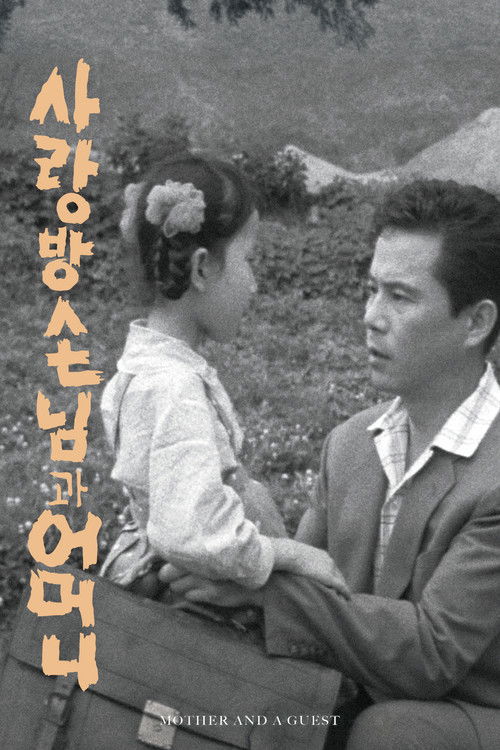
Six-year-old Ok Hee is glad when Mr. Han comes to board at her house full of women. She plays messenger for Mr. Han and her widowed mother as they quietly fall in love, but is her support enough to guard their love?
1990

1961

1960

1966

1967
1951

1966

1967
No reviews yet. Be the first to share your thoughts on this movie!
Use the rating form above to leave a star rating and optional review.