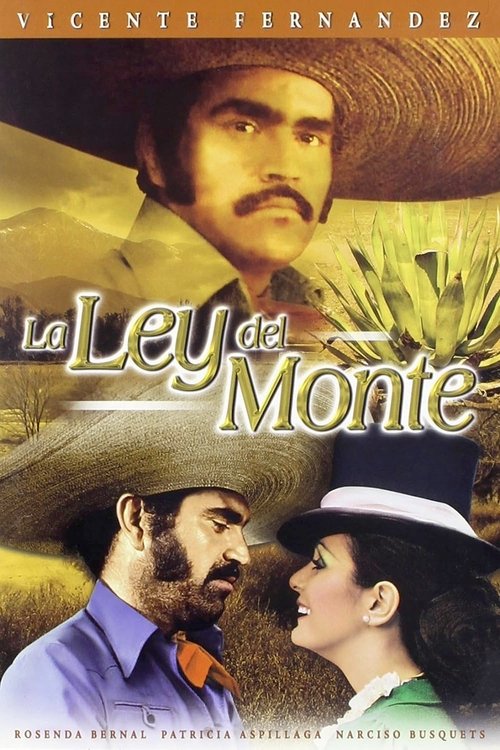
La Ley Del Monte
1976
No user ratings available yet
Representation score: 4.3 out of 10
Representation Score
Fair
1947
Not RatedDirector
Ismael Rodríguez
Runtime
105 minutes
Average Rating
No ratings yetNew Showbiz Analysis
Ismael Rodríguez’s work provides a vital non-Western perspective by centering Mexican national identity and the socio-political landscape of the post-revolutionary era. By focusing on a farmer during revolutionary times, the film elevates regional lived experiences over the dominant Hollywood narrative. However, the film remains constrained by the era's genre conventions. The romantic drama framework likely reinforces traditional gender hierarchies and straight-centered courtship rituals, limiting the ability to act of female characters and the visibility of LGBTQ+ identities. Ultimately, the film serves as a significant cultural artifact that challenges Anglo-centric cinematic hegemony while remaining tethered to the sentimentalism and social structures of its time.
Category Breakdown
The film follows traditional romantic conventions from 1947, focusing on heterosexual courtship. There is no indication of LGBTQ+ identities or same-sex intimacy.
Women likely serve as emotional anchors or victims of circumstance within the revolutionary setting. The narrative seems to follow established gender hierarchies typical of romantic dramas.
The film centers Mexican identity and mestizo lived experiences, challenging Hollywood-centric storytelling. It emphasizes local revolutionary history and a non-Anglo-Saxon perspective.
The setting suggests a critique of power structures and systemic instability. However, the romance genre likely balances this with traditional values regarding honor and family.
There is no evidence regarding the inclusion or portrayal of characters with physical or neurodivergent disabilities.
Present on Screen
Limited or Absent
Official Synopsis
A farmer is in love during revolutionary times.
1976
1992
1963
1959

1946

2009
1949
1996
No reviews yet. Be the first to share your thoughts on this movie!
Use the rating form above to leave a star rating and optional review.