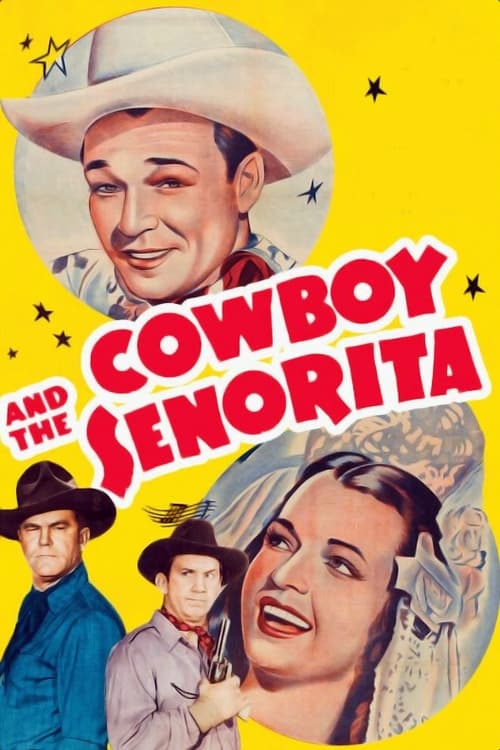
Cowboy and the Senorita
1944
No user ratings available yet
Representation score: 1.1 out of 10
Representation Score
Minimal
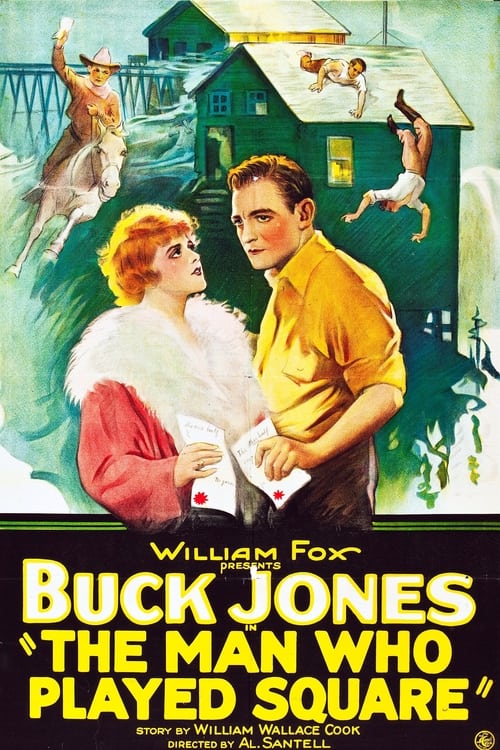
1924
PassedDirector
Alfred Santell
Runtime
70 minutes
Average Rating
No ratings yetNew Showbiz Analysis
The film is a traditional silent-era Western that relies heavily on established genre clichés. It centers on a heroic protector archetype, where a male protagonist navigates industrial corruption to secure a legacy for a female minor. Narratively, the film reinforces traditional social hierarchies. men's control over the story is the primary engine of the plot, while female and minority characters lack significant influence or complex representation. Ultimately, the work reflects the demographic homogeneity and rigid gender roles characteristic of early 20th-century frontier cinema, offering little in the way of multi-layered representation.
Category Breakdown
The film does not depict any non-straight or non-cisgender identities or same-sex relationships. The story revolves around a traditional male-female relationship between a rancher and a young girl.
The male protagonist, Matt Black, drives the plot. The female character, Bertie, remains passive, receiving an inheritance and being protected.
The film follows the homogeneous demographic standards of 1920s Westerns. There are no diverse characters or non-white individuals with significant roles.
The story emphasizes traditional Western values related to property ownership and individual justice. It focuses on capitalist and legalistic structures without offering cultural critiques.
The film does not include any characters with visible or invisible disabilities.
Present on Screen
Limited or Absent
Official Synopsis
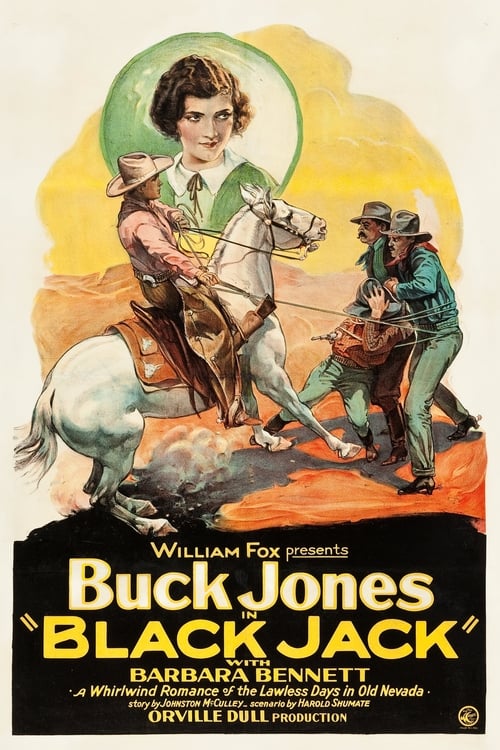
Rancher Matt Black is willed half of a Nevada gold mine. Arriving there, he learns that the heir of the other half is a young girl named "Bertie." Realizing that there may be some dirty work and theft going on at the mine, he conceals his identity and gets a job as a miner.
1944

1940
1934
1939
1931
1934
1927
1938
No reviews yet. Be the first to share your thoughts on this movie!
Use the rating form above to leave a star rating and optional review.