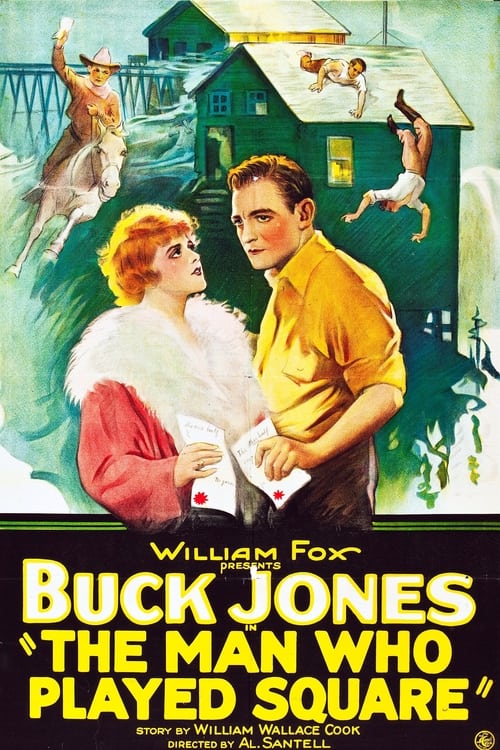
The Man Who Played Square
1924
No user ratings available yet
Diversity score: 2.7 out of 10
1930
PassedDirector
Alfred Santell
Runtime
88 minutes
Average Rating
No ratings yetSynopsis
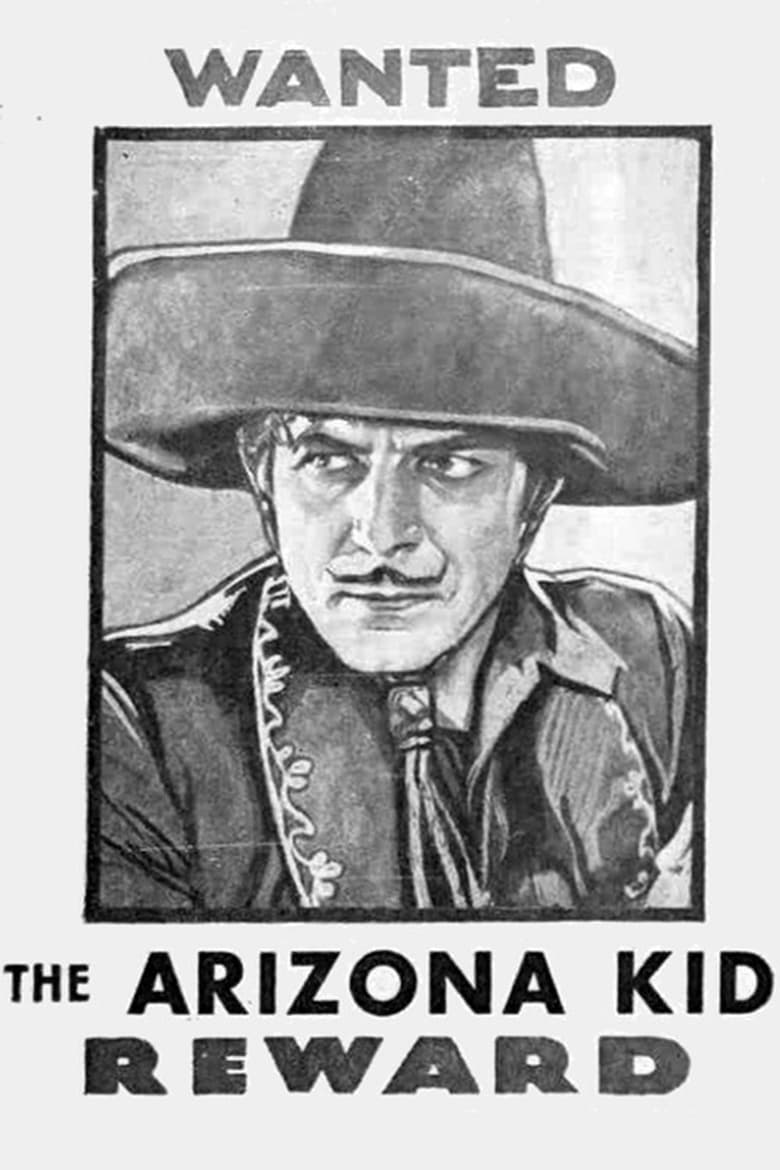
The Arizona Kid carries out his mission as a Robin Hood-type bandit while posing as a wealthy and carefree miner. He falls for an eastern girl, Virginia Hoyt, accompanied by presumably her brother, Dick Hoyt, actually her husband. The Kid's mine is raided and two of his friends are killed and he learns that Dick and Virginia are the culprits...
Overall Score
Limited
Category Breakdown
LGBTQ+ Representation
The film centers on a traditional romantic pairing between the protagonist and Virginia Hoyt. It operates within standard heteronormative structures without exploring non-cisnormative identities.
Gender Representation
Virginia Hoyt is central to the romance, but her agency is tied to the plot's mystery. The narrative prioritizes the male protagonist's mission and romantic consequences.
Racial & Ethnic Diversity
The story focuses on interpersonal conflicts between central white characters. There is no indication of a diverse or multi-ethnic cast within the narrative.
Religious & Cultural Diversity
The 'outlaw as hero' trope offers minor moral ambiguity through social redistribution. However, the film remains within the bounds of Western individualism.
Disability Representation
There is no evidence regarding the portrayal of physical or neurodivergent disabilities in this production.
Strengths
Areas for Improvement
AI Analysis
The Arizona Kid is a conventional 1930s Western that relies heavily on established genre tropes. While the Robin Hood archetype introduces a layer of moral complexity regarding legal versus ethical authority, the film does not use this to critique social hierarchies. The narrative is driven by situational irony and traditional romantic pursuits. It functions as a standard genre piece rather than a work that seeks to subvert or challenge the social norms of its era. Ultimately, the film reinforces the archetypes of the early Western era, focusing on individual heroism and traditional interpersonal dynamics.
No reviews yet. Be the first to share your thoughts on this movie!
Use the rating form above to leave a star rating and optional review.