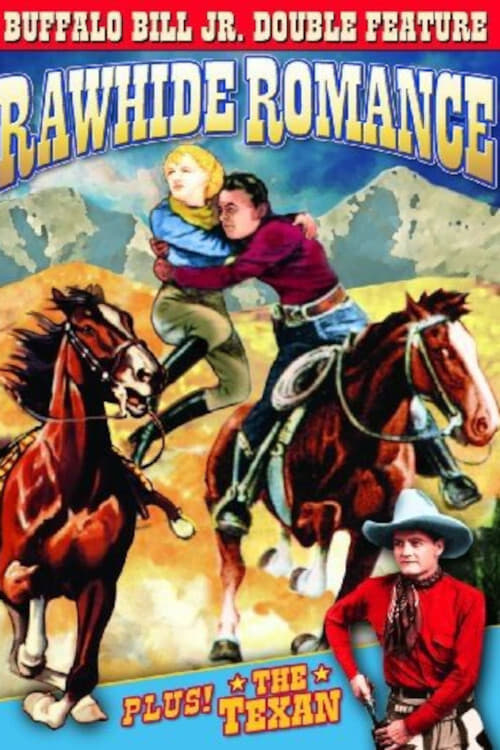
Rawhide Romance
1934
No user ratings available yet
Representation score: 0.4 out of 10

Representation Score
Minimal
1929
PassedDirector
Eugene Forde
Runtime
65 minutes
Average Rating
No ratings yetNew Showbiz Analysis
The Big Diamond Robbery is a standard genre piece that reinforces the social and gender hierarchies of the late 1920s. The plot centers on a male foreman protecting a female lead, a structure that prioritizes traditional masculine roles and feminine vulnerability. Representation is minimal, as the film follows established Western clichés of the era. It focuses on the protection of property and social order rather than exploring diverse identities or challenging systemic norms. Ultimately, the film serves as a period-typical example of early studio filmmaking, offering little in the way of multi-layered representation or social disruption.
Category Breakdown
The film does not include any LGBTQ+ characters or stories that go beyond traditional heterosexual relationships. It follows the romantic and protective dynamics typical of 1929 cinema.
The story revolves around a protector/protected dynamic between the foreman and the employer's daughter. While the woman is central to the plot, her role is defined by her vulnerability.
The film likely reflects the era's focus on Anglo-Saxon protagonists. It lacks evidence of diverse casting, suggesting a homogeneous cast typical of early Westerns.
The narrative emphasizes duty, property, and the defense of assets. It operates within traditional Western storytelling frameworks without exploring alternative cultural or secularist themes.
There is no indication of characters with visible or invisible disabilities. No such traits are utilized as narrative devices within the story.
Present on Screen
Limited or Absent
Official Synopsis
A ranch foreman is assigned to escort his employer's daughter from the big city back to the ranch. The girl is carrying the valuable Regent diamond and the pair become the target of a gang of thieves.
1934
1937

1947
1937
1933
1936
1939
1937
No reviews yet. Be the first to share your thoughts on this movie!
Use the rating form above to leave a star rating and optional review.