
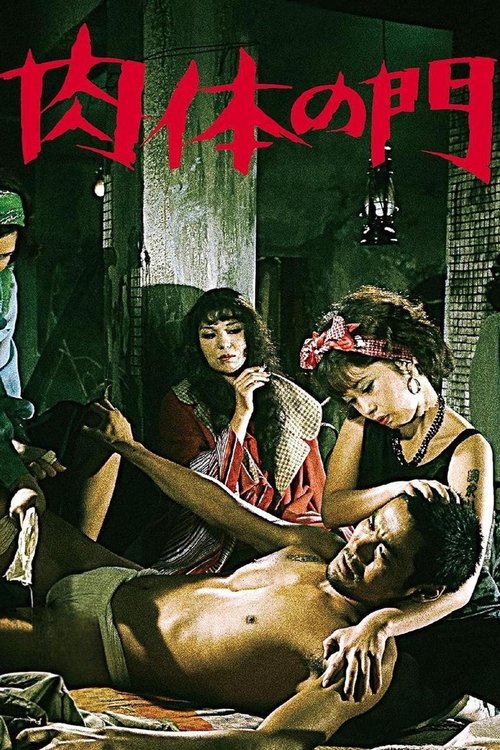
Gate of Flesh
1988
No user ratings available yet
Representation score: 5.2 out of 10
Representation Score
Excellent
1977
Director
Shōgorō Nishimura
Runtime
97 minutes
Average Rating
No ratings yetNew Showbiz Analysis
Shōgorō Nishimura’s drama offers a sophisticated look at post-war Japan by focusing on women navigating a broken society. The film effectively deconstructs colonial power dynamics and challenges traditional gender hierarchies, presenting women as active survivors rather than passive victims. However, the narrative lacks depth on LGBTQ+ identities and doesn’t feature specific representations of disability. While the film addresses the intersection of gender and occupation, these specific perspectives remain largely unexplored.
Category Breakdown
The film doesn't explicitly include LGBTQ+ identities or stories about people whose gender doesn't match what they were assigned at birth. It focuses on the heterosexual realities of the occupation era.
Women are shown as strong leaders who survive on their own terms, rather than passive victims. The film challenges traditional hierarchies by highlighting women's active roles amidst the chaos of war.
The story looks at power dynamics after colonization through the tension between Japanese people and US forces. It shows how underrepresented groups deal with foreign dominance.
The film criticizes Western military and economic systems, showing survival strategies as a form of rebellion against an oppressive system. It highlights how social norms break down due to systemic issues.
The film doesn’t focus on visible or invisible disabilities. Characters' struggles are shaped by socioeconomic and gender pressures, not physical or neurological conditions.
Present on Screen
Limited or Absent
Official Synopsis
The background is Yuraku-cho in Tokyo and the film shows how desperately the women, who had led sheltered lives before the war, struggled to keep alive and the innate strength of post-war women.
1988

1956
1959

1970

1964

2015

1961
1954
No reviews yet. Be the first to share your thoughts on this movie!
Use the rating form above to leave a star rating and optional review.