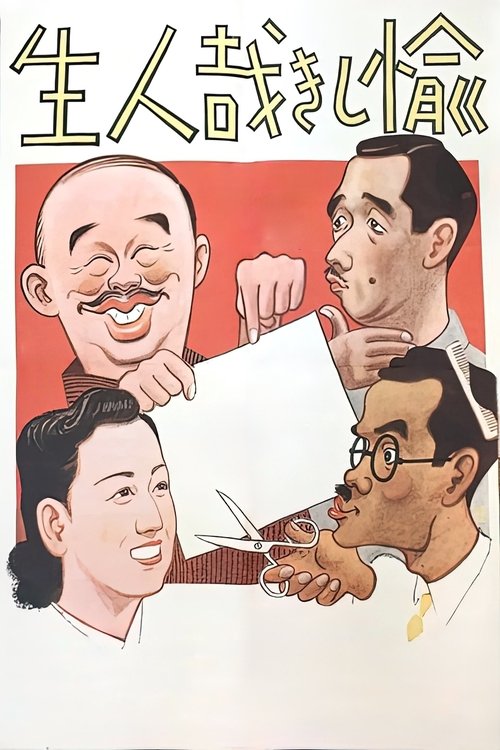
This Happy Life
1944
No user ratings available yet
Representation score: 5.2 out of 10
Representation Score
Fair
1952
Director
Yasuki Chiba
Runtime
97 minutes
Average Rating
No ratings yetNew Showbiz Analysis
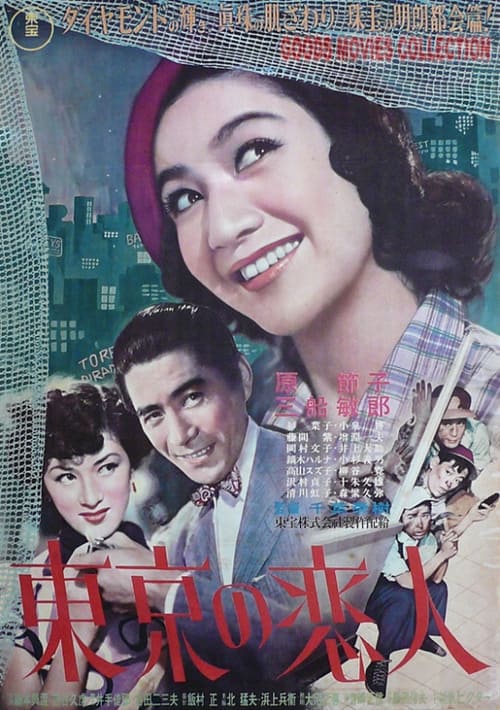
Tokyo Sweetheart offers a poignant look at the socioeconomic struggles of post-war Tokyo. By centering on underrepresented urban workers like street vendors and artisans, the film explores resilience amidst systemic scarcity. The narrative succeeds in providing ability to act to working-class women and those operating outside traditional power structures. This focus provides a meaningful layer of social commentary regarding survival and autonomy. However, the film lacks representation for LGBTQ+ identities and does not address disability. Its scope remains localized to the specific cultural and economic realities of the Japanese working class.
Category Breakdown
The film does not include any explicit representation of LGBTQ+ identities. It focuses on general human connections during a period of social upheaval without addressing the assumption that everyone is straight or cisgender.
Female characters, such as pachinko parlor girls, play significant roles in the story. They are shown as active participants in economic survival, challenging traditional domestic hierarchies.
The cast is ethnically homogeneous, centered on a Japanese demographic. It avoids Western-centric casting by focusing on the specific lived experiences of this local population.
The narrative engages with moral relativism by focusing on those on the fringes of the formal economy. It challenges traditional institutions through the lens of systemic economic oppression.
There is no documented evidence regarding the portrayal of physical or neurodivergent disabilities in this work.
Present on Screen
Limited or Absent
Official Synopsis
Following the Second World War, the lives of various people in a poverty-stricken area of Tokyo are entertwined. Pachinko parlor girls, shoeshine boys, a maker of costume jewelry, and a streetcorner artist all struggle to make their livings and to find happiness in difficult surroundings.
1944

1970

1933
1932
1931

1948

2002
1954
No reviews yet. Be the first to share your thoughts on this movie!
Use the rating form above to leave a star rating and optional review.