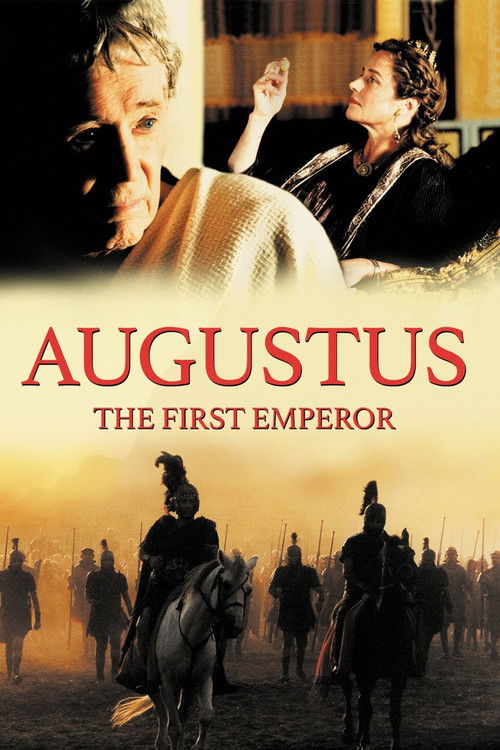
Augustus: The First Emperor
2003
No user ratings available yet
Representation score: 2.9 out of 10

Representation Score
Minimal
1913
Director
Enrico Guazzoni
Runtime
74 minutes
Average Rating
No ratings yetNew Showbiz Analysis
Guazzoni's film is a product of its time, emphasizing large-scale historical romance over modern perspectives on diversity. Although it presents Cleopatra as a powerful leader, breaking some early cinematic conventions, it remains tied to the traditional structures of 1913 filmmaking. The film excels in showcasing Cleopatra's leadership but falls short in providing ethnic specificity and critiquing institutional power.
Category Breakdown
The film centers on the romance between Marc Antony and Cleopatra, following traditional heterosexual storylines common in early 20th-century films.
Cleopatra is shown as a powerful ruler whose decisions shape the story. However, her influence is sometimes overshadowed by her romantic relationships and personal conflicts with Octavia.
The film features a mostly white European cast playing characters from Mediterranean and North African backgrounds, which reduces the ethnic diversity of the Egyptian court.
The movie highlights the power struggles of empires and the divine status of Cleopatra. It focuses on historical grandeur without questioning Western imperialism.
There is no discernible evidence regarding the portrayal of physical or neurodivergent disabilities in this production.
Present on Screen
Limited or Absent
Official Synopsis
Based loosely on Shakespeare's play, Plutarch's "Life of Antony", and Pietro Cossa's dramatic poem, "Cleopatra", this movie was spectacular for its time. It offers location shots made in Italy and Egypt, large crowd scenes (e.g., the Roman army embarking in Alexandria), lots of emotional drama (Marc Antony & Cleopatra, his wife Octavia, sister of Antony's rival Octavian, unhistorically coming to Alexandria to beg him to return to her, and some mean, mean looks exchanged between Octavia and Cleopatra.
2003
1963
1939

1951

1944

2018

1941

1936
No reviews yet. Be the first to share your thoughts on this movie!
Use the rating form above to leave a star rating and optional review.