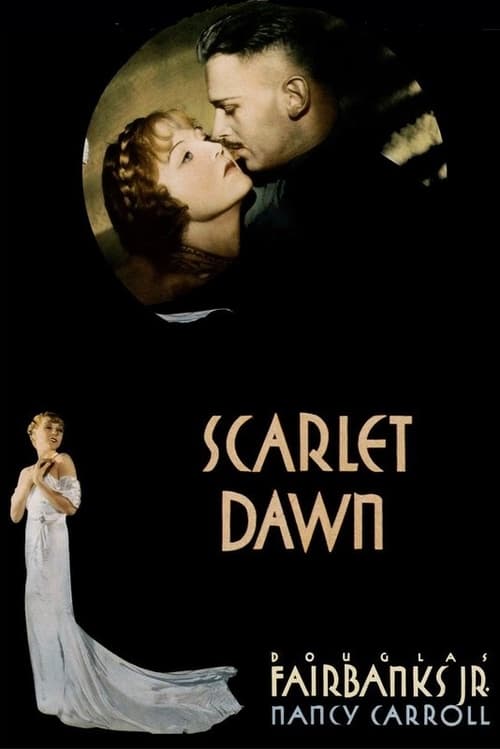
Scarlet Dawn
1932
No user ratings available yet
Representation score: 2.2 out of 10
Representation Score
Minimal
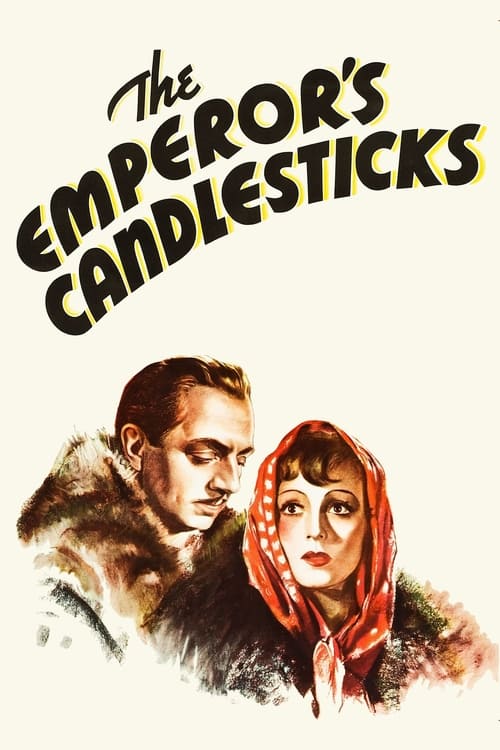
1937
ApprovedDirector
George Fitzmaurice
Runtime
89 minutes
Average Rating
No ratings yetNew Showbiz Analysis
The Emperor's Candlesticks is a classic 1930s studio production that prioritizes traditional romantic narratives over social critique. It presents a narrow view of pre-revolutionary Russian society, reinforcing the established social hierarchies of the time. The film offers little in terms of diverse representation. It relies on the conventions of its era, presenting Western European social norms as the standard. This leaves little room for varied perspectives. Ultimately, the film upholds the status quo by focusing on the interpersonal dynamics of the aristocracy without addressing systemic power structures or identity-based issues.
Category Breakdown
The film does not include any representation of LGBTQ+ identities or same-sex relationships. The romantic storyline focuses solely on heterosexual relationships.
Women in the film engage in social interactions but their influence is limited to traditional roles within the household and courtship. The movie upholds the gender norms of the 1930s.
The cast is predominantly white and reflects a European interpretation of Russian nobility. There are no non-white characters with significant roles in the story.
The story emphasizes traditional social structures and romantic ideals without challenging Western institutions. It focuses on the personal relationships among the aristocracy.
The film does not feature any characters with visible or invisible disabilities. The story centers on the socioeconomic and romantic struggles of the main characters.
Present on Screen
Limited or Absent
Official Synopsis
Spies on opposite sides fall in love in pre-revolutionary Russia.
1932
1999

2015
1936
1987
1934
1928
1934
No reviews yet. Be the first to share your thoughts on this movie!
Use the rating form above to leave a star rating and optional review.