
Inês de Portugal
1997
No user ratings available yet
Representation score: 3.2 out of 10
Representation Score
Limited
2003
RDirector
Roger Young
Runtime
200 minutes
Average Rating
No ratings yetNew Showbiz Analysis
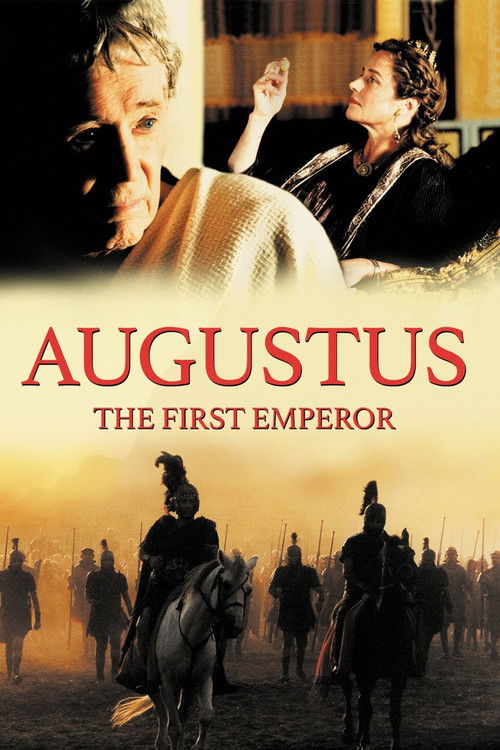
Augustus: The First Emperor is a traditional historical drama that emphasizes the consolidation of imperial power and the continuation of lineage. The film adheres to classical biographical patterns typical of early 2000s productions. It reinforces rather than challenges established social and familial hierarchies. While it offers insight into Roman power structures, it does not incorporate modern perspectives that reflect multiple aspects of identity. The narrative remains centered on the aristocratic class and traditional dynastic continuity.
Category Breakdown
The film focuses on the Roman aristocracy and does not include any characters with non-traditional gender identities or LGBTQ+ stories.
Julia is a central character, but her role is closely tied to the legacies of male figures such as Augustus and Agrippa.
The story primarily revolves around the Mediterranean and European aristocracy, reflecting traditional historical dramas.
The narrative highlights the establishment of the Roman Empire and its institutions, without critiquing Western traditions.
There are no characters in the film who navigate physical or neurodivergent disabilities.
Present on Screen
Limited or Absent
Official Synopsis
Caesar Augustus tells of how he became the emperor to his reluctant daughter, Julia following the death of her husband Agrippa.
1997
1969

2013

1957

1984
1994

1944

1951
No reviews yet. Be the first to share your thoughts on this movie!
Use the rating form above to leave a star rating and optional review.