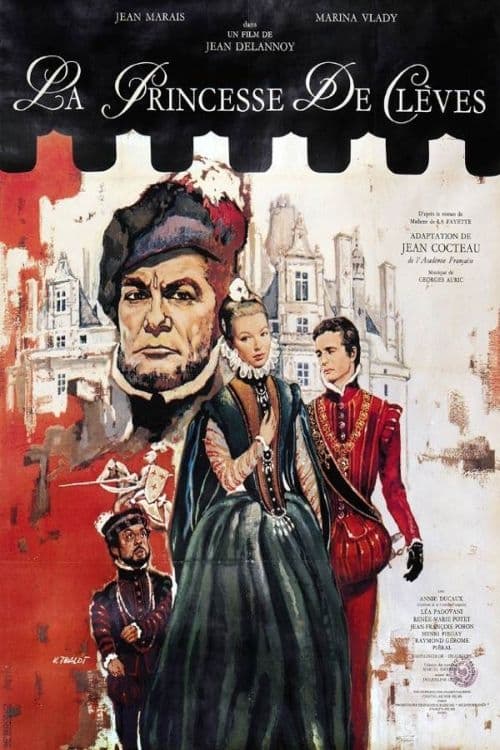
Princess of Cleves
1961
No user ratings available yet
Representation score: 1.2 out of 10
Representation Score
Minimal
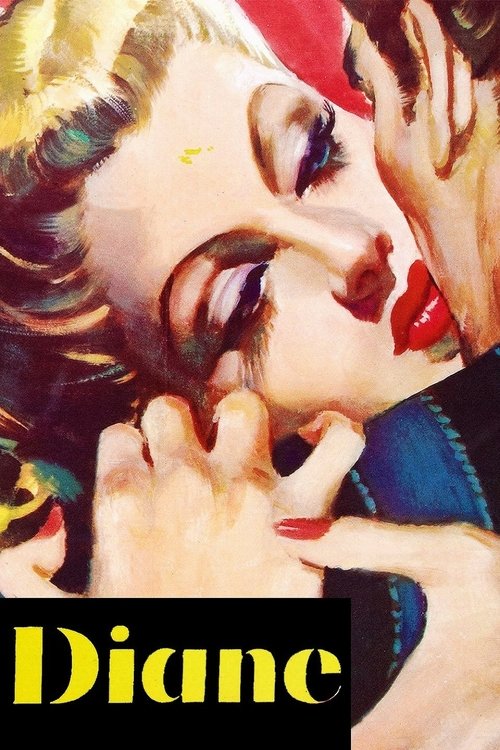
1956
ApprovedDirector
David Miller
Runtime
110 minutes
Average Rating
No ratings yetNew Showbiz Analysis
Diane is a conventional mid-century period drama that adheres to the established hierarchies of its time. While it offers a platform for a female-led narrative, the character's power is defined by her relationships with men. The film adheres to the Eurocentric and straight-centered standards of 1956 Hollywood, presenting a homogeneous view of 16th-century French royalty with little racial or cultural variety. Ultimately, the film functions as a traditional melodrama, navigating existing social ambitions and aristocratic traditions without challenging the systemic norms of the era.
Category Breakdown
The film follows a strictly heterosexual storyline with no representation of LGBTQ+ identities or same-sex relationships.
The story centers on Diane de Poitiers, highlighting her intellect and social skills. However, her influence is tied to her relationships with powerful men.
The cast is primarily made up of actors representing Western aristocracy, lacking significant racial diversity or ethnic blending.
The narrative emphasizes traditional Western structures of monarchy and class, focusing on navigating existing power dynamics within the French court.
There are no visible or invisible disabilities integrated into the character arcs or used as meaningful narrative elements.
Present on Screen
Limited or Absent
Official Synopsis
Asked by Francis I to tutor his son, Diane de Poitiers becomes the future King Henry II's mistress in 1500s France.
1961
1994
1939
1969
1944
2010
1953
1967
No reviews yet. Be the first to share your thoughts on this movie!
Use the rating form above to leave a star rating and optional review.