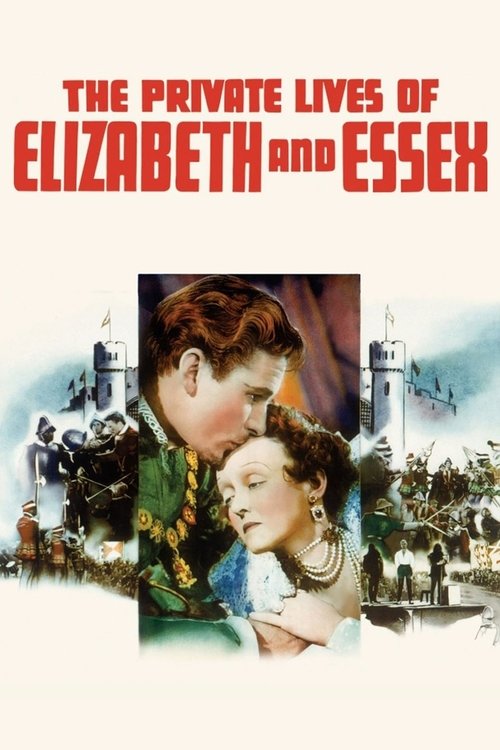
The Private Lives of Elizabeth and Essex
1939
No user ratings available yet
Representation score: 1.6 out of 10
Representation Score
Limited
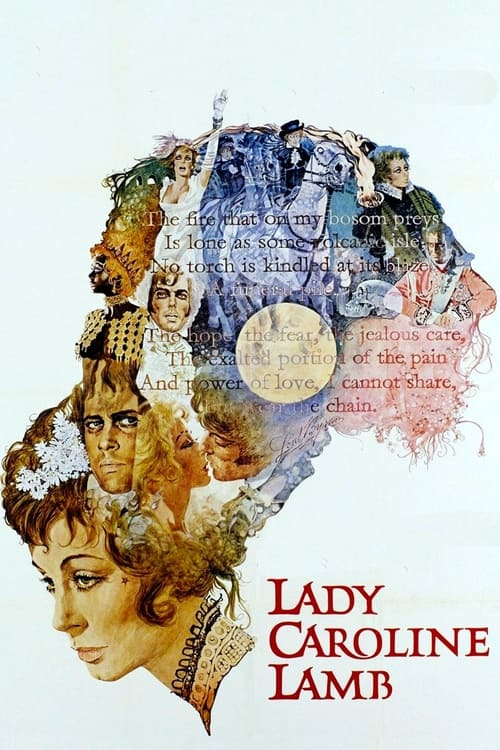
1972
PGDirector
Robert Bolt
Runtime
123 minutes
Average Rating
No ratings yetNew Showbiz Analysis
Lady Caroline Lamb is a character-driven period drama that highlights a woman actively shaping her own narrative, challenging the submissive ideals of her era. However, the film is limited in its demographic scope, focusing solely on the homogeneous society of the Regency period and lacking diverse representation in terms of race, sexuality, or disability.
Category Breakdown
The film focuses on heterosexual relationships typical of the Regency era. There are no representations of LGBTQ+ identities or same-sex relationships among the main characters.
Lady Caroline Lamb is a proactive protagonist who challenges the passive expectations of her time. Her pursuit of passion disrupts traditional views of female behavior.
The cast is predominantly white and British, reflecting the aristocratic society of the period. The film lacks diverse ethnic representation.
The narrative critiques the rigid social structures and oppressive mores of the aristocracy. It focuses on dysfunction within these institutions without addressing modern systemic issues.
There are no prominent depictions of visible or invisible disabilities. Disability is not used as a central plot device or character trait.
Present on Screen
Limited or Absent
Official Synopsis
Lady Caroline Lamb, dissatisfied in her marriage, has an affair with the dashing Romantic poet Lord Byron.
1939
1988

1941

1989
1928
1969
1956
1967
No reviews yet. Be the first to share your thoughts on this movie!
Use the rating form above to leave a star rating and optional review.