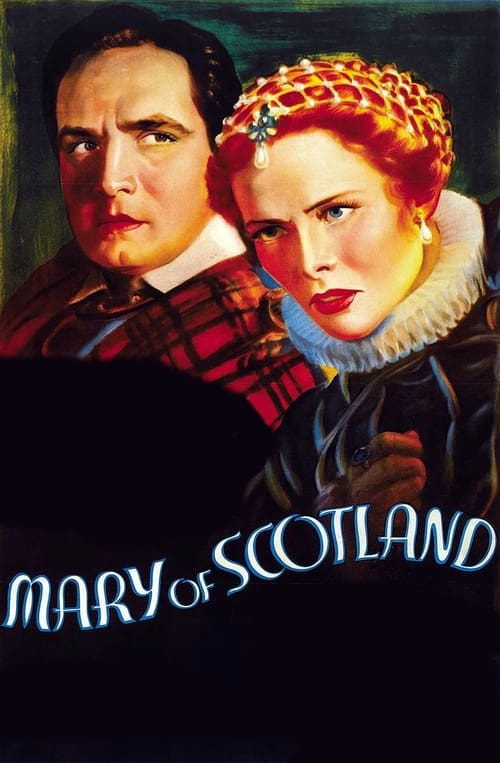
Mary of Scotland
1936
No user ratings available yet
Representation score: 2.1 out of 10

Representation Score
Minimal
1939
ApprovedDirector
Michael Curtiz
Runtime
106 minutes
Average Rating
No ratings yetNew Showbiz Analysis
This film is a classic example of 1939 cinema, emphasizing traditional dramatic structures and historical romance. It stands out in portraying female political power, challenging some gender stereotypes of its time through Bette Davis's strong performance. However, the film remains confined within the homogeneous and institutional frameworks of the era. The absence of racial diversity and any LGBTQ+ representation reflects the limited social perspective of the time. Overall, while the film provides a nuanced exploration of power and gender, it adheres to the traditional boundaries set by Golden Age Hollywood.
Category Breakdown
The film strictly follows heterosexual and cisgender romantic structures. There is no indication of queer themes or non-binary identities.
Queen Elizabeth I is shown as a powerful and intellectually dominant figure. Her sovereignty and decision-making challenge traditional views of female passivity.
The cast is uniform, reflecting the production standards of 1939. It portrays an exclusively Anglo-Saxon aristocratic society without any racial or ethnic variety.
The drama emphasizes the significance of Western institutions such as the Monarchy. It highlights the responsibilities of traditional leadership without critiquing institutions.
No significant depictions of physical or neurodivergent disabilities are present in the primary narrative arc.
Present on Screen
Limited or Absent
Official Synopsis
This period drama frames the tumultuous affair between Queen Elizabeth I and the man who would be King of England.
1936
1934
1956
1969

1941
1967
1953
1994
No reviews yet. Be the first to share your thoughts on this movie!
Use the rating form above to leave a star rating and optional review.