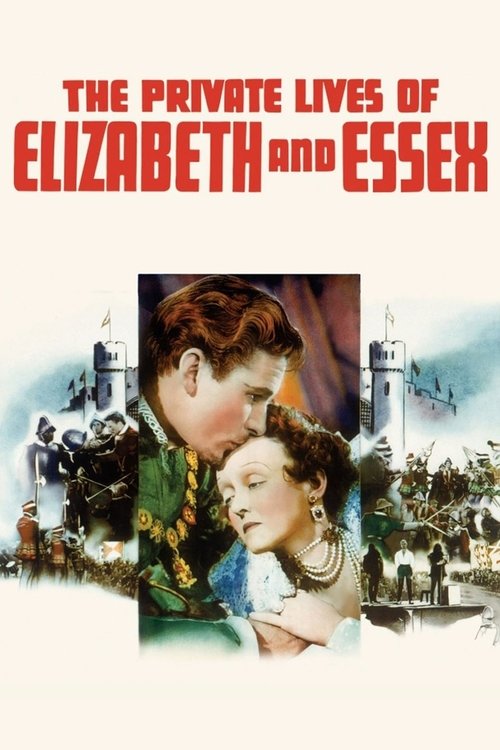
The Private Lives of Elizabeth and Essex
1939
No user ratings available yet
Representation score: 1.6 out of 10
Representation Score
Limited
1936
ApprovedDirector
John Ford
Runtime
123 minutes
Average Rating
No ratings yetNew Showbiz Analysis
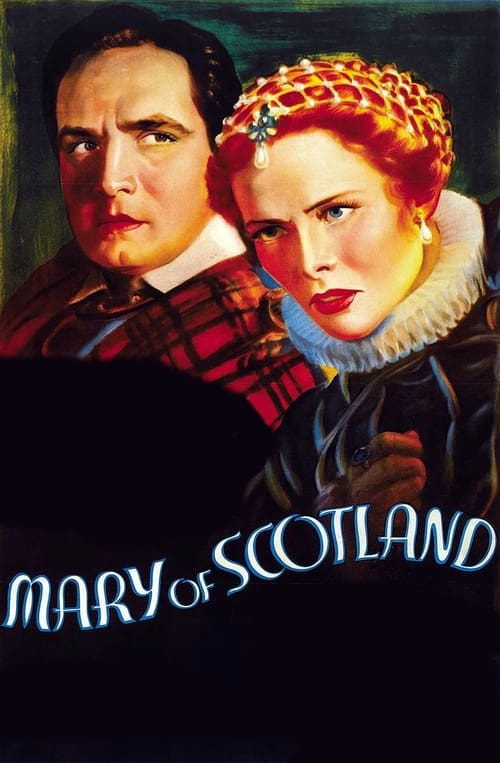
John Ford’s historical drama centers on female leadership, providing a degree of influence for Mary Stuart that elevates her above standard submissive period clichés. This focus on a female protagonist navigating power structures provides the film's strongest point of representation. However, the film is deeply rooted in the social and racial hierarchies of its era. It lacks racial diversity and offers no representation of LGBTQ+ identities, remaining strictly within the straight-centered and Eurocentric norms of the 1930s and the 16th century. Ultimately, the film functions as a traditional period piece. It preserves historical and religious institutions rather than challenging them, resulting in a narrative that reflects the status quo of its time.
Category Breakdown
The film adheres to strict conventions that assume everyone is straight or cisgender, typical of 16th-century settings. No characters with non-traditional gender identities or same-sex relationships are depicted, focusing instead on the historical romance between Mary Stuart and Lord Darnley.
Mary Stuart serves as a central female monarch navigating a male-dominated political landscape. The film gives her significant intellectual weight and a leading role, avoiding purely submissive clichés while exploring the vulnerabilities of her position.
The cast is predominantly white and European, reflecting the demographic homogeneity of the 16th-century Scottish court. There is no evidence of actors from diverse backgrounds being cast in roles traditionally expected to be filled by Anglo-Saxons.
The narrative focuses on historical tensions between Catholicism and Protestantism within traditional Western structures. It portrays monarchical and religious institutions through a lens of legitimacy rather than critique.
There are no prominent characters depicted with visible or invisible disabilities. Disability is not used as a narrative device or a tool for characterization in this production.
Present on Screen
Limited or Absent
Official Synopsis
The recently widowed Mary Stuart returns to Scotland to reclaim her throne but is opposed by her half-brother and her own Scottish lords.
1939
1934
1953

1957
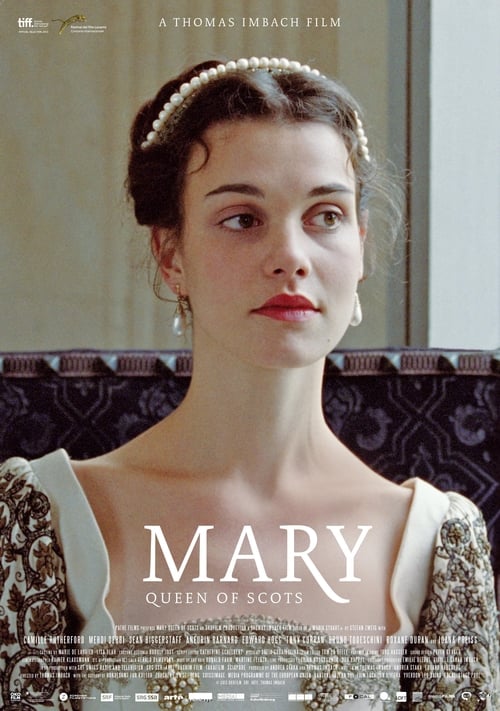
2013
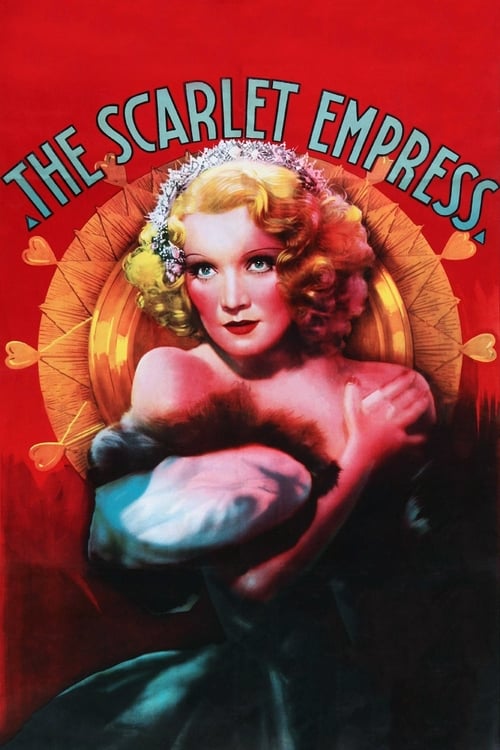
1934

1956
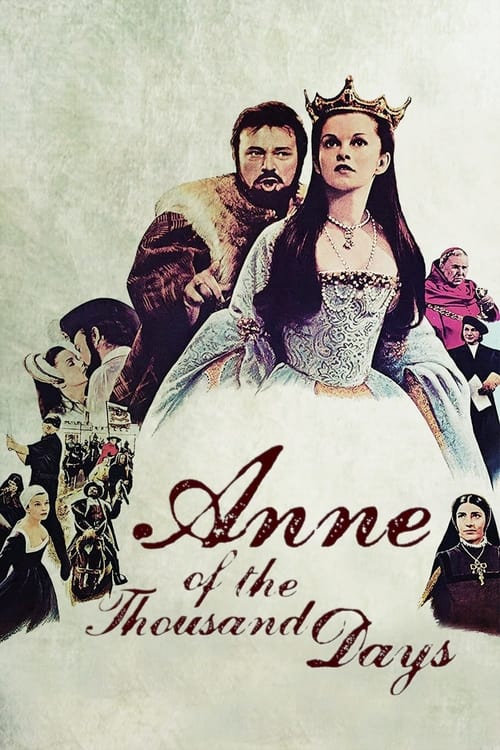
1969
No reviews yet. Be the first to share your thoughts on this movie!
Use the rating form above to leave a star rating and optional review.