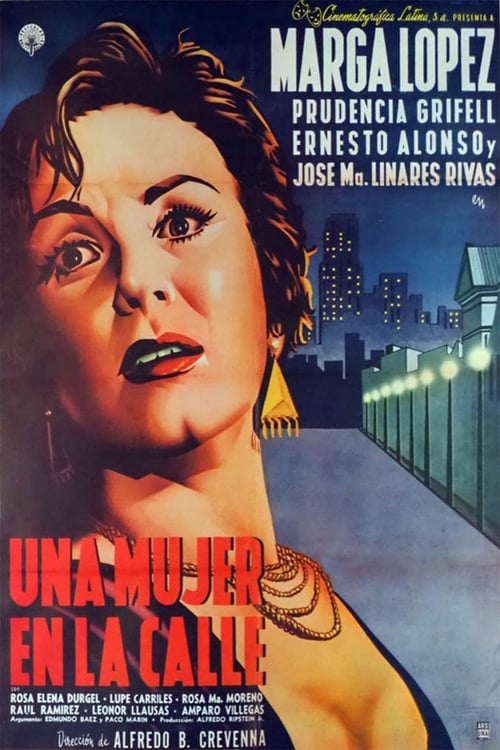
Una mujer en la calle
1955
No user ratings available yet
Diversity score: 3.8 out of 10

1951
Not RatedDirector
Emilio Fernández
Runtime
85 minutes
Average Rating
No ratings yetSynopsis
A nightclub performer decides to raise the baby boy she found abandoned in a trash can, putting her job and social life in jeopardy.
Overall Score
Limited
Category Breakdown
LGBTQ+ Representation
The film adheres to the heteronormative social structures typical of 1951 Mexican melodrama. There is no evidence of queer narratives or non-cisnormative identities within the story.
Gender Representation
A female protagonist demonstrates agency by choosing to raise an abandoned child. However, her autonomy is constantly threatened by the social ruin and restrictive hierarchies of the era.
Racial & Ethnic Diversity
The film features a predominantly Mexican cast, providing a platform for indigenous and mestizo identities. It operates within the established cinematic norms of the Golden Age.
Religious & Cultural Diversity
The narrative explores the friction between individual ethics and social judgment. It critiques how society penalizes unconventional morality through a traditional melodramatic framework.
Disability Representation
There are no visible or invisible disabilities depicted that impact the character arcs or the progression of the narrative.
Strengths
Areas for Improvement
AI Analysis
Victims of Sin is a period-specific social drama that uses the melodrama genre to examine the tension between individual impulse and rigid mid-20th-century moral structures. The film's strength lies in its focus on a woman's agency through a non-traditional choice, even as it remains bound by the era's social constraints. While the film provides a platform for Mexican and mestizo identities, it does not actively seek to deconstruct racial hierarchies. It functions primarily as a study of how unconventional morality challenges social stability. The production lacks representation for LGBTQ+ identities and disabilities, reflecting the limited scope of cinematic storytelling in 1951. It remains a traditionalist work that explores social friction rather than modern intersectional complexities.
1955
1953
1944

1942
1939

2018
1953
1952
1937
1952
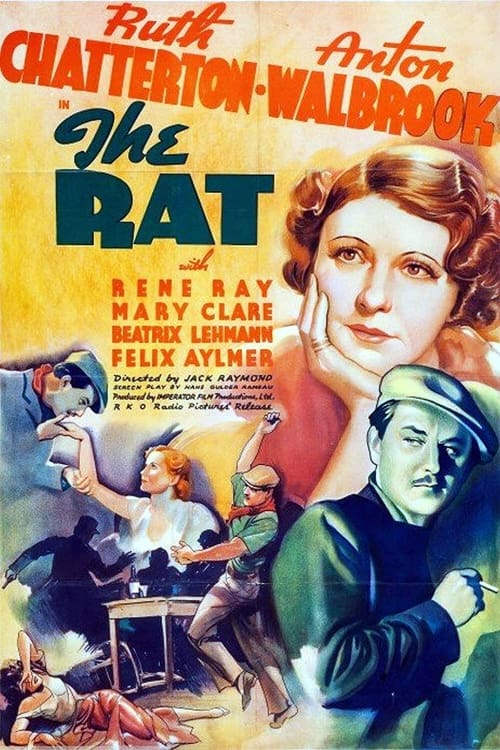
1937
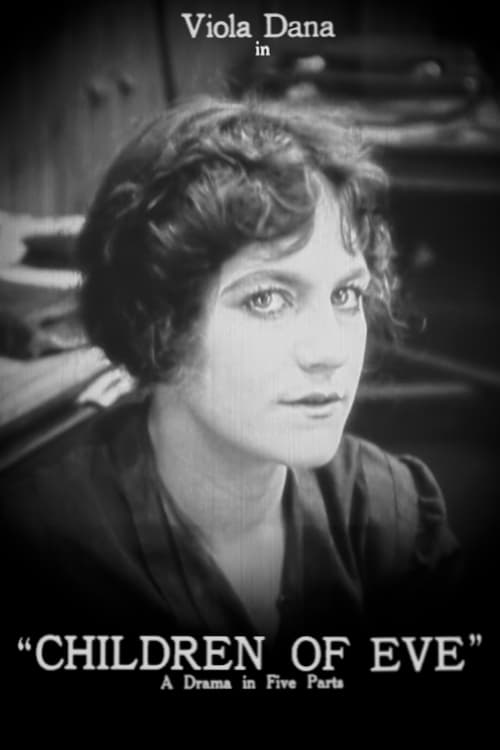
1915
No reviews yet. Be the first to share your thoughts on this movie!
Use the rating form above to leave a star rating and optional review.