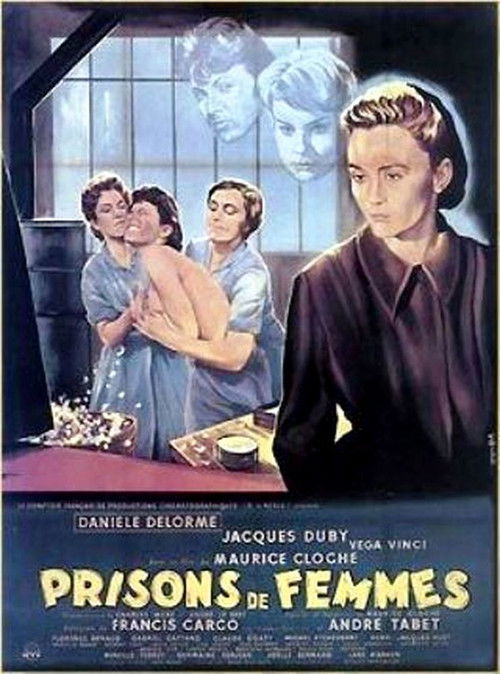
Women's Prison
1958
No user ratings available yet
Representation score: 5.6 out of 10
Representation Score
Limited
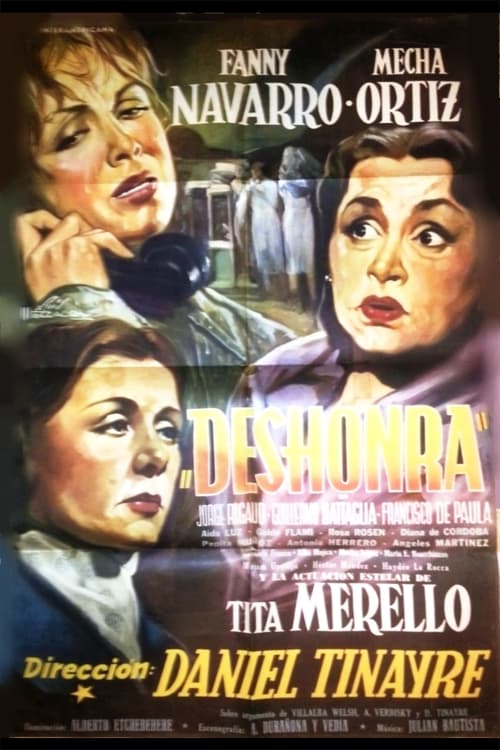
1952
Director
Daniel Tinayre
Runtime
91 minutes
Average Rating
No ratings yetNew Showbiz Analysis
Dishonor is a mid-century drama that explores institutional errors. It uses a classic wrongful accusation cliché to examine the vulnerability of individuals against state and judicial power. Though the film lacks modern markers of diversity, it offers a foundational critique of systemic power through its central character. The narrative tension arises from the conflict between a caregiver's social identity and the label of criminality. Ultimately, the film's impact depends on its portrayal of a professional woman navigating a flawed legal system, providing a critique of institutional infallibility.
Category Breakdown
The film does not include any characters with LGBTQ+ identities or same-sex relationships. It follows traditional social structures typical of 1952 Argentine cinema.
The narrative focuses on a female professional, a trained nurse, who actively resists being a passive victim. She struggles against systemic institutional trauma and injustice.
Specific details about the racial makeup of the cast are not available. The film likely reflects the demographic norms and homogeneous casting practices of mid-century South American society.
The story criticizes Western legal and carceral institutions by highlighting their capacity for error. It uses the protagonist's plight to express skepticism toward state authority.
There is no evidence of characters with physical or neurodivergent disabilities in the narrative.
Present on Screen
Limited or Absent
Official Synopsis
The woeful tale of a trained nurse falsely accused of murder and shipped off to prison for five years.
1958
1958

1963

1956
1929

1952

1930
1956
No reviews yet. Be the first to share your thoughts on this movie!
Use the rating form above to leave a star rating and optional review.