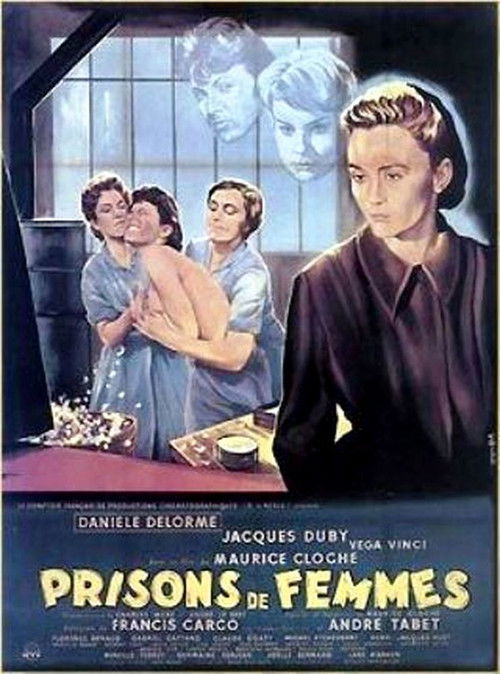
Women's Prison
1958
No user ratings available yet
Representation score: 5.6 out of 10

Representation Score
Minimal
1953
NRDirector
Gordon Parry
Runtime
89 minutes
Average Rating
No ratings yetNew Showbiz Analysis
Women of Twilight is a product of the 1950s studio system, prioritizing conventional dramatic structures over diverse representation. The plot relies on traditional clichés of the era, focusing on domesticity, pregnancy, and crime within a rigid social framework. While the boarding house setting provides a space for female-centric social dynamics, the narrative remains tied to male-driven catalysts. The film lacks any significant disruption of systemic norms or inclusion of diverse identities. Ultimately, the work adheres to the mid-century's emphasis on social order and traditional storytelling, offering limited cultural or racial breadth.
Category Breakdown
The film centers on a heterosexual relationship between a singer and his pregnant girlfriend, with no representation of LGBTQ+ identities or critiques of traditional social structures.
A female protagonist navigates a women's boarding house, providing a platform for female-centric storytelling. However, her role seems reactive to a male-driven murder plot and external conflicts.
The production reflects the homogeneous casting norms typical of 1953 crime dramas, with no indication of a diverse ensemble or non-Western casting.
Themes center on mid-century morality, crime, and domestic secrets. The narrative serves as a cautionary tale about social conduct and maintaining order.
The available narrative details do not mention any characters with visible or invisible disabilities.
Present on Screen
Limited or Absent
Official Synopsis
When a nightclub singer is arrested for murder, his pregnant girlfriend moves into a boarding house for women, but the mother-to-be soon discovers that her new lodgings harbors a horrific secret.
1958

1958

1949

1949
1953

1953
1950

1952
No reviews yet. Be the first to share your thoughts on this movie!
Use the rating form above to leave a star rating and optional review.