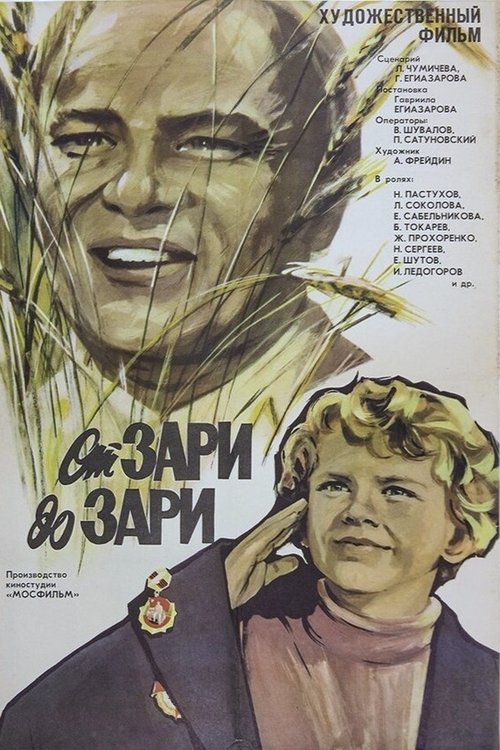
From Dawn Till Sunset
1976
No user ratings available yet
Representation score: 2.8 out of 10

Representation Score
Limited
1957
Director
Yakov Segel, Lev Kulidzhanov
Runtime
95 minutes
Average Rating
No ratings yetNew Showbiz Analysis
The film provides a deep exploration of collective identity, focusing on the interactions and connections within a Moscow communal apartment. It effectively contrasts the Western ideal of the isolated nuclear family with a complex social structure centered around shared experiences. The narrative highlights systemic ties and mutual struggles, especially as the characters confront the onset of war and re-evaluate their values and relationships. Ultimately, the film's strength lies in its emphasis on communal living over individual pursuits, offering a glimpse into the social realities of mid-20th century Soviet society.
Category Breakdown
The film does not include any representation of LGBTQ+ identities or same-sex relationships. It adheres to the traditional assumption that everyone is straight and cisgender, which was common in Soviet cinema of the time.
Women are shown managing the complexities of communal life and household duties. Although gender hierarchies are not explicitly challenged, the communal setting suggests a move towards shared domestic responsibilities.
The cast reflects the diverse ethnic makeup of the Soviet Union. Set in Moscow, the film showcases a range of ethnicities, representing the urban social reality of the era.
The film prioritizes collective living and social responsibility over the private, capitalist family unit. It aligns with state-sanctioned secularism by excluding religious institutions.
There is no documented evidence of the portrayal of physical or neurodivergent disabilities within the film.
Present on Screen
Limited or Absent
Official Synopsis
1935. Two families — Davydov's with three children and the newlyweds Lida and Dmitri Kashirin's — enter the new house on the outskirts of Moscow into a common communal apartment. The children grow up, and they and the adults around them are looking for their place in life, looking for answers to the questions of who to be and what to be, quarreling, making peace, building relationships, destroying them. Six years later, the peaceful lives of characters, with their joys and misfortunes, quarrels and reconciliations, and complex personal relationships, are blown up by a war that connects everyone at once, forcing them to see the meaning of their days, their attitudes to each other and their life values in a different way. For some of them, war is a fatal trait.
1976
1961
1965

1957
2023
1945
1959

1961
No reviews yet. Be the first to share your thoughts on this movie!
Use the rating form above to leave a star rating and optional review.