
A Separate Peace
1972
No user ratings available yet
Representation score: 5.2 out of 10
Representation Score
Limited
1966
Director
Mikhail Kalik
Runtime
82 minutes
Average Rating
No ratings yetNew Showbiz Analysis
Mikhail Kalik’s drama is a lyrical coming-of-age tale that prioritizes humanistic themes over social representation. It succeeds by challenging traditional wartime clichés, focusing on the loss of innocence and the conflict between individual autonomy and state mandates. However, the film remains traditional in its social structures. It lacks modern representations of LGBTQ+ identities and gender subversion, as the plot revolves around masculine rites of passage and heterosexual pursuits. Ultimately, the film's strength lies in its critical view of institutional power rather than its demographic diversity. It offers a complex perspective on systemic pressures during the Soviet 'Thaw' era.
Category Breakdown
The film focuses on the friendship among teenage boys and their pursuit of a single girl. There are no representations of LGBTQ+ identities or same-sex romantic relationships.
The story centers on the male experience of growing up and joining the military. Women are mostly shown as family members or love interests, playing passive roles in the boys' development.
The casting reflects the local demographics of the region. The film does not emphasize multi-layered racial diversity as a central theme.
The story explores the tension between personal desires and state obligations. It criticizes institutional authority by depicting how the military influences young people into service.
There are no prominent depictions of visible or invisible disabilities that drive the narrative or serve as central character traits.
Present on Screen
Limited or Absent
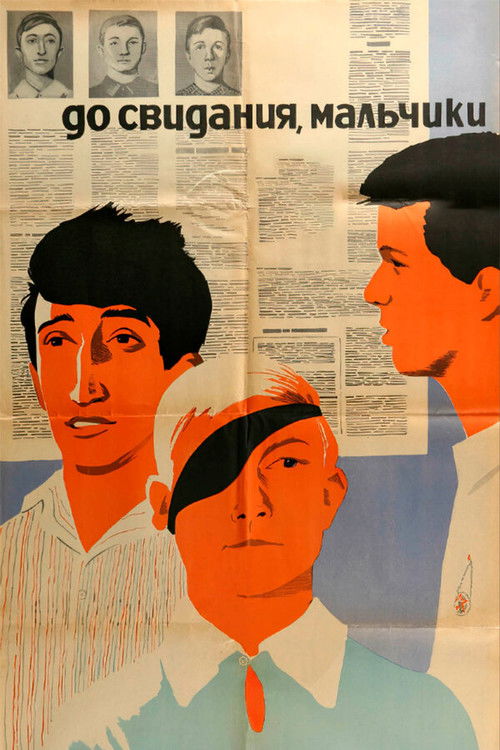
Official Synopsis
Goodbye, Boys! is the coming-of-age tale of three teenagers graduating from a Communist school during World War II. It's summer, and their main goals are swimming in the Black Sea and wooing the girl all three of them love. However, they are asked to become officers in the military, and slowly their worlds begin changing forever. Their parents oppose them, they begin fearing losing each other and their families, and the military tricks and maneuvers them into joining the army instead of the navy.
1972
1959

1969
1962

1973

1987

1987

1985
No reviews yet. Be the first to share your thoughts on this movie!
Use the rating form above to leave a star rating and optional review.