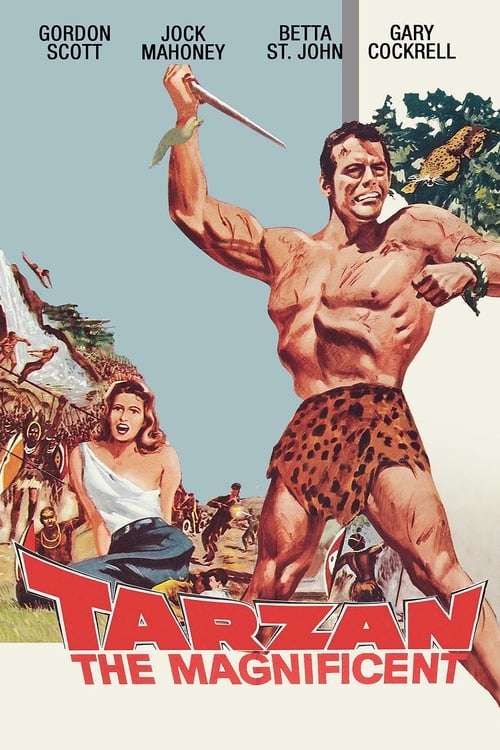
Tarzan the Magnificent
1960
No user ratings available yet
Representation score: 0.6 out of 10
Representation Score
Minimal
1962
ApprovedDirector
John Guillermin
Runtime
88 minutes
Average Rating
No ratings yetNew Showbiz Analysis
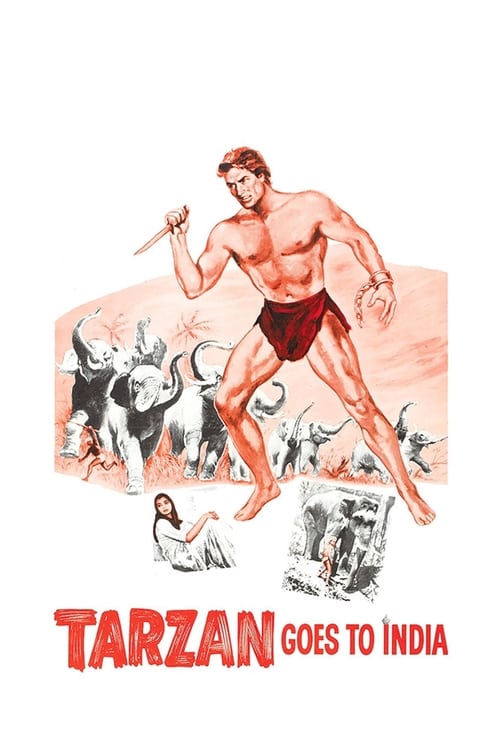
Tarzan Goes to India is a traditional adventure story that emphasizes physical action over addressing multiple aspects of identity. The film relies on established clichés of the Western hero, limiting its engagement with diverse identities. The story structure reinforces traditional hierarchies. While the setting is Indian, the narrative remains centered on a Western perspective, positioning the protagonist as the main force of change in a foreign environment. Overall, the film does not aim to challenge social or identity-based hierarchies. It presents a typical hero-versus-villain conflict without providing a systemic critique or meaningful representation of underrepresented groups.
Category Breakdown
The film does not include any LGBTQ+ characters or narratives. It follows traditional conventions without any queer subtext or challenges to the assumption that everyone is straight.
The story focuses on masculine characters, particularly Tarzan and his opponent. An Indian princess starts the plot, but she mainly serves as a catalyst rather than having her own independent role.
The narrative centers on a Western protagonist exploring a foreign land. Although local characters are featured, the power dynamics reflect a colonialist framework where the Western hero intervenes in local issues.
The film portrays the central conflict as a personal struggle between the hero and the villain. It does not deeply critique Western industrialism or challenge the dominance of Western culture.
There is no representation of disabilities, either visible or invisible. Characters are shown primarily based on their physical abilities needed for the adventure genre.
Present on Screen
Limited or Absent
Official Synopsis
Summoned by an Indian princess, Tarzan travels to India where hundreds of wild elephants are in danger. A company is building a hydroelectric dam and the contractors have only a few weeks to finish the job. The building of the dam will flood the valley surrounded by mountains. There is one pass through which the elephant herd can escape but that is being closed. Tarzan comes up against an old nemesis, Bryce, the chief engineer. Bryce undertook a similar dam project in Africa and had a penchant for shooting elephants. It's up to Tarzan to organize the move before Bryce manages to close the pass.
1960
1939
1953
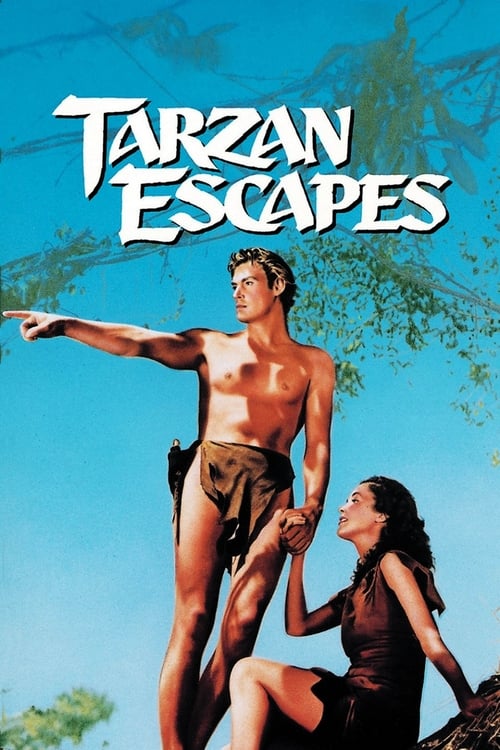
1936
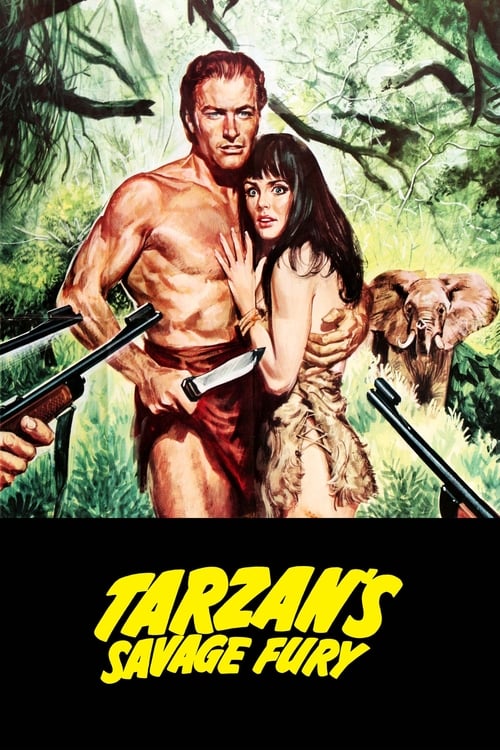
1952
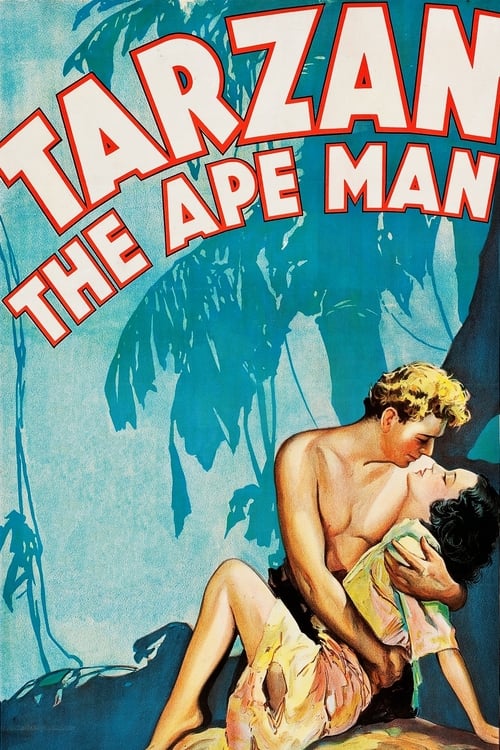
1932
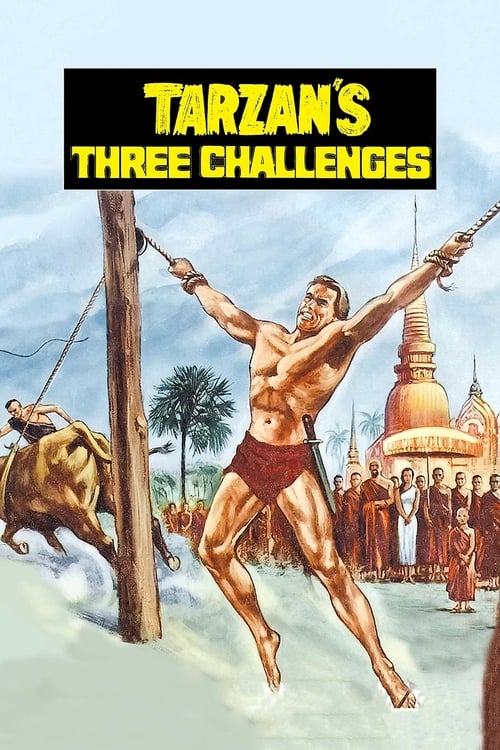
1963
1979
No reviews yet. Be the first to share your thoughts on this movie!
Use the rating form above to leave a star rating and optional review.