Los chicos
1959
No user ratings available yet
Diversity score: 3.8 out of 10
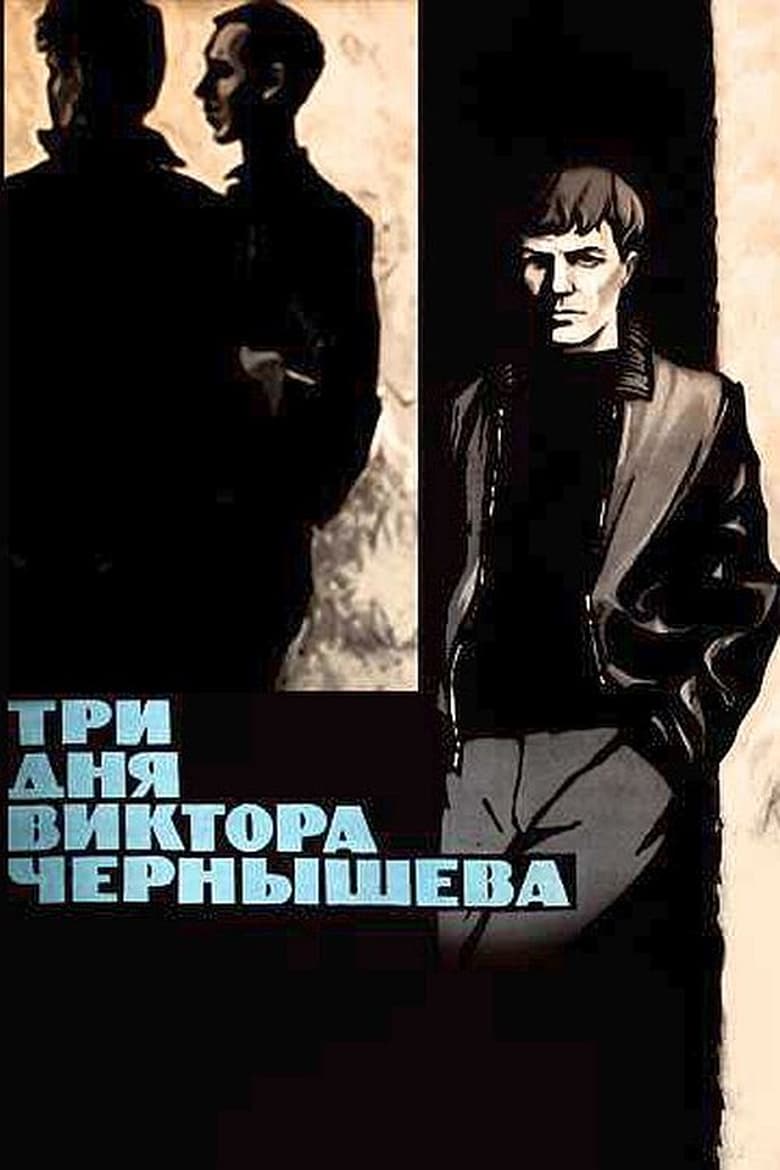
1968
Director
Mark Osepyan
Runtime
97 minutes
Average Rating
No ratings yetSynopsis
Mid 20th century. Industry is developing rapidly and the need for workers in factories is growing. After graduating from the tenth year, Viktor Chernyshyov, now a city dweller, did not bother to continue his education and went to the plant as a turner. He considered it quite normal that the guys enthusiastically listened to the stories of his peer Kolya, a lounger who boasted of victories over women, and participated in his dubious amusements. Only one of them, Pyotr — a real worker, a doctor, tried to reason with Kolya and the others.
Overall Score
Fair
Category Breakdown
LGBTQ+ Representation
The film centers on male peer dynamics and social competition. It lacks any explicit depiction of LGBTQ+ identities, focusing instead on heteronormative social posturing.
Gender Representation
The narrative is heavily male-centric, focusing on the moral development of male workers. Women appear primarily as objects of social conquest rather than independent agents.
Racial & Ethnic Diversity
The setting suggests a demographic homogeneity typical of mid-20th-century industrial environments. There is no evidence of diverse racial or ethnic casting in the provided details.
Religious & Cultural Diversity
The story explores the tension between individualistic pursuits and collective industrial duty. It operates within a specific mid-century socio-political framework rather than modern cultural critiques.
Disability Representation
There is no mention of characters possessing visible or invisible disabilities within the narrative.
Strengths
Areas for Improvement
AI Analysis
Three Days of Viktor Chernyshyov is a traditional social drama that prioritizes masculine social structures and industrial morality. The story follows a group of male workers, positioning their interpersonal conflicts and moral choices at the center of the film. The narrative architecture relies on conventional mid-century hierarchies. While it explores the friction between personal amusement and societal responsibility, it does so through a narrow lens of male peer dynamics. Ultimately, the film lacks significant representation for women or non-cisnormative identities, functioning as a period-specific study of industrial integration and character morality.
1959

1987
1969
1965
1966
1967
1993
1964

1962
1987
1966
1989
No reviews yet. Be the first to share your thoughts on this movie!
Use the rating form above to leave a star rating and optional review.