Bad Spelling
2004
No user ratings available yet
Diversity score: 3.6 out of 10
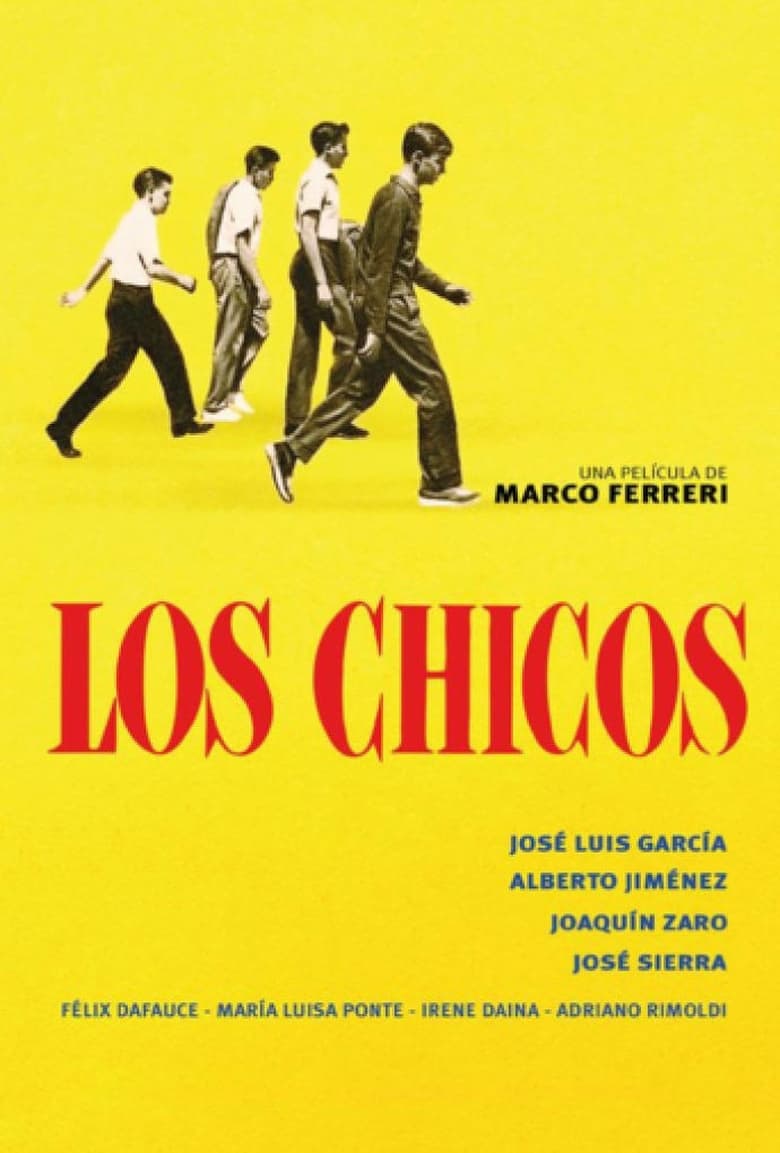
1959
Director
Marco Ferreri
Runtime
90 minutes
Average Rating
No ratings yetSynopsis
Four young men are cited in a kiosk during a rainy afternoon. One has to study and the other three go to the cinema, although they are not allowed to entry because their young age. The group consists of Andrés, who works as bellboy in a hotel and dreams of becoming a bullfighter; Chispa, who follows the orders of an old grumpy man; Carlos, a student; and Negro, a shy boy. All they want is to have fun; but reality forces them to confront the problems of the adult world.
Overall Score
Limited
Category Breakdown
LGBTQ+ Representation
The film lacks explicit evidence of LGBTQ+ characters or non-heteronormative identities. The narrative centers on a male peer group, which may reinforce a heteronormative social structure.
Gender Representation
The story is heavily centered on male camaraderie and the transition from adolescence to adulthood. A lack of female characters suggests a traditional, male-centric worldview.
Racial & Ethnic Diversity
The character 'Negro' hints at potential racial or ethnic distinction. However, it is unclear if this provides meaningful representation or relies on period-specific naming conventions.
Religious & Cultural Diversity
The film explores the tension between youthful desires and the rigid pressures of the adult world. It critiques social institutions and the economic necessity facing characters like Andrés.
Disability Representation
There is no evidence of characters with visible or invisible disabilities within the provided narrative context.
Strengths
Areas for Improvement
AI Analysis
Los chicos is a character study focused on the friction between individual aspirations and the systemic expectations of a structured society. The film explores how young men navigate the constraints of adulthood and economic necessity. While the film lacks explicit progressive identity markers or intersectional complexity, its focus on marginalized youth suggests a subtle interrogation of social norms. The narrative leans toward deconstructing traditional structures rather than celebrating them. Ultimately, the work is limited by the social constraints of its era, resulting in a narrow demographic focus that lacks significant gender or LGBTQ+ diversity.
2004

1956

2007

1951
1967

2013
1957

2004

1990

2001

2005

1965
No reviews yet. Be the first to share your thoughts on this movie!
Use the rating form above to leave a star rating and optional review.