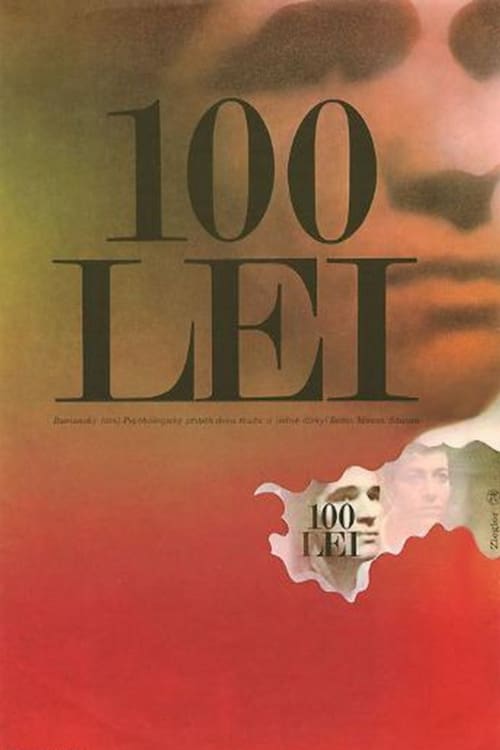
The Hundred Lei Bill
1973
No user ratings available yet
Diversity score: 3.7 out of 10

1966
Director
Mircea Săucan
Runtime
91 minutes
Average Rating
No ratings yetSynopsis
Petru and Constantin, former faculty mates, have different views concerning their lives and professions; while the former has a bright imagination, is very creative and daring, the latter is looking only for personal comfort and material satisfaction. They contend for the same woman – but even if she loves Petru, she marries Constantin for his material condition. Though he finds in Constantin an adversary who does not hesitate to remove him, Petru will surpass him professionally.
Overall Score
Limited
Category Breakdown
LGBTQ+ Representation
The film focuses on a traditional romantic rivalry between two men for a single woman. There is no evidence of non-cisnormative identities or narratives that critique heteronormativity.
Gender Representation
Female agency is constrained by socioeconomic pressures, as the lead chooses marriage for stability over romance. While this reflects systemic economic realities, the primary plot agency remains with the male protagonists.
Racial & Ethnic Diversity
The film reflects a culturally homogeneous 1966 Romanian setting. The narrative prioritizes class and intellectual distinctions over ethnic or racial intersectionality.
Religious & Cultural Diversity
The story critiques materialism by contrasting creative idealism with the pursuit of personal comfort. This provides a subtle tension between intellectual fulfillment and materialist pursuits.
Disability Representation
There is no documented evidence of characters with visible or invisible disabilities being integrated into the narrative arc.
Strengths
Areas for Improvement
AI Analysis
Meanders is a character-driven drama that prioritizes the ethical conflict between creative idealism and material pragmatism. The narrative centers on the rivalry between Petru and Constantin, using their divergent philosophies to explore professional and romantic competition. While the film lacks modern intersectional representation, it offers a nuanced look at how socioeconomic status influences personal agency. The tension between intellectual merit and material acquisition provides a layer of thematic complexity beyond simple character archetypes. Ultimately, the film functions as a period-specific study of individual ethics. It remains rooted in traditional demographic compositions, focusing on class-based motivations rather than diverse identity politics.
1973

1968

1956

1981

1979

1969

1976

1957

1961

1951

1957

1963
No reviews yet. Be the first to share your thoughts on this movie!
Use the rating form above to leave a star rating and optional review.