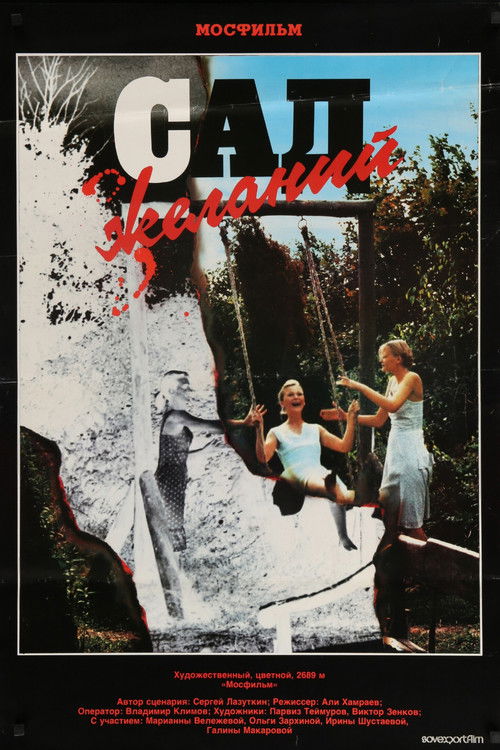
The Garden of Desires
1987
No user ratings available yet
Representation score: 4.0 out of 10
Representation Score
Limited
1987
Director
Yuriy Kara
Runtime
89 minutes
Average Rating
No ratings yetNew Showbiz Analysis
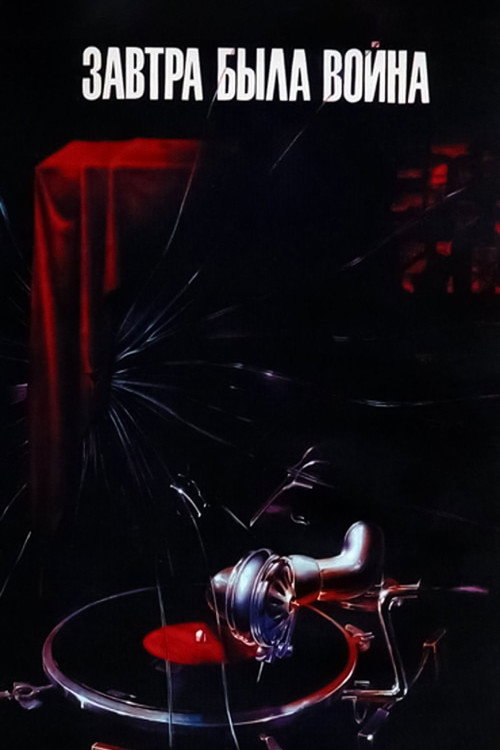
Tomorrow Was the War is a period drama that prioritizes historical realism and the psychological weight of political upheaval over modern characters who reflect more than one aspect of diversity. The narrative focuses on the friction between institutional ideology and individual conscience during the pre-war Soviet era. The film's scope is narrow, reflecting the demographic and social homogeneity of its 1940 setting. It functions as a study of systemic pressure rather than a platform for diverse social identities. Ultimately, the work values the depiction of political fragility and the burden of loyalty, operating within the historical traditions of late-Soviet cinema.
Category Breakdown
The film does not include any characters who identify as LGBTQ+. The 1940 Soviet setting emphasizes traditional social structures and the influence of the Komsomol.
The student cast is balanced, but female characters often have their ability to act defined by collective duties and wartime mobilization. The narrative centers on a rigid, patriarchal state structure.
Casting reflects the demographic homogeneity of a 1940 provincial Soviet town. The film focuses on a culturally specific, largely homogeneous Soviet identity.
The story explores the tension between official state morality and personal beliefs. It portrays the Soviet institution as a source of trauma rather than a purely benevolent force.
There is no visible evidence of characters with physical or neurodivergent disabilities.
Present on Screen
Limited or Absent
Official Synopsis
This movie is based on a novel by Boris Vasiliev and describes life in a small Russian provincial town in 1940 - one year before Germany invaded the Soviet Union. The main characters of the film are ordinary Soviet high school students. They study in the Soviet school, try to be correct and ideological Komsomol activists. But not always the “correctness” suggested by the teachers coincides with the inner convictions of young souls - it is difficult for them to come to terms with the fact that their relatives and loved ones are suddenly “enemies of the people”.
1987

1994
1956
2018
1990
1965
1969
1985
No reviews yet. Be the first to share your thoughts on this movie!
Use the rating form above to leave a star rating and optional review.