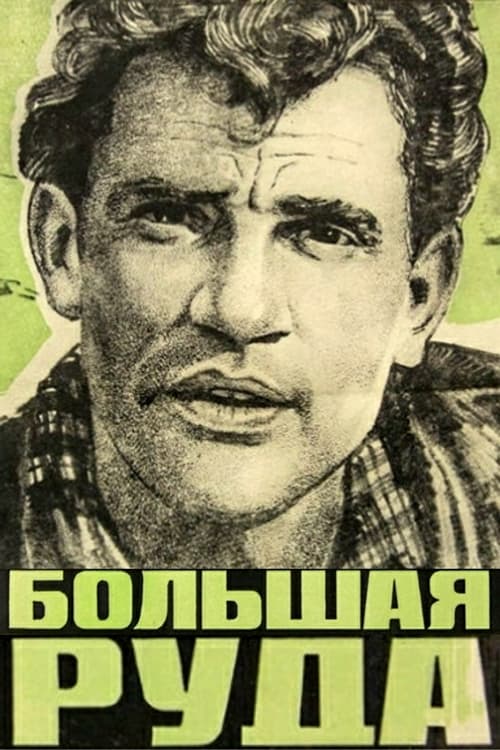
The Big Ore
1964
No user ratings available yet
Representation score: 1.9 out of 10
Representation Score
Limited
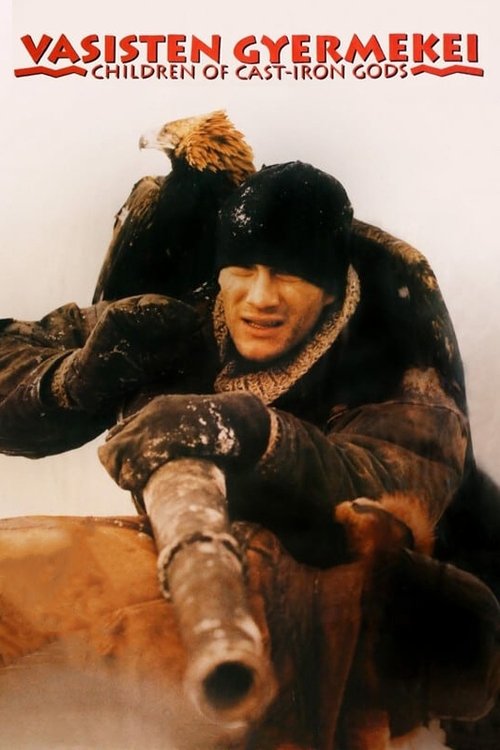
1993
Director
Tamás Tóth
Runtime
80 minutes
Average Rating
No ratings yetNew Showbiz Analysis
The film is a gritty industrial drama that prioritizes social realism over diverse storytelling. It focuses on the tension between individual ability to act and oppressive systemic environments in the Ural Mountains. While the film lacks representation for LGBTQ+ and disabled characters, it excels in its cultural critique. It challenges traditional economic structures by depicting industrial institutions as dehumanizing and corrupt. The narrative relies heavily on traditional masculine archetypes and regional ethnic presence, though it lacks depth in character development for the indigenous populations mentioned.
Category Breakdown
The film does not include any LGBTQ+ characters or non-cisgender identities. The story focuses solely on industrial labor and physical competition.
The story centers on Ignat, a male metal worker, emphasizing traditional masculine roles. Character dynamics highlight physical prowess and endurance.
The Ural Mountains setting includes the Bashkiri tribe, providing a multi-ethnic backdrop. However, the narrative does not delve deeply into the experiences of these indigenous groups.
The film critiques industrial progress by portraying the plant as a dehumanizing environment. It explores moral relativism through the community's ritualized violence and theft.
There is no mention of characters with visible or invisible disabilities within the narrative.
Present on Screen
Limited or Absent
Official Synopsis
The films hero is a metal worker named Ignat who is as strong and tough as the steel that his sprawling factory produces in the Ural Mountains. Its a great cheerless environment; life is arduous and dangerous; conditions at the plant are nearly subhuman. The only excitement in the grimy industrial town is provided by robbing a train at gunpoint or stealing sheep from the Bashkiri tribe. The most renowned diversion, however, is the annual fist fight between the strongest metal worker and the strongest miner from the region. Against his better judgment, but with the support of his co-workers, Ignat decides to take part in this perilous venture.
1964
1925
1988
1963

1961
1987
1987
1954
No reviews yet. Be the first to share your thoughts on this movie!
Use the rating form above to leave a star rating and optional review.