Confidence
1980
No user ratings available yet
Diversity score: 3.5 out of 10
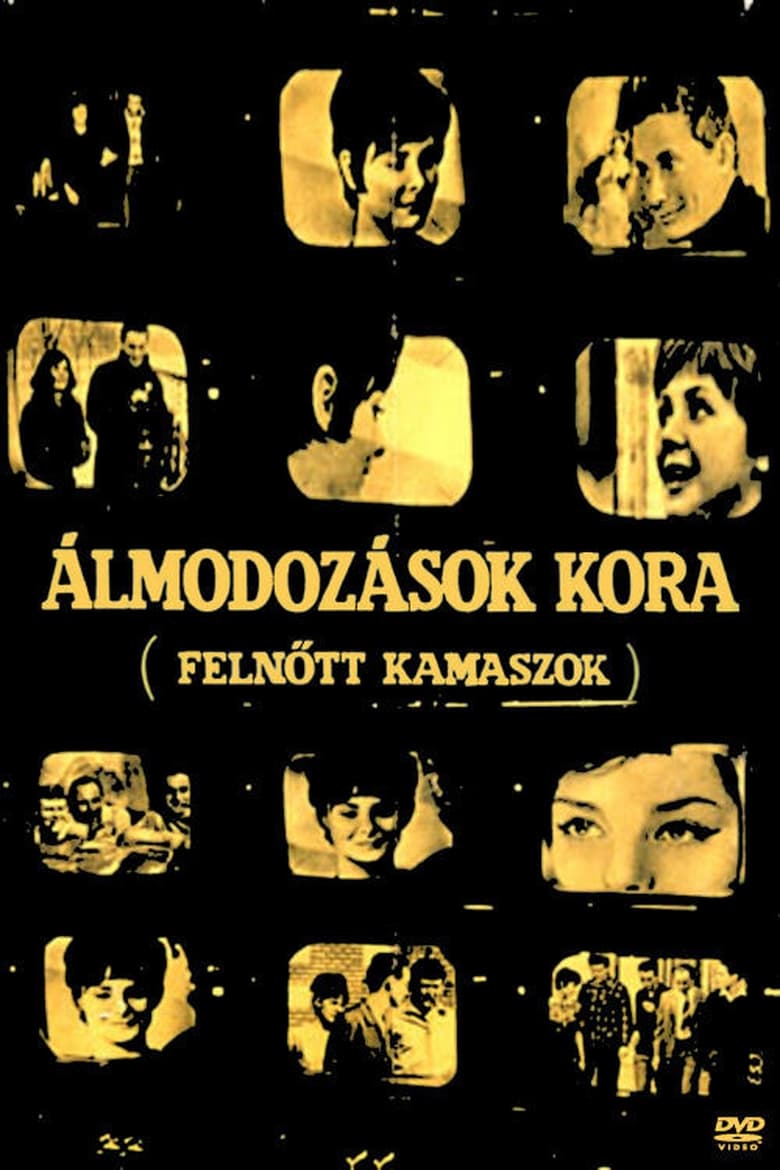
1965
Director
István Szabó
Runtime
95 minutes
Average Rating
No ratings yetSynopsis
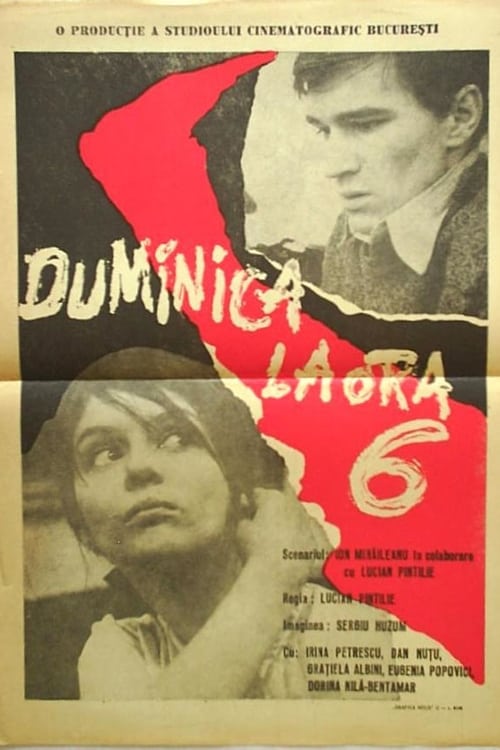
Jancsi is part of a closely knit gang of young engineers. They see the older engineers as mediocre, and have grand ideas about developing new inventions together. With changing living conditions the five friends start to grow apart. At a party Jancsi suddenly meets Éva Halk. They fall in love, and find common memories in the engagement in The Pioneer Railway at the age of 12.
Overall Score
Fair
Category Breakdown
LGBTQ+ Representation
The story centers on a romantic connection between Jancsi and Éva Halk. There is no explicit evidence of non-heteronormative identities or active subversion of traditional romantic archetypes.
Gender Representation
Éva Halk provides significant emotional agency, acting as a catalyst for the protagonist's memory and internal shifts. However, the roles of women within the engineering collective are not clearly defined.
Racial & Ethnic Diversity
The film reflects the demographic homogeneity typical of mid-1960s Hungarian cinema. It presents a traditional cultural setting without evidence of diverse racial or ethnic ensembles.
Religious & Cultural Diversity
The narrative challenges established hierarchies by depicting youth who view older generations as mediocre. It explores the fragmentation of social cohesion and the shifting nature of societal progress.
Disability Representation
The narrative contains no mention of characters with visible or invisible disabilities.
Strengths
Areas for Improvement
AI Analysis
István Szabó’s drama focuses on the transition from youthful idealism to individualistic divergence. The film explores how changing social conditions erode the collective unity of a group of young engineers. While the film lacks overt intersectional representation, it offers a sophisticated look at generational shifts. It deconstructs mid-century social norms by questioning the authority of established institutions and the stability of traditional social units. The work functions as a character study of individual agency amidst systemic change, prioritizing the psychological evolution of its protagonists over broad demographic variety.
1980
1977
1992
1978

1956

1968

1970
1965

2005

2001
2012

2014
No reviews yet. Be the first to share your thoughts on this movie!
Use the rating form above to leave a star rating and optional review.