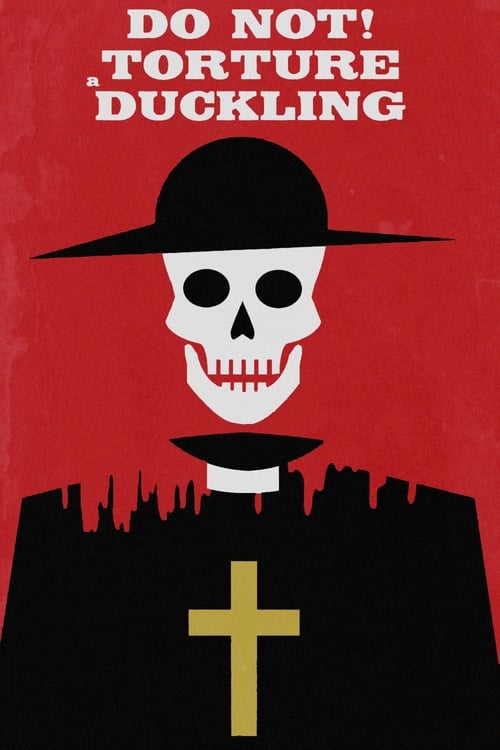
Don't Torture a Duckling
1972
No user ratings available yet
Diversity score: 3.5 out of 10
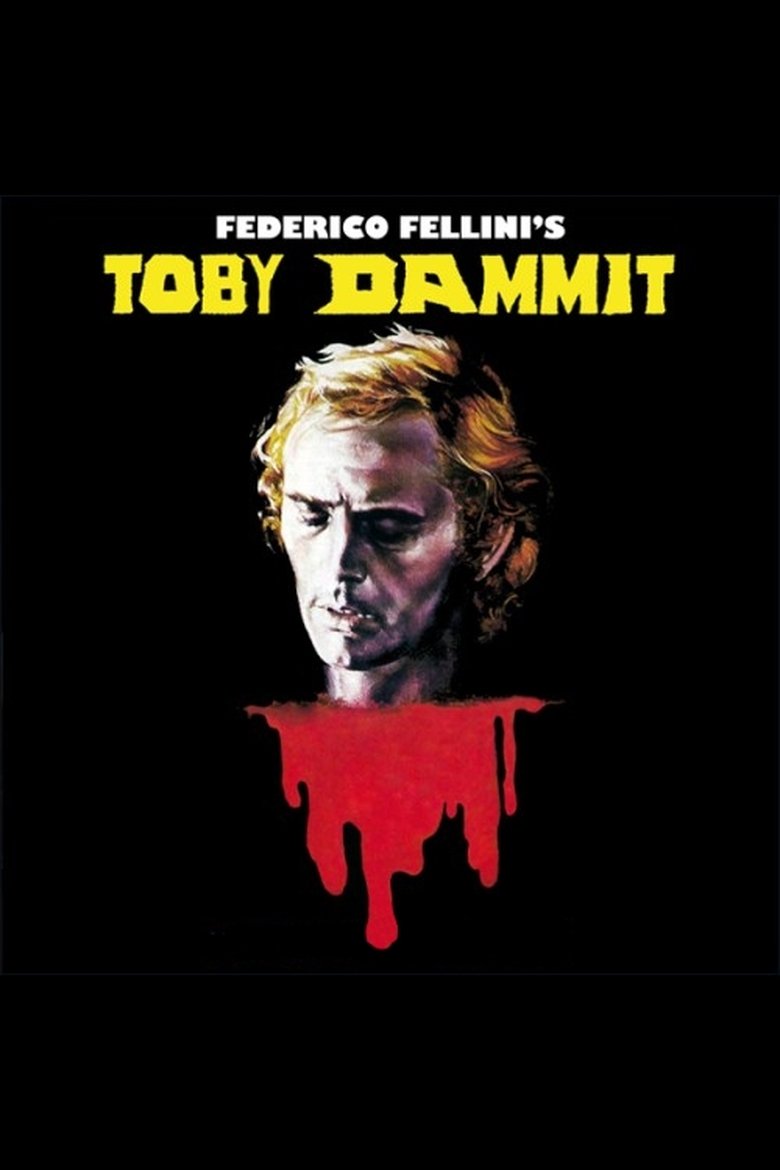
1969
Runtime
43 minutes
Average Rating
No ratings yetSynopsis
During a trip to Rome, a debauched Shakespearian actor is tormented by fans, the press, the Italian film industry and the Devil - who appears as a little girl seeking to collect his head.
Overall Score
Limited
Category Breakdown
LGBTQ+ Representation
The film offers no evidence of non-cisnormative identities or same-sex intimacy. It functions as a claustrophobic study of a single male protagonist's psychological collapse.
Gender Representation
The narrative is heavily male-centric, focusing almost entirely on the protagonist's descent into madness. Female characters lack agency and are largely sidelined by the male gaze.
Racial & Ethnic Diversity
Set in a mid-century European urban environment, the cast is predominantly white. There is no evidence of intentional intersectional casting or non-white characters driving the plot.
Religious & Cultural Diversity
The film critiques social decorum by portraying manic, anti-social behavior through a surrealist lens. It uses media and circus spectacles to challenge stable, rational social institutions.
Disability Representation
Psychological instability drives the plot, but mental health is treated as a stylistic device for horror. It leans into the 'madness as spectacle' trope rather than nuanced exploration.
Strengths
Areas for Improvement
AI Analysis
Federico Fellini’s work prioritizes surrealist disruption over social representation. The film succeeds in deconstructing traditional narrative cohesion and social stability, favoring a fragmented, postmodern reality. However, the film is limited by its narrow demographic focus. It centers on a singular male experience, leaving little room for intersectional identities or diverse perspectives. Ultimately, the work is a psychological study that uses neurodivergence and social chaos as aesthetic tools rather than exploring lived experiences of marginalized groups.
1972
1989

1985
1972
1975
1972
1979
1980
1974

1966
1977
1974
No reviews yet. Be the first to share your thoughts on this movie!
Use the rating form above to leave a star rating and optional review.