The Night Child
1975
No user ratings available yet
Diversity score: 2.2 out of 10
1972
NRDirector
Giorgio Ferroni
Runtime
89 minutes
Average Rating
No ratings yetSynopsis
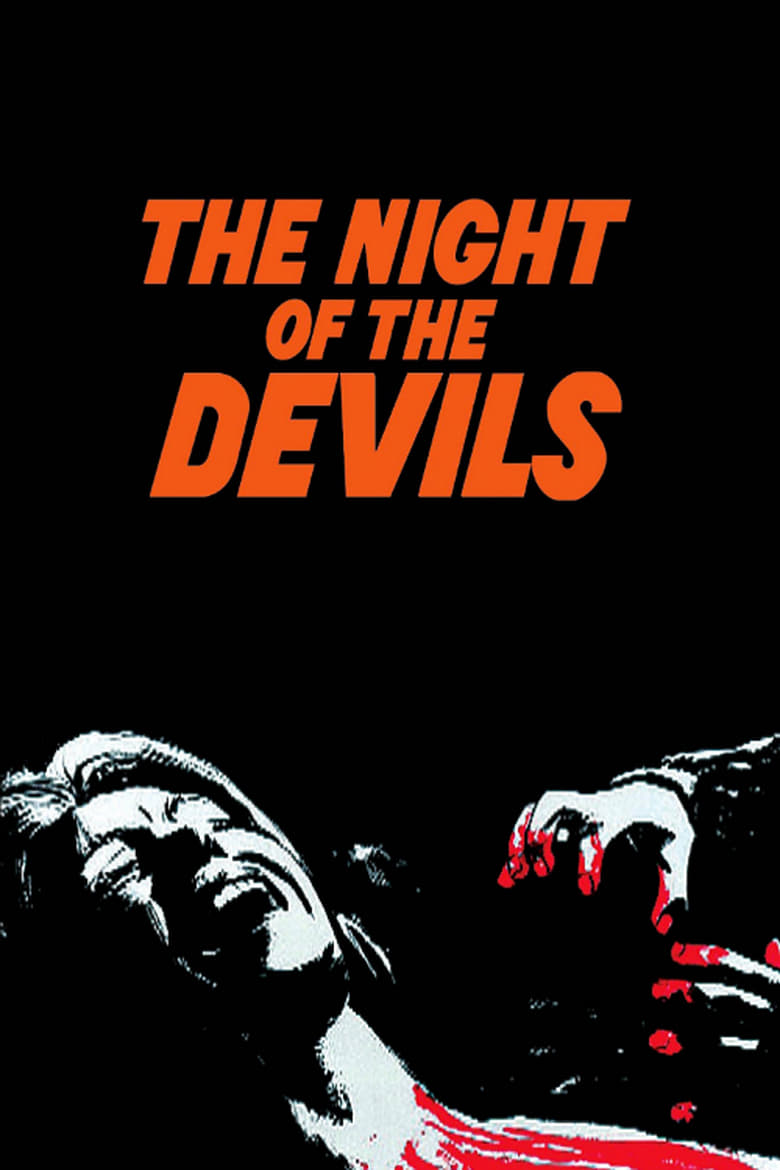
In this adaptation of Tolstoy's story the Wurdulak, a mentally ill patient known as Nicola flashes back to horrifying experiences that he encountered while driving through the country. Upon damaging his car, Nicola sets out for help, only to meet a mysterious family that lives in total fear of someone or something. This evil force slowly penetrates the household and thrusts each of its members into a frenzy of absolute terror.
Overall Score
Limited
Category Breakdown
LGBTQ+ Representation
The film focuses on a traditionalist family unit and a protagonist in psychological distress. It lacks any representation of non-cisnormative identities, adhering to the heteronormative structures typical of 1970s European horror.
Gender Representation
Female characters primarily function as subjects of terror or victims of supernatural forces. The narrative follows conventional gendered archetypes without subverting established power dynamics or hierarchies.
Racial & Ethnic Diversity
The cast is predominantly homogeneous, reflecting the localized setting of the story. There is no evidence of efforts to disrupt the European-centric norms of the era.
Religious & Cultural Diversity
The film explores isolation and the breakdown of social order within a secluded community. It uses an evil force as a genre device rather than a critique of religion or systemic power.
Disability Representation
The protagonist, Nicola, is a mentally ill patient whose condition drives the psychological tension. While he possesses narrative agency through his flashbacks, his mental state is heavily tied to Gothic instability.
Strengths
Areas for Improvement
AI Analysis
The Night of the Devils is a period-specific Gothic horror that prioritizes atmospheric dread over social deconstruction. It operates within the established tropes of its era, focusing on a closed, homogeneous environment that reinforces traditional hierarchies rather than challenging them. While the film provides a window into the subjective experience of a mentally ill protagonist, this characterization remains deeply embedded in genre-driven psychological instability. The narrative lacks intersectional depth, offering little in the way of diverse identities or systemic critique. Ultimately, the film serves as a classic example of 1970s genre cinema, where the primary objective is suspense and terror within a conventional social framework.
1975
1980
1972
1979
1983
1974
1980
1971
1989
1981
1983
1974
No reviews yet. Be the first to share your thoughts on this movie!
Use the rating form above to leave a star rating and optional review.