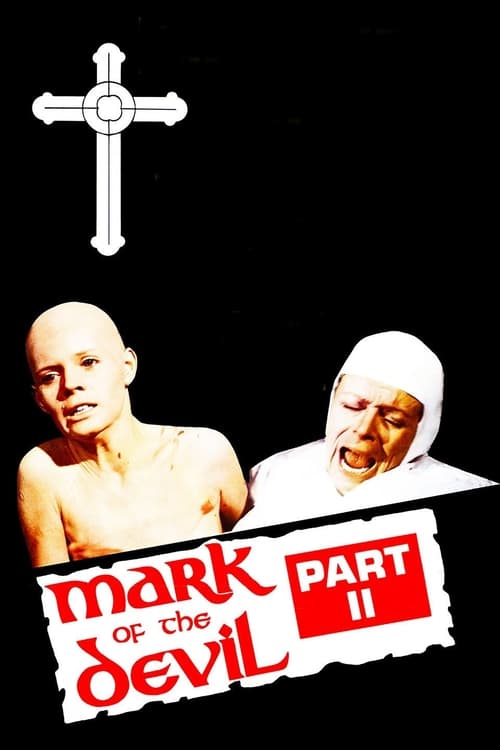
Mark of the Devil Part II
1973
No user ratings available yet
Representation score: 4.8 out of 10
Representation Score
Fair
1977
Director
Paul Naschy
Runtime
90 minutes
Average Rating
No ratings yetNew Showbiz Analysis
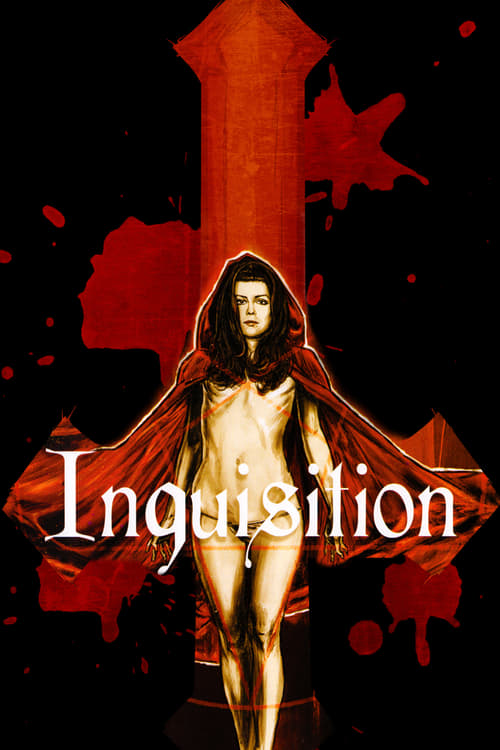
Inquisition is a period horror film that operates within the narrow demographic constraints of its 1977 production and 16th-century Spanish setting. It lacks LGBTQ+ and racial diversity, presenting a largely homogeneous cast typical of its era and historical context. However, the film excels in its cultural critique. It deconstructs the moral authority of the Catholic Church by framing the Inquisition as a corrupt, destructive force. This challenges the standard genre clichés and provides a layer of intellectual depth. While gender representation is limited by patriarchal themes, the central female character provides a rare moment of control. She acts as a strategic manipulator rather than a passive victim, challenging the traditional hierarchies of her time.
Category Breakdown
The film does not include any queer narratives or characters with non-straight identities. The story focuses on the traditional romantic tension between the witch-finder and the village beauty.
Women in the film are often victims of patriarchal violence and the male gaze. However, the female lead subverts the submissive maiden cliché by making a pact with the devil to gain control over her situation.
The cast is ethnically uniform, reflecting the historical setting of 16th-century Spain. There is no indication of diverse ethnic blending or race-bent casting.
The film provides a sharp critique of religious institutions, portraying the Inquisition as a source of systemic cruelty. It frames the devilish pact as a form of resistance against oppression.
There is no significant focus on neurodivergence or physical disability. Psychological distress is present but framed through religious hysteria rather than nuanced representation of disability.
Present on Screen
Limited or Absent
Official Synopsis
Period piece set during the Inquisition about a witch-finder general who falls in love with the village beauty, who has made a pact with the devil to seduce and condemn the man who is killing off Satan's servants.
1973
1960
1972
1961
1977
1971
1968
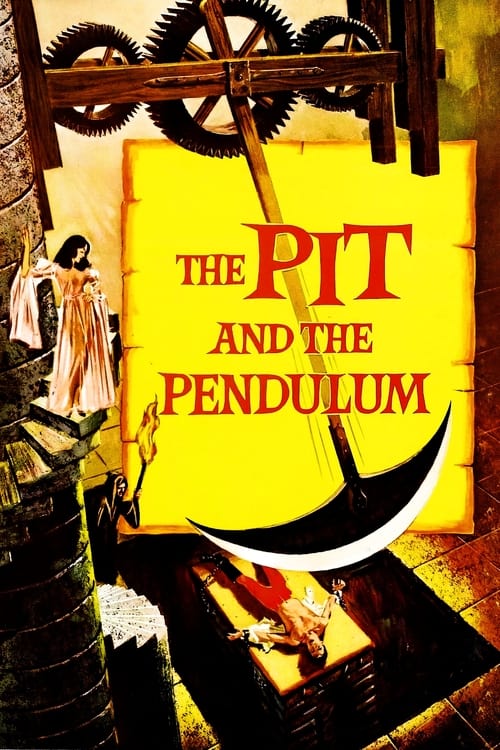
1961
No reviews yet. Be the first to share your thoughts on this movie!
Use the rating form above to leave a star rating and optional review.